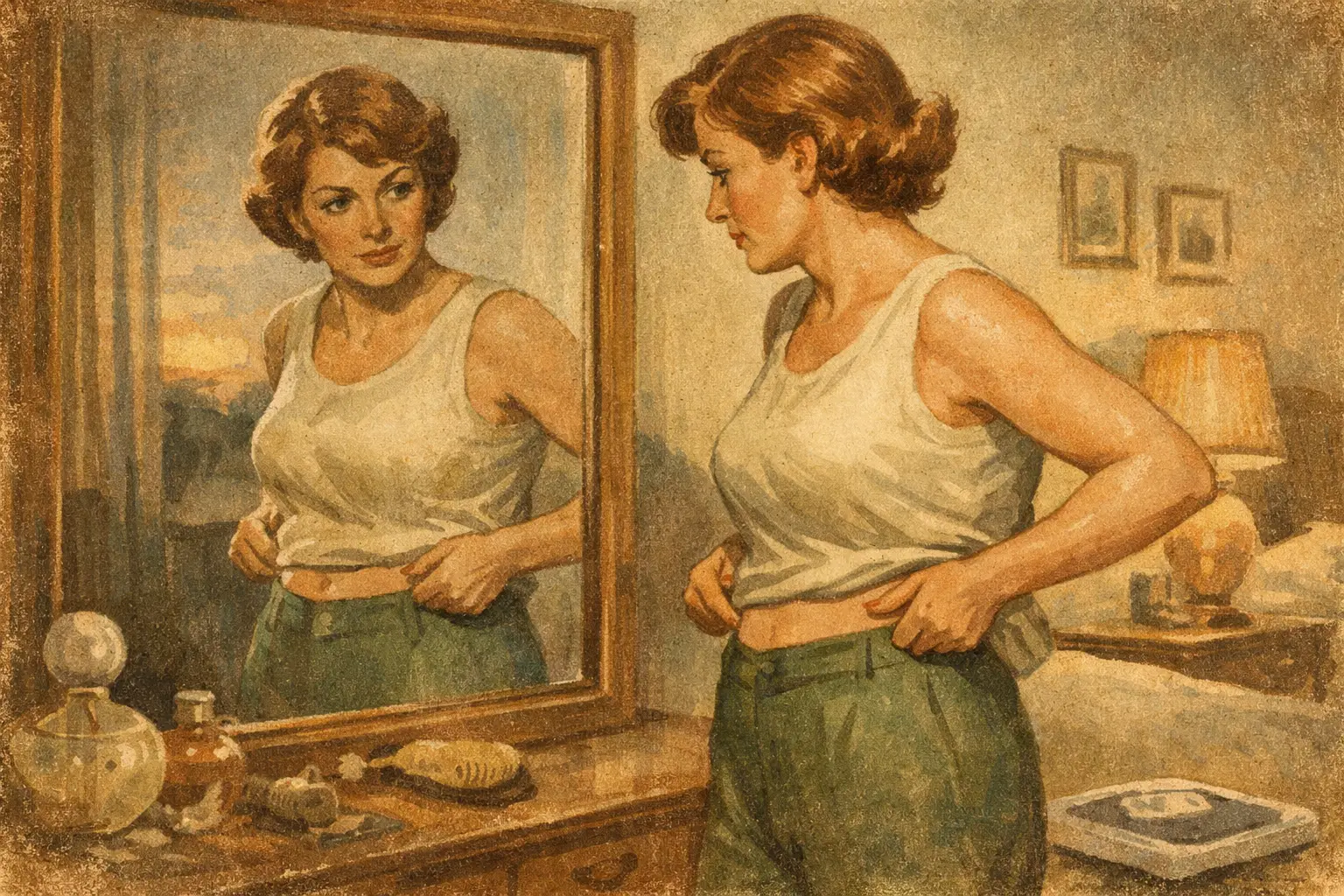
You wake up, get dressed, and suddenly the waistband that used to sit comfortably now feels snug. The scale may not have changed much, but your middle has. If you have been asking, why is my waist getting thicker, especially after 45, you are not imagining it and you are not failing. Midlife changes are real, and they affect where your body stores fat, how you handle carbs, how hungry you feel, and how easily inflammation can creep in.
This is one of the most frustrating parts of perimenopause and menopause because the old advice often stops working. Eating less, doing more cardio, and trying to be “good” all week can still leave you with a thicker waistline. That is not a character flaw. It is usually a sign that your body needs a different kind of support.
Why is my waist getting thicker in midlife?
A thicker waist in your 40s, 50s, and beyond often comes down to a mix of hormonal shifts, insulin resistance, stress, sleep disruption, muscle loss, and inflammation. For many women, it is not just about gaining weight. It is about gaining it in a different place.
As estrogen changes, your body becomes more likely to store fat around the abdomen instead of the hips and thighs. At the same time, progesterone shifts can affect water retention and bloating, which can make your waist feel larger even before true fat gain is obvious. Add in elevated cortisol from chronic stress and poor sleep, and the midsection often takes the hit.
This is why a woman can say, “I am eating pretty healthy, so why is my waist getting thicker?” and still be dealing with a very real metabolic issue. Healthy eating matters, but midlife bodies often need more blood sugar stability and more protein than they used to.
The most common reasons your waist is getting thicker
Hormonal shifts change fat storage
As estrogen declines and fluctuates, fat distribution tends to move toward the abdomen. This is one of the hallmark body changes of menopause. It does not happen to everyone the same way, but it is common.
This is also why your body may feel less predictable than it used to. You might notice more belly softness, more bloating, or a firmer midsection even if your habits have not changed much.
Blood sugar swings and insulin resistance
This is a big one, and it gets missed all the time. You may not be overeating, but if your meals are heavy on refined carbs, light on protein, or leave you hungry two hours later, your blood sugar may be swinging more than you realize.
Over time, frequent blood sugar spikes can increase insulin demand. Higher insulin levels make it easier to store fat, especially around the waist. Midlife women are often more insulin resistant than they were in their 20s and 30s, which means the same breakfast or snack that once felt fine may now work against them.
A bowl of cereal, toast and fruit, or a low-fat granola bar may sound healthy, but if it does not keep blood sugar steady, it can feed the exact problem you are trying to solve.
Loss of muscle with age
Muscle is metabolically active tissue, and we naturally lose some of it with age if we are not actively working to keep it. Less muscle can mean a slower metabolic rate, poorer glucose handling, and a softer body composition.
That means you could weigh the same as you did years ago and still have a thicker waist. The issue is not always total body weight. Sometimes it is a shift in how much of that weight is muscle versus fat.
Chronic stress raises cortisol
If you are juggling work, aging parents, grown kids, relationship stress, sleep issues, and a body that suddenly feels unfamiliar, your nervous system may be under more pressure than ever. Chronic stress can raise cortisol, and elevated cortisol is strongly linked to abdominal fat storage.
Stress can also drive cravings, worsen sleep, increase inflammation, and make it harder to recover from exercise. So yes, the stress itself matters, but so do the downstream effects.
Poor sleep changes hunger and metabolism
Sleep problems become more common in midlife, especially during perimenopause. Hot flashes, anxiety, frequent waking, and lighter sleep can all interfere with metabolic health.
When you are not sleeping well, hunger hormones can get thrown off. You may crave more sugar, feel less satisfied after meals, and have a harder time making steady choices. Poor sleep also makes insulin resistance worse, which can show up right at the waist.
Bloating and digestive changes
Not every thicker waist is body fat. Sometimes it is bloating, constipation, food sensitivities, or digestive slowdown. If your waist changes throughout the day, feels tighter after certain meals, or seems puffy rather than steadily larger, digestion may be part of the picture.
This is where it depends. Some women are dealing with true abdominal fat gain. Others are dealing with inflammation and bloat. Many have some of both.
What does not help when your waist is getting thicker
This is where diet culture has done a lot of damage. If your waist is thickening in midlife, slashing calories, skipping meals, and living on salads can backfire.
Undereating can increase stress on the body, make cravings worse, and leave you without enough protein to maintain muscle. Too much cardio without strength work can also work against you, especially if it increases appetite and stress while doing little to preserve lean mass.
Low-fat eating can be another trap. Many women spent decades being told fat was the problem, so they built meals around crackers, fruit, cereal, yogurt, and “light” foods. The problem is that many of those meals are not satisfying and do not support blood sugar balance.
What helps slim a thickening waistline
Build meals around protein first
One of the most effective ways to support a healthier waistline is to eat enough protein consistently. Protein helps maintain muscle, improves satiety, and can reduce the blood sugar roller coaster that drives fat storage and cravings.
Think eggs with sautéed vegetables, Greek yogurt with chia and berries, chicken with roasted vegetables, salmon with a hearty salad, or cottage cheese alongside fruit and nuts. The goal is not perfection. It is making sure your meals do more than just look healthy.
Pair carbs instead of eating them alone
You do not have to fear carbs, but you do need to be smarter with them in midlife. Carbs tend to work better when they come with protein, fiber, and healthy fat.
That means an apple with almond butter instead of just fruit, oatmeal with protein added instead of plain oats, or rice with chicken and vegetables instead of a carb-heavy bowl with little staying power. This approach helps keep insulin response more manageable.
Strength train regularly
If your waist is getting thicker, preserving muscle needs to move up your priority list. Strength training helps improve insulin sensitivity, supports metabolism, and changes body composition in a way that endless cardio often does not.
You do not need punishing workouts. Two to four sessions a week with resistance bands, weights, or bodyweight can make a real difference over time.
Support sleep like it matters, because it does
A consistent bedtime, less late-night snacking, a darker bedroom, and reducing caffeine later in the day may sound basic, but basics are powerful when they are missing. If sleep has become a struggle, it deserves attention, not dismissal.
A body that is exhausted will often hold onto weight more easily. That is not laziness. That is biology.
Lower the stress load where you can
You may not be able to remove every source of stress, but you can reduce how much pressure your body carries each day. A short walk after meals, deep breathing before eating, saying no more often, and protecting recovery time all count.
This is not about being zen all day. It is about helping your body feel a little safer and less inflamed.
When to look deeper
If your waist is getting thicker quickly, or you are noticing fatigue, hair changes, digestive issues, rising blood sugar, or other new symptoms, it may be worth looking deeper with your healthcare provider. Thyroid issues, worsening insulin resistance, medication side effects, and significant hormonal changes can all play a role.
You do not need to panic, but you also do not need to brush it off as “just aging.” Midlife weight changes are common, but common does not mean you have to ignore them.
If you have been wondering why is my waist getting thicker, let this be the reframe: your body is asking for a different strategy, not harsher discipline. Start with steadier meals, more protein, more muscle support, and less punishment disguised as wellness. Small shifts done consistently are often what begin to change the picture.
You are not broken, and your waistline is not a verdict on your effort. It is feedback. Listen to it with curiosity, not shame.
This content is for informational purposes only and is not intended as medical advice
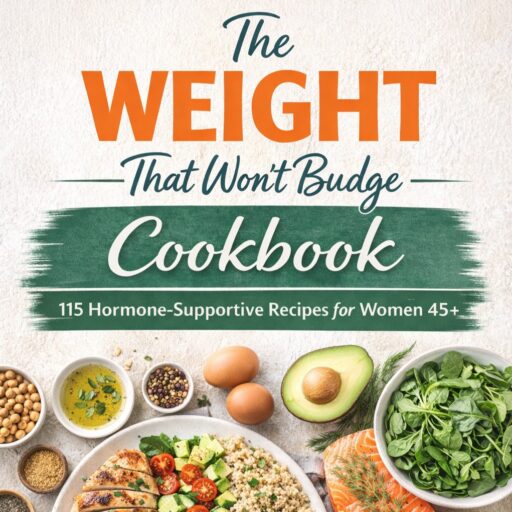
The Weight That Won’t Budge Cookbook