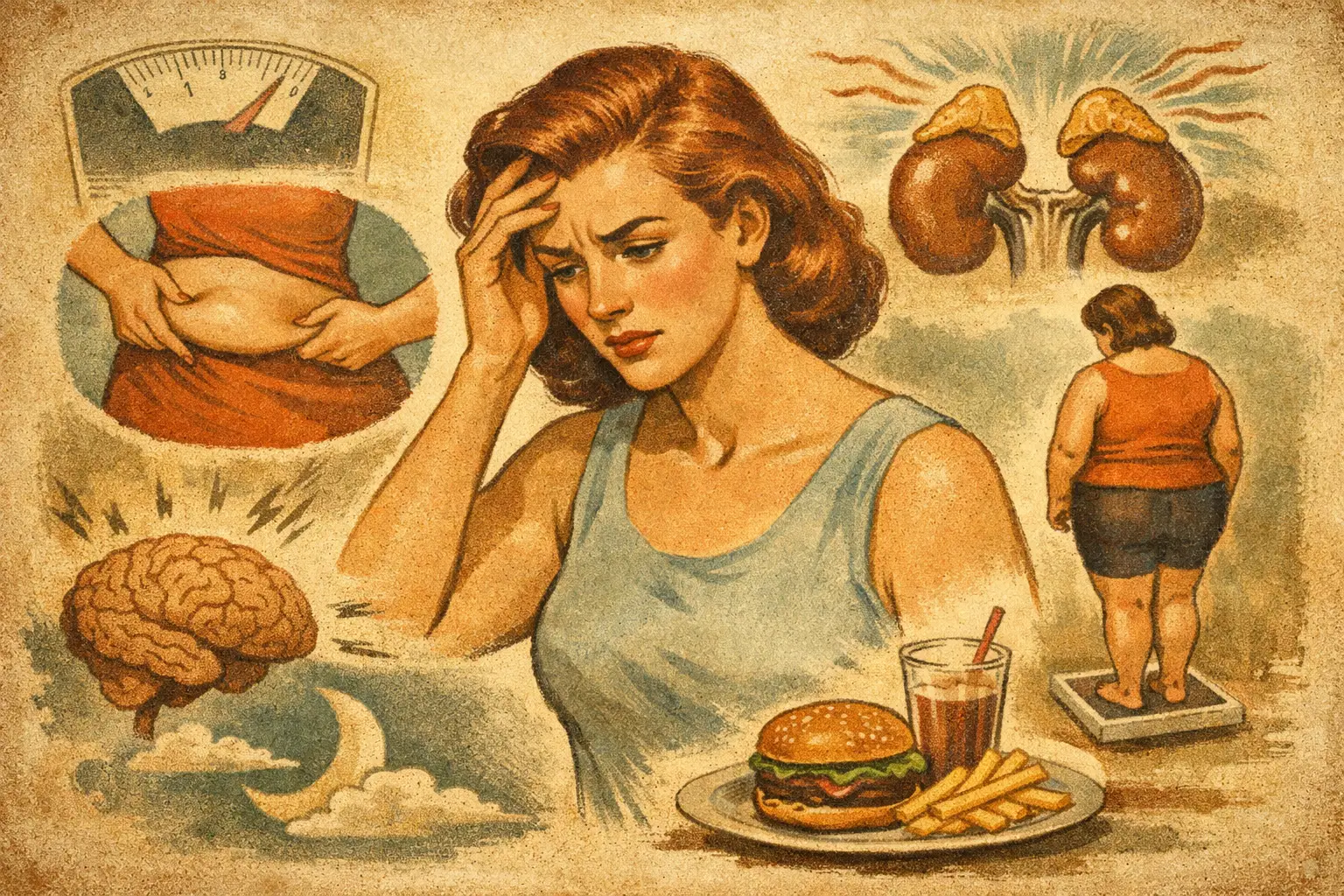
You can be eating less, walking more, skipping dessert, and still watch your midsection get softer or your weight creep up. That is exactly why the conversation around cortisol and weight gain in women matters, especially after 45. If your body feels like it started playing by a different set of rules, you are not imagining it, and you are not failing.
For many women in midlife, stress is not just an emotional issue. It becomes a metabolic one. Cortisol, often called the stress hormone, can affect blood sugar, appetite, sleep, cravings, and where your body prefers to store fat. That does not mean cortisol is the only reason for weight gain, but it can absolutely make the process harder when it stays elevated for too long.
What cortisol actually does
Cortisol is made by your adrenal glands and helps your body respond to stress. In the short term, it is useful. It helps you wake up in the morning, stay alert, and respond to pressure. The problem is not cortisol itself. The problem is when your body gets stuck in a stress-heavy pattern and keeps pumping it out more often than it should.
This can happen from obvious stress, like caregiving, work pressure, or poor sleep. It can also come from less obvious sources, including under-eating, over-exercising, blood sugar swings, chronic inflammation, and pushing through exhaustion day after day. In other words, your body does not always separate emotional stress from physical stress.
Cortisol and weight gain in women after 45
After 45, hormones begin shifting in ways that change how your body handles stress. Estrogen and progesterone fluctuations can affect sleep, mood, insulin sensitivity, and fat storage. That means the same stressful lifestyle you handled at 35 may hit very differently at 48 or 55.
When cortisol stays high, it can raise blood sugar so your body has quick energy to deal with stress. In response, insulin rises to help move that sugar out of the bloodstream. Over time, if this cycle happens often, the body may become less responsive to insulin. That matters because insulin resistance makes fat loss harder and often encourages more fat storage around the abdomen.
This is one reason belly weight can feel especially stubborn in midlife. It is not about vanity or lack of discipline. It is often a sign that stress hormones, blood sugar, and shifting sex hormones are all interacting at once.
Why stress weight shows up around the middle
Abdominal weight gain is common during perimenopause and menopause, and cortisol may be one piece of that puzzle. Fat cells in the abdominal area seem to be more responsive to cortisol and insulin than many women realize. When both hormones stay elevated, your body may be more likely to store energy there.
That does not mean every woman with belly fat has a cortisol problem. It also does not mean lowering stress alone will make the weight disappear. Midlife weight gain is rarely caused by one single hormone. But if you have high stress, poor sleep, more cravings, and a growing waistline, cortisol deserves attention.
Signs cortisol may be affecting your weight
Some women assume stress only counts if they feel anxious all day. That is not always the case. You can be high functioning, productive, and still operating with a stress burden that affects your metabolism.
A few common patterns can point in that direction. You may feel wired at night and tired in the morning. You may crave sugar or salty snacks in the afternoon. You may rely on caffeine to get going, skip meals because you are busy, then overeat later because your body is trying to catch up. You may also notice that intense workouts leave you drained instead of energized.
None of these signs prove high cortisol on their own, but together they tell a story. They suggest your body may need more support, not more punishment.
What raises cortisol without you realizing it
This is where many women get tripped up by old-school diet advice. Cutting calories too low, doing long fasted workouts, surviving on coffee, and ignoring hunger cues can all push the body into a more stressed state. For a woman already navigating hormonal change, that can backfire.
Poor sleep is another major driver. Even a few nights of bad sleep can affect cortisol, hunger hormones, blood sugar, and decision-making around food. If you are waking at 3 a.m. or sleeping lightly because of hot flashes or stress, your metabolism feels that.
Blood sugar instability matters too. If breakfast is just toast, or lunch is a salad with barely any protein, you may end up on a blood sugar roller coaster. That can trigger more cortisol release as your body tries to stabilize energy levels.
How to calm the cortisol-weight gain cycle
The goal is not to create a perfectly stress-free life. That is not realistic. The goal is to lower the stress load your body experiences on a daily basis and make your metabolism feel safer.
Eat in a way that steadies blood sugar
One of the most practical places to start is with meals. Your body needs enough protein, fiber, and healthy fat to keep blood sugar more stable and reduce stress on your system. If you tend to eat lightly all day and then snack all evening, that pattern alone can keep you stuck.
A better approach is simple, not extreme. Build meals around a protein source like eggs, Greek yogurt, chicken, salmon, cottage cheese, tofu, or turkey. Add fiber-rich carbohydrates such as berries, beans, lentils, oats, or sweet potato. Include healthy fats like avocado, nuts, seeds, or olive oil.
For example, breakfast could be eggs with sautéed vegetables and a side of berries. Lunch might be a grilled chicken salad with chickpeas and olive oil dressing, not just lettuce and a few sad cucumber slices. Dinner could be salmon, roasted broccoli, and quinoa. The point is to nourish your body consistently enough that it does not keep sounding the alarm.
Stop under-eating in the name of being good
Many women over 45 are still trying to lose weight with the same low-calorie tactics they used decades ago. But under-eating can increase stress hormones, lower energy, worsen cravings, and make fat loss less efficient.
If you are constantly hungry, thinking about food all day, or losing control at night, your body may be asking for more consistent nourishment. Eating enough is not the enemy. For many midlife women, it is part of the solution.
Rethink your workouts
Exercise is helpful for stress, but more is not always better. If your body is already strained, high-intensity exercise every day may add to the problem. That does not mean you need to stop moving. It means you need the right kind of movement for this season of life.
Strength training, walking, gentle cycling, stretching, and shorter intervals often work better than punishing cardio marathons. The sweet spot depends on your sleep, recovery, current fitness level, and overall stress load. You should feel challenged, not wrecked.
Protect sleep like it matters, because it does
If there is one habit that influences cortisol, cravings, and weight more than most women expect, it is sleep. Poor sleep raises stress hormones and makes it harder to regulate appetite the next day.
Start with the basics. Eat enough during the day. Reduce late-night scrolling. Keep caffeine earlier. Make your bedroom cool and dark. If blood sugar drops are waking you overnight, a balanced dinner with protein, fiber, and fat may help more than a tiny meal or a bowl of cereal.
Build recovery into your day
You do not need an hour-long morning routine to support cortisol. Small moments count. Five minutes of slow breathing before breakfast, a short walk after lunch, stepping outside for morning light, and eating lunch away from your computer can all send your body the message that it is safe.
That may sound almost too simple, but the body responds to patterns. Repeated small signals of safety can help lower the constant stress drumbeat that keeps cortisol elevated.
When cortisol is not the whole story
This part matters. Not every case of weight gain is caused by cortisol. Thyroid issues, insulin resistance, menopause-related hormone changes, certain medications, depression, chronic pain, and reduced muscle mass can all play a role. Sometimes cortisol is a contributing factor, not the main driver.
That is why a hormone-smart approach works better than chasing one villain. If you focus only on stress but ignore blood sugar, protein intake, sleep quality, and strength training, progress may stay slow. On the other hand, when you support the full picture, your body often becomes more responsive.
At The Weight That Won’t Budge, that is the shift that matters most. You stop fighting your body and start working with it.
If your body has been holding onto weight in ways that do not match your effort, take that as useful information, not a personal failure. Start with steadier meals, better recovery, and less punishment disguised as discipline. Midlife metabolism does not need harsher rules. It needs smarter support.
This content is for informational purposes only and is not intended as medical advice
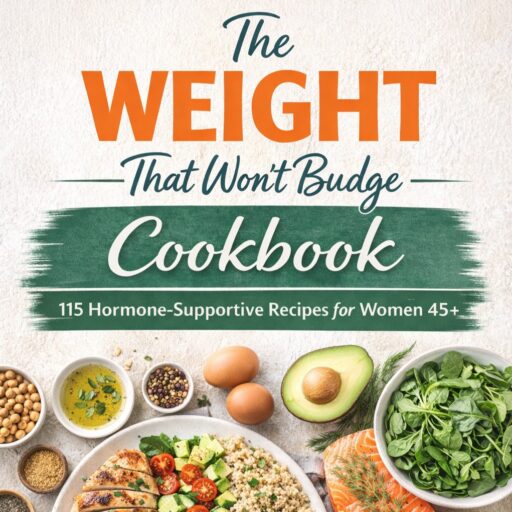
The Weight That Won’t Budge Cookbook