
If your body suddenly feels harder to manage than it did ten years ago, that is not in your head. For many women, insulin resistance symptoms in women start showing up more clearly in the 40s and 50s, right when hormones begin shifting and old weight-loss advice stops working. You may be eating less, trying to be careful, and still dealing with belly weight, energy crashes, and cravings that seem to come out of nowhere.
This is one reason so many women feel like their bodies have turned against them. But you are not broken. When insulin is not working efficiently, your body has a harder time moving sugar out of the bloodstream and into the cells where it can be used for energy. That can affect weight, appetite, mood, and even how clearly you think.
What insulin resistance actually means
Insulin is a hormone that helps move glucose from your blood into your cells. When your cells become less responsive to insulin, your body often tries to compensate by making more of it. That higher insulin output can keep blood sugar looking normal for a while, but it still puts stress on the body.
For women over 45, this matters because estrogen changes, poorer sleep, increased stress, and reduced muscle mass can all make insulin resistance more likely. This is often why a woman can eat the same way she always has and suddenly start gaining weight or feeling more tired after meals.
Insulin resistance does not always announce itself with one dramatic symptom. More often, it shows up as a pattern that gets brushed off as aging, stress, menopause, or lack of discipline. That is exactly why it gets missed.
Common insulin resistance symptoms in women
One of the most common signs is weight gain around the middle. This is not just about looks. When insulin levels stay elevated, the body is more likely to store fat, especially in the abdominal area. If your waistline has changed even though your habits have not changed much, that can be a clue worth paying attention to.
Fatigue is another big one. Many women describe feeling tired after eating, especially after meals that are heavy in bread, pasta, sweets, or other refined carbs. Instead of feeling fueled, they feel foggy, sleepy, or drained. That happens because blood sugar and insulin may be rising and falling in a way that leaves energy unstable.
Cravings can also be part of the picture. If you feel fine in the morning but by afternoon you are hunting for something sweet or salty, blood sugar swings may be involved. This is not simply a willpower problem. When your body struggles to regulate glucose well, cravings can get louder and more frequent.
Brain fog deserves more attention than it gets. Forgetfulness, trouble focusing, and that mentally sluggish feeling in the afternoon can all overlap with midlife hormone changes, but blood sugar instability can make them worse. If your concentration seems tied to when and what you eat, that is useful information.
Some women also notice they get hungry again very quickly after meals. Even when they eat enough calories, the meal does not seem to hold them. This can happen when a meal is too carb-heavy and too low in protein, fiber, or healthy fat. Blood sugar rises fast, insulin responds hard, and a crash follows.
Skin changes can show up too. Darkened patches of skin, especially around the neck, underarms, or groin, can be associated with higher insulin levels. Skin tags may also become more common. Not every woman with insulin resistance will notice these signs, but when they appear, they should not be ignored.
Why symptoms often get worse in midlife
Midlife is a perfect storm for blood sugar issues. Estrogen helps support insulin sensitivity, so when estrogen starts fluctuating and declining during perimenopause and menopause, the body may become less efficient at handling carbohydrates. Add poor sleep, which raises stress hormones and worsens blood sugar control, and the problem gets amplified.
Loss of muscle matters too. Muscle helps soak up glucose from the bloodstream, so when muscle mass declines with age, your body has fewer places to put that glucose. That does not mean you need to become a bodybuilder. It means preserving muscle through regular strength work and adequate protein becomes more important than ever.
Stress is another piece many women underestimate. Chronic stress pushes the body to release more cortisol, and higher cortisol can raise blood sugar and increase insulin demand. If you are juggling work, aging parents, family needs, and poor sleep, your metabolism is not operating under calm conditions.
When insulin resistance symptoms look like “just menopause”
This is where things get tricky. Hot flashes and cycle changes clearly point to hormones, but belly fat, fatigue, poor sleep, and mood shifts can belong to more than one story at once. Menopause may be part of the picture, but that does not mean insulin is off the hook.
The overlap matters because women are often told to simply eat less and move more. That advice misses the real issue if your blood sugar is unstable. You can be highly disciplined and still feel stuck if your meals are not supporting insulin balance.
It also depends on the individual. Some women notice mostly weight and craving changes. Others feel it more in their energy, skin, or mental clarity. The symptom pattern is not identical for everyone, which is why context matters more than a checklist.
What to do if these symptoms sound familiar
Start by paying attention to patterns, not perfection. Notice how you feel one to two hours after meals. Do you get sleepy, shaky, irritable, or hungry again quickly? Do cravings hit at the same time each day? These clues can tell you a lot before any formal diagnosis happens.
Then look at how your meals are built. A breakfast of toast or cereal may be quick, but it often sets up a blood sugar roller coaster. A more supportive breakfast might include eggs with sauteed vegetables, Greek yogurt with chia seeds and berries, or cottage cheese with walnuts. The goal is not to fear carbs. The goal is to pair them with protein, fiber, and fat so they work better for your body.
Lunch and dinner matter just as much. Think in terms of balance: a solid protein source, nonstarchy vegetables, a smart portion of fiber-rich carbs, and healthy fat. Grilled chicken with roasted broccoli and quinoa works. So does salmon with green beans and sweet potato. This kind of meal pattern is much more helpful than skipping meals all day and then overeating at night.
Walking after meals can help more than many women realize. Even ten minutes after lunch or dinner can support better blood sugar handling. Strength training is also one of the most effective tools because it improves insulin sensitivity over time. If you are new to it, start small and stay consistent.
Sleep has to be part of the conversation. If you are sleeping five or six broken hours a night, your hunger hormones, stress response, and insulin function are all more likely to struggle. Better sleep will not solve everything, but poor sleep can quietly undo a lot of effort.
When to talk to your doctor
If you recognize several of these insulin resistance symptoms in women, it is worth bringing them up with your healthcare provider. Ask for a fuller conversation, not just a quick dismissal based on one normal glucose reading. Depending on your situation, your provider may look at fasting insulin, fasting glucose, A1C, triglycerides, waist circumference, and other markers that help show the broader picture.
This matters even more if you also have a family history of type 2 diabetes, high blood pressure, PCOS, or elevated cholesterol. Insulin resistance can develop gradually, and catching it earlier gives you more room to improve it with everyday habits.
There is no prize for waiting until symptoms become severe. Support works best when you start paying attention early.
You do not need a punishing diet to respond to what your body is telling you. You need steadier meals, better blood sugar support, and a plan that respects the reality of midlife. That is how change starts to feel possible again instead of exhausting.
This content is for informational purposes only and is not intended as medical advice
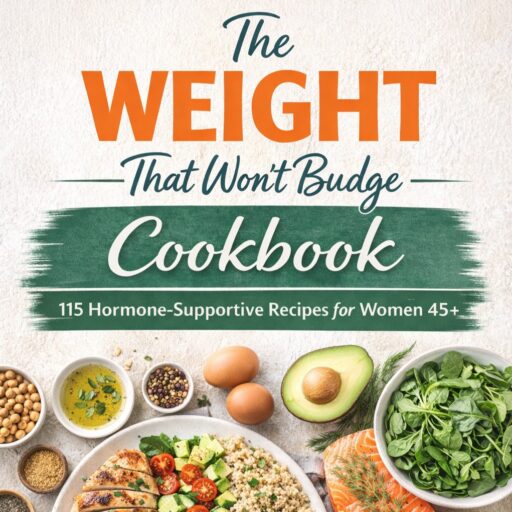
The Weight That Won’t Budge Cookbook