If you feel like your old “eat less and try harder” approach stopped working somewhere in your 40s, you are not imagining it. Learning how to build balanced meals becomes much more important after 45, when blood sugar swings, changing estrogen, stress, and lower muscle mass can make the same breakfast or lunch hit your body very differently than it used to.
This is where many women get blamed for a problem that is not about laziness or lack of discipline. A yogurt with fruit, a salad with almost no protein, or toast grabbed on the way out the door can look healthy on paper. But if that meal leaves you hungry an hour later, craving sugar by midafternoon, or raiding the pantry at night, it is not balanced enough for what your body needs now.
What balanced meals really mean in midlife
A balanced meal is not about perfection, tiny portions, or following food rules that make your life harder. It means building a plate that gives your body enough protein, fiber-rich carbs, healthy fat, and color from produce so you stay satisfied, support muscle, and keep blood sugar steadier.
That matters in midlife because insulin response often becomes less forgiving. When meals are mostly refined carbs or too light on protein, your blood sugar can rise quickly and fall just as fast. That crash often shows up as fatigue, irritability, brain fog, and the feeling that you need something sweet right now.
Balanced meals help correct that pattern. They do not need to be fancy. They need to work.
How to build balanced meals without overthinking it
The easiest way to do this is to think in parts, not calories. Start with protein, add fiber-rich carbohydrates, include healthy fat, and finish with produce. That simple structure tends to work far better than chasing low-calorie meals that leave you unsatisfied.
Start with protein first
Protein is usually the missing piece for women over 45. It supports muscle mass, helps with fullness, and slows how quickly a meal affects blood sugar. If you build your meal around carbs first, protein often becomes an afterthought. Flip that.
For most meals, a solid serving of protein might look like eggs, Greek yogurt, cottage cheese, chicken, turkey, tuna, salmon, shrimp, tofu, tempeh, or beans paired with another protein source. If you are eating a salad, ask yourself what the real protein is. If the answer is a sprinkle of cheese, the meal probably needs help.
Add smart carbohydrates, not naked carbs
Carbs are not the problem. Midlife women have been told to fear carbs, then wonder why they feel depleted and snacky. The issue is usually eating carbs by themselves or relying on highly processed ones that digest fast.
A better approach is to pair carbohydrates with protein and fat. Think berries with Greek yogurt, oatmeal with chia seeds and eggs on the side, or rice with salmon and vegetables. Beans, lentils, oats, sweet potatoes, quinoa, fruit, and whole grains can all fit. It depends on your body, your activity level, and how you feel after eating them.
If a meal is centered around bread, crackers, cereal, chips, or a pastry with little protein, that is when many women notice the blood sugar roller coaster.
Include healthy fat so your meal actually satisfies you
Fat adds staying power. It also supports hormone health and helps meals taste good, which matters more than diet culture wants to admit. Avocado, nuts, seeds, olive oil, tahini, olives, nut butter, and fatty fish can all help round out a meal.
There is a trade-off here. Fat is helpful, but more is not always better if portions get away from you. A handful of nuts can support a meal. Several handfuls eaten while making dinner can turn into mindless extra intake without much satisfaction. Balance still matters.
Finish with fiber and color
Nonstarchy vegetables and fruits bring fiber, nutrients, and volume to meals. They support digestion and help you feel full without making everything about restriction. Leafy greens, broccoli, green beans, zucchini, peppers, cauliflower, cucumbers, carrots, berries, apples, and citrus are all easy wins.
If your plate is beige and your energy is flat, this is often the part to improve.
A simple balanced plate formula
If you want a practical shortcut for how to build balanced meals, picture your plate in sections. Aim for a meaningful portion of protein, a generous amount of vegetables, a moderate serving of smart carbs, and a little healthy fat.
That might mean grilled chicken, roasted broccoli, sweet potato, and olive oil. Or it might mean cottage cheese, berries, walnuts, and a slice of whole-grain toast. The exact foods matter less than the structure.
You also do not need every meal to look identical. Breakfast may be lighter in vegetables. Dinner may include more cooked produce and starch. The goal is not a perfect plate every time. The goal is a pattern your body can count on.
Balanced meal ideas for real life
Breakfast is where many women accidentally start the day underfed. Coffee and toast, a banana, or a small bowl of cereal may be easy, but they often do not carry you very far. A better breakfast could be eggs with sautéed spinach and berries, Greek yogurt with chia seeds, walnuts, and fruit, or oatmeal cooked with extra protein from collagen or a side of eggs.
Lunch needs to be more than a sad salad. Try a big bowl with grilled chicken or salmon, greens, chopped vegetables, quinoa, and avocado. Or make a turkey wrap with a high-fiber tortilla, plenty of veggies, and a side of fruit. Soup can work too, especially if it includes beans, chicken, turkey, or lentils instead of mostly broth and noodles.
Dinner can stay simple. A piece of fish, roasted vegetables, and rice is balanced. So is taco meat over a salad with black beans, salsa, and avocado. Even pasta can work when you shift the proportions – less pasta, more protein, more vegetables, and a fat source that helps the meal satisfy.
Snacks count too, especially if you go long stretches between meals. Instead of reaching for something purely crunchy or sweet, pair foods. Apple with peanut butter, cottage cheese with berries, or hummus with veggies and turkey slices will usually hold you longer than crackers alone.
Common mistakes when trying to build balanced meals
One common mistake is eating too little earlier in the day, then feeling out of control at night. That pattern is not a willpower issue. It is often a setup issue. If breakfast and lunch are too small or too carb-heavy, evening cravings make sense.
Another mistake is choosing foods based only on calories. A 100-calorie snack pack may fit a diet app, but it may do very little for your hunger, hormones, or energy. Midlife bodies often respond better to enough food at meals than to constant nibbling on low-calorie items.
The third mistake is assuming healthy foods are automatically balanced foods. A smoothie can be balanced, or it can be mostly sugar. A salad can be balanced, or it can leave you starving. A meal is only balanced if it keeps you steady, satisfied, and supported for the next few hours.
How to make this easier during busy weeks
You do not need a full meal prep operation to eat this way. Keep a few reliable protein options on hand, such as hard-boiled eggs, cooked chicken, tuna packets, Greek yogurt, cottage cheese, or frozen salmon burgers. Stock easy produce like baby carrots, cucumbers, salad greens, frozen vegetables, berries, and apples. Then add a few simple carbs and fats you know you tolerate well.
This gives you enough building blocks to throw together meals without decision fatigue. And that matters, because the most balanced plan in the world will not help if it is too complicated to follow on a Wednesday at 6 p.m.
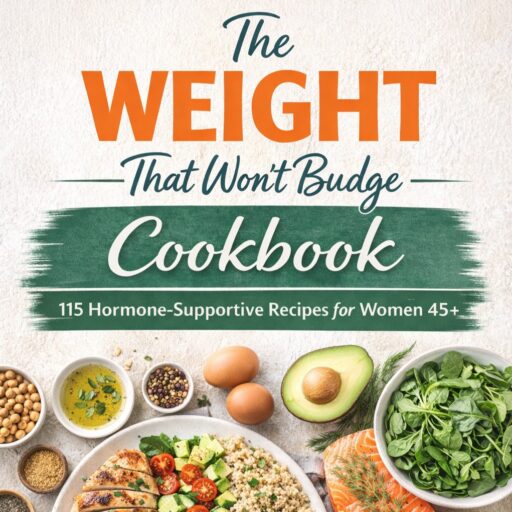
At The Weight That Won’t Budge, we believe food should support your hormones and your real life. You do not need to earn your meals, fear your carbs, or live on salads to feel better in your body.
A helpful place to start is this: at your next meal, do not ask how little you can eat. Ask what would make this meal more balanced. That one shift can change your energy, your cravings, and the way your body responds over time.
This content is for informational purposes only and is not intended as medical advice
The Weight That Won’t Budge Cookbook