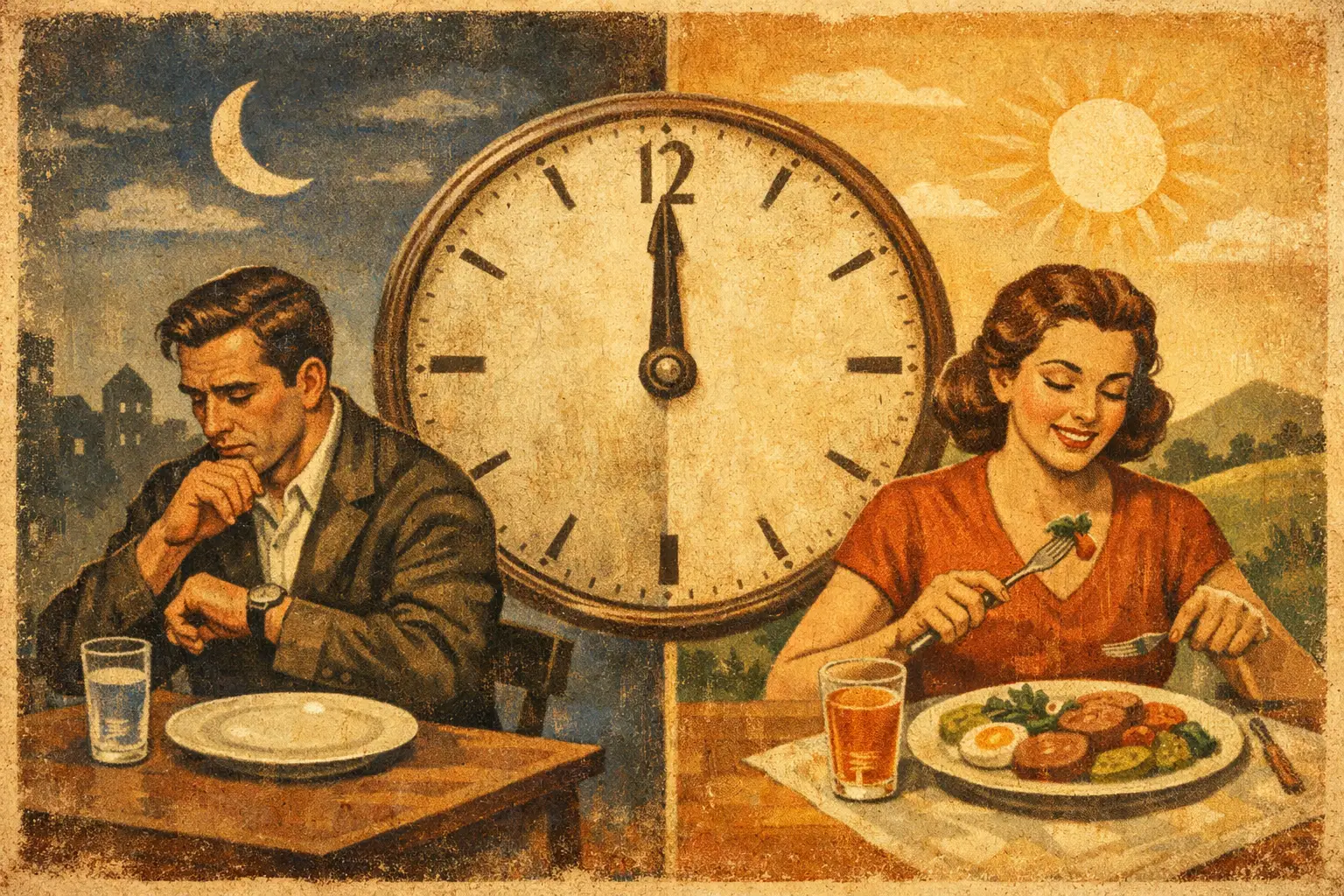
You can skip breakfast, eat less, and still watch the scale refuse to move. That is exactly why the intermittent fasting vs balanced meals question matters so much for women over 45. At this stage, your body is not simply responding to fewer calories. It is responding to stress, blood sugar swings, sleep quality, muscle loss, and shifting hormones.
If you have been told that eating in a smaller window is the missing piece, you are not wrong to be curious. Intermittent fasting can help some women. But if fasting leaves you ravenous at night, shaky in the afternoon, or stuck in an all-or-nothing cycle, that does not mean you failed. It usually means your body needs more stability before it needs more restriction.
Intermittent fasting vs balanced meals for midlife women
For women in midlife, this is not really a debate about discipline. It is a question of what helps your metabolism feel safer and more supported.
Intermittent fasting is an eating pattern that limits when you eat. Balanced meals focus on what you eat at each meal, usually with protein, fiber, healthy fats, and steady carbohydrates. Both can affect insulin, appetite, and weight. The difference is that one works mainly through timing, while the other works mainly through blood sugar balance and nourishment.
That difference matters more after 45 because your body is often less forgiving of big gaps between meals, poor sleep, chronic stress, and under-eating. Estrogen changes can influence insulin sensitivity and fat storage. Cortisol may already be running high from busy schedules, caregiving, and sleep disruption. Add long fasting windows on top of that, and some women feel better. Others feel worse fast.
Why intermittent fasting can work
There is a reason intermittent fasting gets so much attention. For some women, it helps reduce mindless snacking, lowers total calorie intake without tracking, and creates a clearer eating structure. If your day has turned into coffee in the morning, random bites in the afternoon, and overeating at night, a simple eating window may help restore rhythm.
Some women also notice improved blood sugar control when they stop grazing all day. Digestive symptoms may improve too, especially if late-night eating has become a habit. And for women who naturally are not hungry first thing in the morning, forcing breakfast can feel unnecessary.
Used thoughtfully, fasting can be a useful tool. The key phrase is used thoughtfully. A gentle 12-hour overnight fast is very different from pushing through 16 or 18 hours while running on caffeine and stress.
Why intermittent fasting can backfire after 45
This is the part many women are not told. Fasting is not automatically hormone-smart just because it is popular.
If you are already under-eating, sleeping poorly, losing muscle, or dealing with intense stress, long fasting windows can increase cravings and make energy more erratic. You may feel virtuous all morning, then find yourself tearing through crackers, chocolate, or takeout by evening. That is not a willpower issue. It is a biological response to not getting enough support earlier in the day.
For some women, fasting can also mean missing protein. That matters because preserving muscle becomes more important with age, and muscle plays a major role in metabolic health and blood sugar control. If your eating window is short and your meals are light, it can be surprisingly hard to get enough protein, fiber, and total nourishment.
There is also the cortisol piece. When your body sees long gaps without food as another stressor, fasting may leave you wired, anxious, or exhausted. If you feel shaky, irritable, lightheaded, or obsessed with food, your body is giving you useful information.
Why balanced meals often work better
Balanced meals are not flashy, which is probably why diet culture keeps overlooking them. But for many women over 45, they are the more effective foundation.
A balanced meal helps regulate blood sugar, supports insulin response, and lowers the chance of the crash-and-crave cycle that can drive overeating later. When you build meals around protein, fiber, healthy fat, and a sensible portion of carbohydrates, your body gets a steadier stream of energy. That usually means fewer energy dips, fewer intense cravings, and better appetite control.
This matters in midlife because stable blood sugar can make weight loss easier to sustain. It can also support mood, sleep, and energy, which all affect what and how much you eat. If breakfast is eggs with berries and whole grain toast, or Greek yogurt with chia seeds and nuts, that creates a very different day than coffee followed by a late lunch and nighttime snacking.
Balanced meals also make it easier to eat enough protein consistently. That supports muscle maintenance, and muscle is one of your best allies for metabolic health. When women say they want their metabolism back, this is often part of what they actually need.
Intermittent fasting vs balanced meals: which is better?
For most women over 45, balanced meals are the better starting point. Not because fasting is bad, but because your body needs stability before it needs another rule.
If your current eating pattern is chaotic, your energy is low, your cravings are intense, or your weight has been creeping up despite eating “healthy,” start by fixing meal quality first. Build breakfast and lunch around protein. Stop letting dinner carry the entire nutritional load of the day. Make your meals more complete before you make your eating window smaller.
Once balanced meals are in place, a mild form of intermittent fasting may fit naturally. Many women do well with simply finishing dinner earlier and waiting 12 hours until breakfast. That is enough to create structure without pushing the body into a stress response.
The problem comes when fasting is used to compensate for a diet that is still blood sugar-disruptive, too low in protein, or overly restrictive. Skipping meals does not cancel out the effect of undernourishment.
A more realistic way to test what works for you
Instead of asking which approach is universally best, ask which one helps your body feel calm, satisfied, and consistent.
If you want to experiment with fasting, keep it gentle. Start with a 12-hour overnight fast. Eat two or three balanced meals during the day rather than one huge meal and random snacks. Pay attention to your energy, mood, sleep, cravings, and workout recovery. If you feel steadier and less snacky, that is useful. If you feel depleted and end up overeating at night, that is useful too.
If you are not sure where to begin, balanced meals are the safer first move. A simple plate might look like salmon, roasted vegetables, and quinoa. Or chicken, avocado, greens, and sweet potato. Or cottage cheese, fruit, nuts, and seeds for a quick breakfast. This is the kind of eating pattern that supports blood sugar and hormones without making your life smaller.
That is also where many women find relief. They stop chasing the next extreme strategy and start giving their body consistent signals of safety and nourishment.
The better question is what your body needs right now
There is no gold star for fasting longer. There is no failure in needing breakfast. And there is no prize for white-knuckling your way through a plan that leaves you drained.
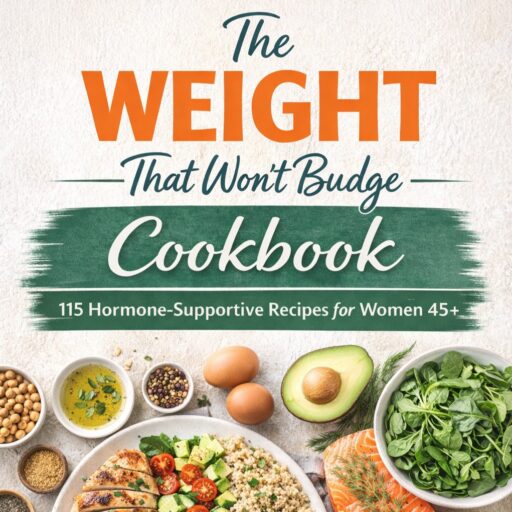
At The Weight That Won’t Budge, we believe midlife weight struggles make more sense when you look at hormones, insulin, and real life together. Sometimes intermittent fasting can be part of that picture. But balanced meals are usually the piece that makes everything else work better.
If your body has felt harder to manage lately, you are not broken. You may simply need a steadier, more hormone-smart approach than the one diet culture keeps pushing.
Start with the method that helps you feel nourished, not punished. That is often where progress finally begins.
This content is for informational purposes only and is not intended as medical advice
The Weight That Won’t Budge Cookbook