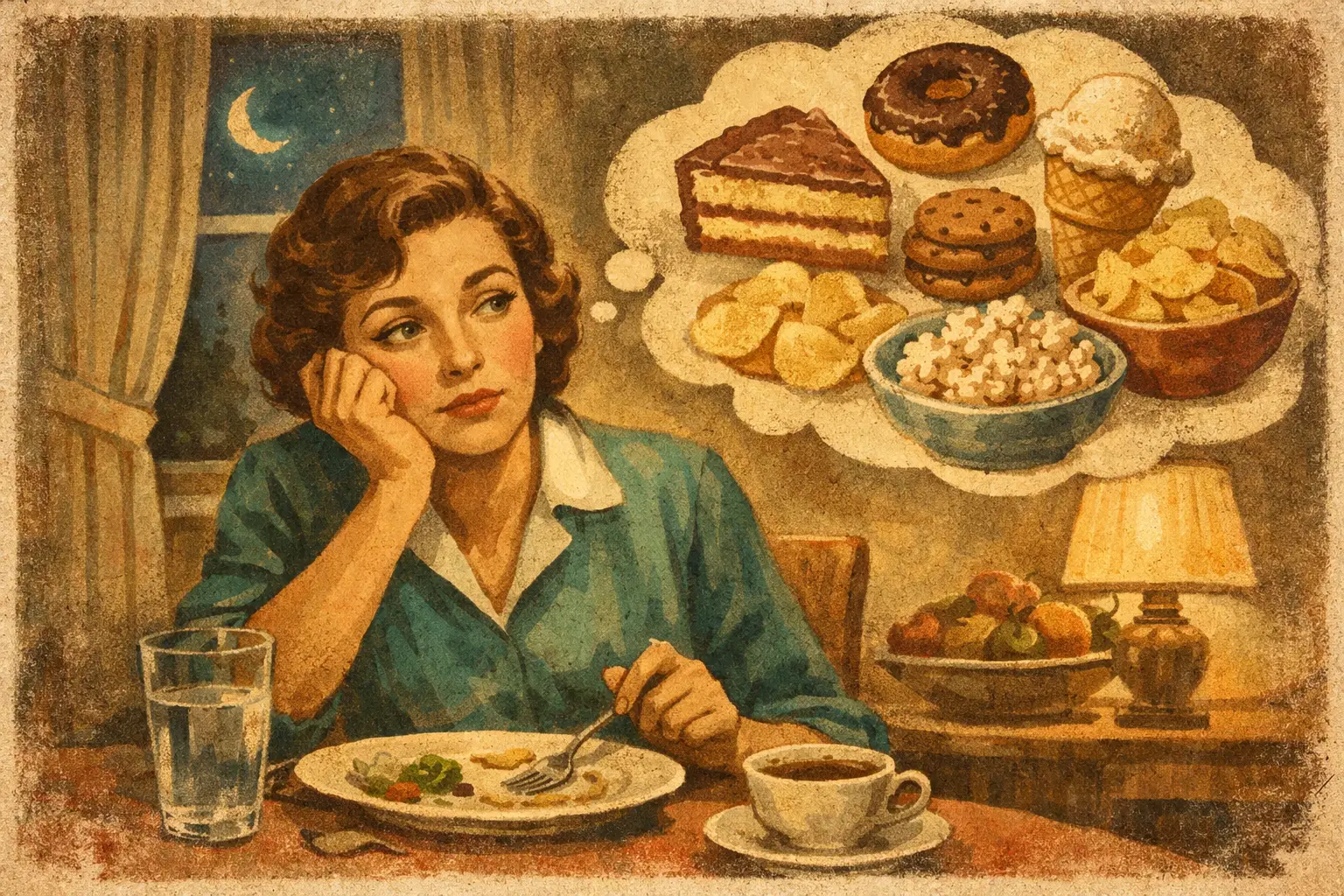
You finish dinner, clean up the kitchen, and then it starts. You want something crunchy, sweet, or starchy, even if you were not especially hungry an hour ago. If you have been asking, why do I crave carbs after dinner, you are not dealing with a lack of discipline. For many women over 45, those nighttime cravings are tied to blood sugar swings, stress patterns, and hormonal changes that make evening appetite feel louder than it used to.
That matters, because late-night carb cravings can quietly keep weight stuck. They can also leave you in a cycle of eating well all day, then feeling like you “blew it” at night. The good news is that your body is usually giving you clues, not sabotaging you.
Why do I crave carbs after dinner in midlife?
The short answer is that carbs can give the brain and body quick relief. If your blood sugar drops after dinner, if your meal was not satisfying enough, or if you are running on stress hormones all day, your body may start asking for the fastest form of comfort and energy it knows.
In midlife, this gets more complicated. Estrogen and progesterone shifts can affect insulin sensitivity, sleep quality, mood, and appetite regulation. That means a dinner that used to hold you for hours may no longer do the job. You are not imagining the change, and you are not failing at healthy eating.
A lot of women have also spent years following low-fat, low-calorie advice that leaves dinner too light. A salad with a little chicken might look healthy on paper, but if it does not stabilize blood sugar or satisfy you, your body often comes back asking for toast, chips, cereal, or dessert.
Blood sugar is often the first place to look
If dinner is heavy in starch and light on protein, fiber, or fat, blood sugar can rise quickly and then fall just as quickly. That drop can trigger cravings, especially for more carbs. It is one reason you can feel full after pasta, rice, or takeout, then start prowling for snacks later.
The opposite can also happen. If dinner is too small because you were trying to be “good,” your body may simply need more fuel. In that case, the craving is less about sugar addiction and more about under-eating earlier in the day.
This is where hormone-smart eating helps. A balanced dinner tends to work better than a light, carb-heavy meal or a sparse plate that leaves you unsatisfied. For most women, that means including a solid source of protein, a generous portion of non-starchy vegetables, healthy fat, and a moderate portion of smart carbs if they tolerate them well.
Stress and cortisol can make nighttime cravings worse
Many women over 45 spend the entire day pushing through. Coffee in the morning, skipped meals, constant decisions, family responsibilities, work pressure, poor sleep, then finally a chance to sit down at night. That is the perfect setup for cravings.
When cortisol runs high all day, the body often looks for a reward later. Carbs can temporarily calm the nervous system and raise feel-good brain chemicals, which is why evening snacking can feel emotional and physical at the same time. It is not “all in your head,” but it is not only about hunger either.
This is also why cravings often hit hardest after a stressful day, even when dinner was decent. Your body may be chasing relief as much as food.
Poor sleep can quietly increase carb cravings
If you are sleeping badly, waking at 3 a.m., or not getting enough deep sleep, your hunger hormones can shift in a way that makes appetite harder to manage. The next evening, you may notice stronger cravings for quick energy foods.
This becomes especially common in perimenopause and menopause, when sleep can become lighter and more interrupted. If you are asking why do I crave carbs after dinner every single night, it is worth looking beyond the plate. Your nighttime cravings may be connected to what happened the night before.
Your dinner may be missing satisfaction, not just nutrients
This part gets overlooked. Sometimes cravings happen because dinner checked the nutrition box but did not feel satisfying. If your meal is bland, tiny, or built around restriction, your brain may keep searching for a sense of completion.
Satisfaction matters. Warm food, enough protein, real flavor, and a feeling of being fed can reduce the drive to keep eating. There is a difference between choosing a nourishing dinner and assembling a punishment plate.
For example, grilled salmon with roasted vegetables and a small baked sweet potato is much more likely to satisfy than plain lettuce, dry chicken, and diet dressing. Both may look healthy, but they do not work the same way in a real life body.
What to do when you crave carbs after dinner
The goal is not to white-knuckle your way through cravings. The better approach is to make the craving less necessary.
Start with your daytime eating. If breakfast is just coffee and lunch is a rushed salad, your body may be playing catch-up by evening. Eating enough protein earlier in the day can make a bigger difference than most women expect. A breakfast with eggs, Greek yogurt, or a protein smoothie and a lunch that includes protein, fiber, and healthy fat can reduce the evening crash.
Then look at dinner. Build it around protein first. Chicken, fish, turkey, cottage cheese, tofu, or lean beef can all work. Add vegetables and enough fat to make the meal satisfying. Then decide whether a moderate portion of carbs helps you feel steady or triggers more cravings. This part is individual. Some women do better with a small serving of sweet potato, beans, or quinoa at dinner. Others feel better keeping dinner lower in starch and getting carbs earlier in the day.
If cravings still hit, pause before assuming you need dessert. Ask yourself whether you are hungry, tired, stressed, or looking for comfort. Sometimes the answer is food. Sometimes it is decompression.
A helpful middle ground is to choose a planned evening snack instead of sliding into random grazing. Something like Greek yogurt with cinnamon, apple slices with almond butter, or cottage cheese with berries gives you protein and steadier energy than cookies or crackers alone. If you truly want something sweet, pairing it with protein often helps prevent the cycle from getting bigger.
When carbs after dinner are not the real problem
Sometimes the carb craving is just the visible symptom. The deeper issue might be chronic under-eating, insulin resistance, poor sleep, high stress, or a habit loop that got reinforced over time. Evening TV, a quiet house, and a familiar snack can become a ritual, even when hunger is not driving it.
That does not mean you need perfect behavior. It means you need honesty about the pattern. If the craving happens at the same time every night, there is probably a reason. Your job is not to judge it. Your job is to understand it.
This is exactly where a hormone-smart approach is more useful than old-school dieting. Instead of blaming yourself, you look at the signals. Are your meals balanced? Are you eating enough protein? Are you going too long without food? Is stress draining you? Is sleep making everything harder? Those answers usually tell you more than your willpower ever will.
A better question than why do I crave carbs after dinner
Try asking, what is this craving trying to solve? Quick energy, emotional relief, blood sugar recovery, more satisfaction, or simple habit all require slightly different solutions. Once you know which one is showing up for you, the pattern gets easier to shift.
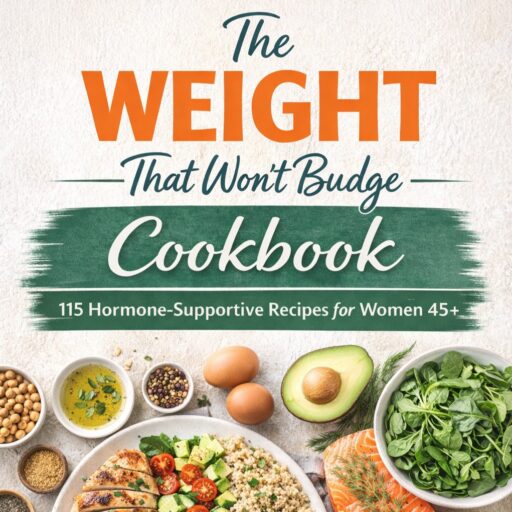
You are not broken, and you do not need more food guilt at 8 p.m. You need meals that work with your changing body, not against it. At The Weight That Won’t Budge, that often starts with steady blood sugar, enough protein, and dinners that actually satisfy.
The next time the craving hits, treat it like information. Your body may be asking for better support, not better self-control.
This content is for informational purposes only and is not intended as medical advice
The Weight That Won’t Budge Cookbook