
If you feel like you are eating less than you used to but gaining more anyway, protein may be one of the missing pieces. Learning how to eat more protein after 45 is not about bodybuilder meals or forcing down plain chicken. It is about giving your changing body the steady nutrition it needs for muscle maintenance, blood sugar balance, appetite control, and better energy.
This matters more in midlife than most women have been told. After 45, shifts in estrogen, insulin response, and muscle mass can change how your body handles food. That is one reason a light breakfast, a salad for lunch, and a small dinner can still leave you tired, hungry, and stuck. You are not broken. Your body simply needs a different level of support.
Why protein matters more after 45
Protein helps repair and preserve lean muscle, and that becomes especially important in perimenopause and menopause. As muscle mass naturally declines with age, metabolism can slow and blood sugar can become harder to manage. When meals are too low in protein, you may feel hungry again quickly, crave sugar in the afternoon, or find yourself snacking at night even when you are trying to be disciplined.
Protein also has a more stabilizing effect on appetite than highly processed carbs eaten alone. That does not mean carbs are bad. It means a piece of toast by itself will usually affect your body very differently than toast paired with eggs or Greek yogurt with berries and chia seeds. One tends to spike and drop your blood sugar. The other is more likely to keep you steady.
For women dealing with stubborn weight gain, that steadiness matters. The goal is not just eating fewer calories. The goal is helping your body feel safe, nourished, and less driven by cravings and energy crashes.
How to eat more protein after 45 without overthinking every meal
The easiest way to increase protein is not to chase a perfect number right away. It is to stop saving protein for dinner. Many women do fine at night with chicken, fish, or turkey, but breakfast and lunch are where protein often disappears.
A midlife-friendly breakfast should do more than keep you busy until lunch. It should actually support blood sugar and energy. If your morning meal is oatmeal by itself, toast, fruit, or coffee with creamer, you may be starting the day under-fueled. That can set off hunger, cravings, and overeating later.
Try building breakfast around a clear protein source. Eggs are an easy option, especially paired with cottage cheese, turkey sausage, or Greek yogurt on the side. If you prefer something quick, a smoothie with protein powder, unsweetened milk, chia seeds, and berries can work well. Leftovers from dinner are also fair game. There is nothing strange about eating salmon or chicken at breakfast if it makes your day easier.
Lunch deserves the same attention. A salad can be healthy, but if it is mostly greens and a few vegetables, it will not do much for satiety. Add grilled chicken, tuna, salmon, hard-boiled eggs, shrimp, turkey, tofu, or a generous scoop of cottage cheese. If you are having soup, pair it with a protein source instead of crackers alone. If you are having a wrap, make sure the filling is doing the heavy lifting, not just the tortilla.
Dinner is usually the easiest place to be consistent. The simplest approach is to center the plate on protein first, then add vegetables and a smart carb if you want one. That might look like baked chicken with roasted broccoli and sweet potato, ground turkey taco bowls, salmon with green beans, or stir-fried beef with vegetables over cauliflower rice or regular rice depending on your needs and appetite.
The protein mistake that keeps many women stuck
One common mistake is assuming you are eating enough protein because you eat “healthy.” Healthy and high-protein are not always the same thing. Almond milk, fruit, salads, and rice cakes may fit a diet mindset, but they often do not give your body enough support to hold onto muscle or stay full.
Another mistake is trying to increase protein while still eating tiny meals. If you have spent years being told to eat less, choosing a larger portion of protein can feel wrong at first. But a meal with 25 to 35 grams of protein is often far more satisfying than a low-calorie meal that leaves you rummaging through the pantry two hours later.
That said, it depends on your appetite, size, activity level, and health needs. You do not need to force giant portions. You just want protein to be present consistently enough that your body feels the difference.
Simple foods that make eating more protein easier
You do not need a complicated shopping list. Most women do better with a short list of repeat options they actually enjoy.
Eggs, Greek yogurt, cottage cheese, chicken breast or thighs, turkey, tuna, salmon, shrimp, lean beef, edamame, tofu, tempeh, and protein powder can all be useful. Some women also do well with higher-protein milk, cheese, or roasted chickpeas, though plant-based options usually need a little more planning to reach the same protein total.
Convenience matters too. Rotisserie chicken, pre-cooked grilled chicken strips, frozen turkey burgers, canned salmon, and single-serve Greek yogurt can make it much easier to stay consistent when life is busy. There is no prize for making every meal from scratch.
How to add protein if you do not feel very hungry
This comes up often in midlife. Some women are not truly hungry in the morning, or they get busy and forget to eat until they are ravenous later. In that case, start smaller.
You might begin with a Greek yogurt bowl instead of a full cooked breakfast, or blend a protein smoothie you can sip on the go. If lunch is usually delayed, keep easy protein options nearby so you are not relying on vending machine snacks or a granola bar to get through the afternoon.
It can also help to pair protein with foods you already like instead of trying to reinvent your entire routine. Add cottage cheese to eggs. Stir collagen or protein powder into yogurt or oatmeal, keeping in mind collagen is not a complete protein on its own. Add shredded chicken to soup. Toss shrimp into pasta. Mix tuna into cucumber boats or lettuce wraps. Small upgrades add up fast.
How to eat more protein after 45 if you are trying to lose weight
This is where diet culture has confused a lot of women. If your main focus is cutting calories at all costs, protein may get pushed aside in favor of low-fat, low-calorie foods that do not satisfy you. But when weight loss stalls in midlife, eating too little protein can work against you.
Protein helps protect muscle while you lose fat. That matters because muscle supports metabolic health, strength, and resilience as you age. It also helps many women feel fuller, which can make it easier to eat in a balanced way without the constant sense of deprivation.
The answer is not endless protein bars or giant steaks at every meal. It is a more even, realistic pattern. Think protein at breakfast, protein at lunch, protein at dinner, and a protein-based snack if needed. An apple with string cheese, Greek yogurt, turkey roll-ups, or hard-boiled eggs will usually serve you better than crackers or sweets alone.
A practical way to start this week
Instead of overhauling everything, pick one meal to fix first. Breakfast is usually the best place to start because it sets the tone for blood sugar and appetite the rest of the day. Once that feels easy, upgrade lunch. Then look at snacks.
You can also ask one simple question before each meal: where is the protein? That question alone can shift your plate in a more supportive direction. Not perfect. Just better.
For women over 45, eating more protein is not about chasing a trend. It is about respecting what your body needs now. The more you work with those changes instead of against them, the less confusing healthy eating starts to feel.
Helpful closing thought: your body is asking for support, not punishment. Start there, and your meals can begin to feel a lot more effective and a lot less frustrating.
This content is for informational purposes only and is not intended as medical advice
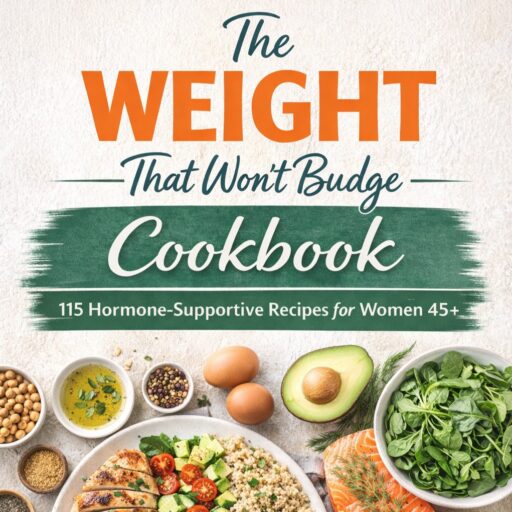
The Weight That Won’t Budge Cookbook