If you feel like your old healthy eating habits suddenly stopped working, you are not imagining it. Learning how to build hormone friendly meals can change the way you eat after 45 because midlife weight gain is often less about willpower and more about blood sugar swings, insulin response, and the stress your body is already carrying.
A salad for lunch, crackers in the afternoon, and a light dinner might have looked like discipline years ago. Now it often leaves you tired, hungry, and wondering why the scale will not move. The problem is not that you need less food. The problem is that your meals may not be giving your body the signals it needs to feel steady, fueled, and supported.
What makes a meal hormone-friendly?
A hormone-friendly meal is not a trendy recipe or a perfect plate from social media. It is a meal built to help your body maintain steadier blood sugar, reduce energy crashes, support muscle, and keep you full longer. For women over 45, that matters because hormonal shifts can make you more sensitive to stress, poor sleep, and blood sugar spikes.
When meals are mostly refined carbs or too light on protein, blood sugar tends to rise quickly and then drop. That can leave you craving sugar, reaching for snacks, and feeling like your appetite is working against you. Over time, those patterns can make weight loss feel harder than it used to.
Hormone-friendly eating is really about balance. Each meal should give you enough protein, enough fiber, enough healthy fat, and a sensible amount of carbohydrate. That combination helps slow digestion, improve satiety, and create a calmer metabolic response.
How to build hormone friendly meals without overthinking it
You do not need complicated math or a rigid food plan. The easiest way to build hormone-friendly meals is to think in parts.
Start with protein first. This is where many midlife meals fall short. Protein helps preserve muscle, keeps you fuller longer, and softens the blood sugar impact of the rest of the meal. Chicken, turkey, eggs, Greek yogurt, cottage cheese, salmon, tuna, tofu, tempeh, shrimp, and lean beef can all work well. For many women, building the meal around protein instead of treating it like a side changes everything.
Next add fiber-rich produce. Nonstarchy vegetables are especially helpful because they add volume and nutrients without sending blood sugar on a roller coaster. Think roasted broccoli, salad greens, Brussels sprouts, green beans, cauliflower, zucchini, peppers, or asparagus. Berries, apples, and pears can also fit nicely, especially when paired with protein or fat.
Then include a smart carbohydrate. This is where diet culture has confused a lot of women. Carbs are not automatically the problem. The issue is usually the type, amount, and what they are paired with. Beans, lentils, sweet potatoes, quinoa, oats, brown rice, and fruit are very different from eating toast by itself or grabbing a pastry on the go. A hormone-friendly meal uses carbs strategically, not fearfully.
Finally, add a satisfying fat. Avocado, olive oil, nuts, seeds, olives, and fatty fish can help meals feel complete. Fat also supports fullness and can make a healthy meal actually enjoyable, which matters if you want this way of eating to last.
A simple meal formula that works in real life
If you want a practical framework, aim for this: a palm-size portion of protein, one to two cups of nonstarchy vegetables, a moderate serving of smart carbs, and a little healthy fat. That is the basic structure.
It will not look identical at every meal, and that is fine. Breakfast might lean more heavily on protein and fat if you know carbs make you hungry an hour later. Dinner might include more starch if you are active, sleeping well, and that amount leaves you feeling satisfied instead of sluggish. Your body gives you feedback. The goal is not perfection. It is noticing what helps you feel steady.
For example, compare two breakfasts. One is toast with jam and coffee. The other is eggs with sauteed spinach, berries, and a spoonful of avocado. The second meal is much more likely to support stable energy and fewer cravings later. It is not because it is smaller or stricter. It is because the balance is better.
Common meal mistakes that work against hormones
Many women have been taught to eat in ways that sound healthy but do not work well in midlife. One of the biggest mistakes is eating too little protein, especially at breakfast and lunch. A muffin, banana, or small yogurt may seem light and virtuous, but it often does not carry you very far.
Another common mistake is building meals around beige carbs and calling it convenience. Cereal, crackers, granola bars, toast, or rice cakes can be easy, but they are rarely enough on their own. If those foods are part of the meal, they need support from protein, fiber, and fat.
Skipping meals can backfire too. Some women do well with structured fasting, but others find it raises stress, triggers overeating later, or leads to late-day cravings. This is one of those areas where it depends. If fasting leaves you calm and energized, it may work for you. If it makes you shaky, irritable, or ravenous at dinner, it is probably not helping your hormones.
The last mistake is trying to eat perfectly all week and then living on takeout or snack foods when life gets busy. Hormone-friendly eating has to be flexible enough for real life or it will not hold.
Hormone-friendly meal ideas for a normal week
This does not require gourmet cooking. A few simple combinations can carry you through a busy week.
Breakfast could be Greek yogurt with chia seeds, walnuts, and berries. It could also be eggs with vegetables and a side of fruit, or cottage cheese with cinnamon, sliced apple, and pumpkin seeds. The key is that you are not starting the day with quick carbs alone.
Lunch might be a grilled chicken salad with olive oil dressing and a scoop of chickpeas, or a turkey bowl with greens, quinoa, cucumber, and avocado. Soup can work too if it includes enough protein and is not just broth and noodles.
Dinner can be very straightforward. Salmon with roasted asparagus and sweet potato is a hormone-friendly meal. So is taco meat over lettuce and sauteed peppers with black beans and salsa. Even a burger plate can work well when you pair it with vegetables and a reasonable portion of roasted potatoes instead of treating fries and a bun as the whole meal.
Snacks are not mandatory, but if you need one, build it the same way. Apple slices with peanut butter, a boiled egg with carrots, or plain Greek yogurt with berries will usually work better than pretzels or a handful of cereal.
How to adjust meals based on your body
This is where a lot of generic nutrition advice falls short. Not every woman needs the same amount of carbohydrates, the same meal timing, or the same breakfast.
If you notice that starchy carbs at breakfast leave you sleepy or hungry, keep breakfast lower in carbs and center it around protein. If intense workouts leave you drained, you may need more carbohydrates at lunch or dinner than someone with a more sedentary routine. If evening cravings are a constant problem, it may be a sign that your earlier meals are too small or too low in protein.
Hormone-friendly eating should feel supportive, not punishing. You should feel more stable, not more obsessed with food. That is a useful test.
How to make hormone-friendly meals easier to stick with
The best meal plan is the one you can repeat on an ordinary Tuesday. Keep proteins cooked and ready in the fridge. Wash produce ahead of time. Make one starch to use across several meals, like roasted sweet potatoes or quinoa. Choose two or three breakfasts you actually like and rotate them.
This is also a good place to let go of all-or-nothing thinking. One less-than-balanced meal does not ruin anything. The goal is a pattern that supports your body most of the time.
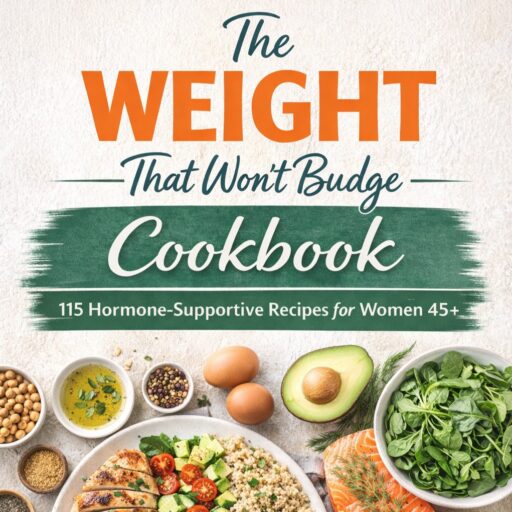
If you have spent years believing your body is failing you, this shift matters. At The Weight That Won’t Budge, we believe your body is asking for better support, not harsher rules. Learning how to build hormone friendly meals is one of the most practical ways to give it that support.
The most helpful meals are not the prettiest or the strictest. They are the ones that leave you feeling nourished, clear-headed, and back in your own corner.
This content is for informational purposes only and is not intended as medical advice The Weight That Won’t Budge Cookbook