That 3 p.m. crash, the sudden cravings, the belly weight that seemed to appear out of nowhere – none of it means you have lost discipline. It often means your old way of eating no longer matches what your body needs now. A good perimenopause meal planning guide is not about eating less and hoping for the best. It is about eating in a way that supports blood sugar, stress response, appetite hormones, and energy when your body is changing.
Perimenopause can make meals that used to “work” start backfiring. Skipping breakfast may leave you shaky and ravenous later. A light salad for lunch may look healthy but still send you hunting for snacks an hour later. If you are over 45 and wondering why your body feels more reactive to food, you are not imagining it. Hormone shifts can change how you handle carbs, how hungry you feel, how well you sleep, and how easily your body stores fat.
Why meal planning matters more in perimenopause
During perimenopause, estrogen and progesterone do not decline in a neat, predictable line. They fluctuate. That matters because these shifts can affect insulin sensitivity, sleep quality, mood, and appetite. When sleep gets worse and stress runs high, cravings tend to get louder. When blood sugar swings more dramatically, energy becomes less stable. This is one reason many women feel like they are eating “pretty well” and still gaining weight.
Meal planning helps because it removes some of the daily guesswork. It gives your body more consistent fuel and gives you fewer chances to end up underfed all day and overeating at night. It is not about perfection. It is about reducing the chaos that makes hormone symptoms and weight struggles harder to manage.
A perimenopause meal planning guide starts with balance
The most helpful shift is to stop building meals around calories alone and start building them around blood sugar balance. For most women in this stage, that means each meal works better when it includes protein, fiber, healthy fat, and a smart portion of carbohydrate.
Protein helps with satiety, muscle maintenance, and steadier energy. Fiber slows digestion and supports blood sugar control. Healthy fats help meals feel satisfying and can reduce the constant mental chatter about food. Carbohydrates still belong on your plate, but the type and amount matter more than they used to.
A bowl of cereal or toast alone may leave you hungry fast. Eggs with berries and chia seeds, or Greek yogurt with walnuts and a side of fruit, tends to land very differently. The goal is not low-carb at all costs. The goal is fewer spikes, fewer crashes, and a meal pattern that your body can actually handle well.
What a balanced plate can look like
You do not need complicated rules to do this. A practical plate often includes a palm-size portion of protein, plenty of non-starchy vegetables, a moderate serving of slower-digesting carbs, and some fat for staying power. Think salmon, roasted broccoli, and quinoa with olive oil. Or chicken, sweet potato, and green beans. Or cottage cheese with sliced apple, pumpkin seeds, and cinnamon for a simple breakfast or lunch.
This approach works because it is grounded in function, not diet culture. You are not trying to be “good.” You are trying to help your body feel safe, fueled, and less inflamed.
The biggest meal planning mistakes to avoid
One common mistake is eating too little early in the day. Many women over 45 have spent years trying to be careful with food, only to end up unintentionally undernourished by afternoon. That can lead to stronger cravings, nighttime snacking, and a cycle that feels impossible to control.
Another mistake is relying too heavily on beige convenience carbs without enough protein. Crackers, granola bars, toast, and even smoothies can seem harmless, but if they are low in protein and fiber, they often do not hold you for long. The result is more hunger, not less.
Then there is the healthy-food trap. A salad is not automatically a supportive meal. If it is mostly lettuce with a few chopped vegetables and low-fat dressing, it may be too light for your current needs. Add chicken, salmon, beans, avocado, or seeds, and now it becomes a meal that can actually carry you through the afternoon.
How to build a week of meals without overthinking it
The best perimenopause meal planning guide is one you will use on a tired Tuesday, not just one that looks good on paper. Keep it simple. Start by choosing three proteins, two or three vegetables, one or two starches, and a couple of easy breakfast options for the week.
For example, you might prep baked chicken, turkey meatballs, and hard-boiled eggs. Add roasted Brussels sprouts, salad greens, and sautéed peppers. Choose sweet potatoes and brown rice as your starches. For breakfast, rotate between eggs with vegetables and Greek yogurt with berries and nuts. With just those basics, you can mix and match several meals without cooking from scratch every day.
This kind of planning works especially well if your schedule is full. Busy women do not need gourmet systems. They need repeatable meals that lower stress and reduce last-minute choices driven by hunger.
A realistic day of eating
Breakfast could be scrambled eggs with spinach and a slice of whole-grain toast. Lunch might be a chicken bowl with greens, quinoa, cucumbers, and olive oil vinaigrette. Dinner could be salmon, roasted cauliflower, and half a baked sweet potato. If you need a snack, pair protein with fiber, like apple slices with peanut butter or cottage cheese with berries.
Notice what is missing: extremes. No starving all day. No earning dinner. No pretending coffee is breakfast. Just regular meals that support energy and help your body stop feeling like it has to compensate later.
How to handle carbs in perimenopause
Carbs are not the enemy, but they are also not neutral for everyone. During perimenopause, some women notice they are more sensitive to refined carbs, especially when those foods show up alone. A muffin for breakfast, pasta without much protein, or chips as a snack may be enough to trigger a blood sugar roller coaster.
That does not mean you need to cut out fruit, beans, oats, potatoes, or rice. It means pairing carbs well and paying attention to how you feel after eating. Some women do better with a smaller carb portion at dinner if sleep or nighttime hunger is an issue. Others sleep better with some starch in the evening. This is where rigid rules fall apart. Your body gives the better feedback.
Planning for cravings, stress, and low-energy days
Hormone-smart meal planning also needs to account for real life. If you only plan ideal meals, you will feel thrown off the first time the week gets busy. Build in backup options. Keep freezer meals, canned salmon, rotisserie chicken, pre-washed greens, and simple snacks on hand. Convenience is not failure. It is often what keeps you consistent.
Cravings also deserve a more honest conversation. Sometimes they are emotional, but often they are biological. Poor sleep, skipped meals, and blood sugar swings can all make cravings more intense. Instead of trying to overpower them with willpower, ask what your body has been missing. More protein at breakfast? More food at lunch? A more structured afternoon snack? Often the fix is practical, not moral.
Foods worth emphasizing in your plan
You do not need a superfood obsession, but some foods pull more weight in this season of life. Protein-rich foods like eggs, fish, Greek yogurt, chicken, turkey, tofu, and cottage cheese help support muscle and satiety. Fiber-rich vegetables, berries, beans, chia seeds, and flax can support digestion and blood sugar. Healthy fats from avocado, nuts, seeds, and olive oil help meals feel complete.
If you have been taught to fear fat or avoid higher-protein meals, this can feel like a big shift. But for many women, it is exactly what helps them feel calmer around food. The Weight That Won’t Budge often comes down to this: eating in a way that works with your hormones instead of fighting them.
Your meals do not need to be perfect to be supportive. They just need to be steady enough that your body is no longer bracing for the next crash. Start with one week, one grocery list, and one goal: make your meals more balancing than depleting. That is where things begin to change.
This content is for informational purposes only and is not intended as medical advice
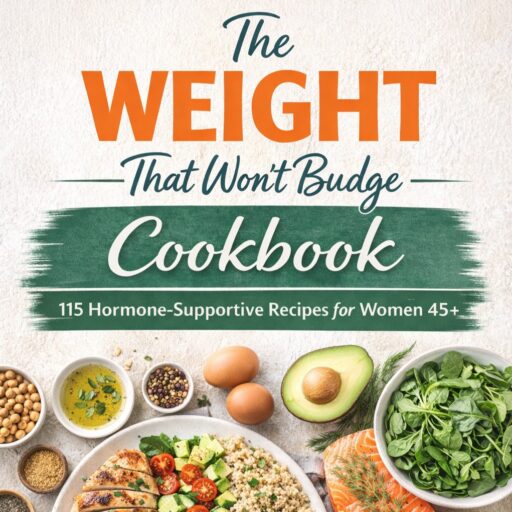
The Weight That Won’t Budge Cookbook