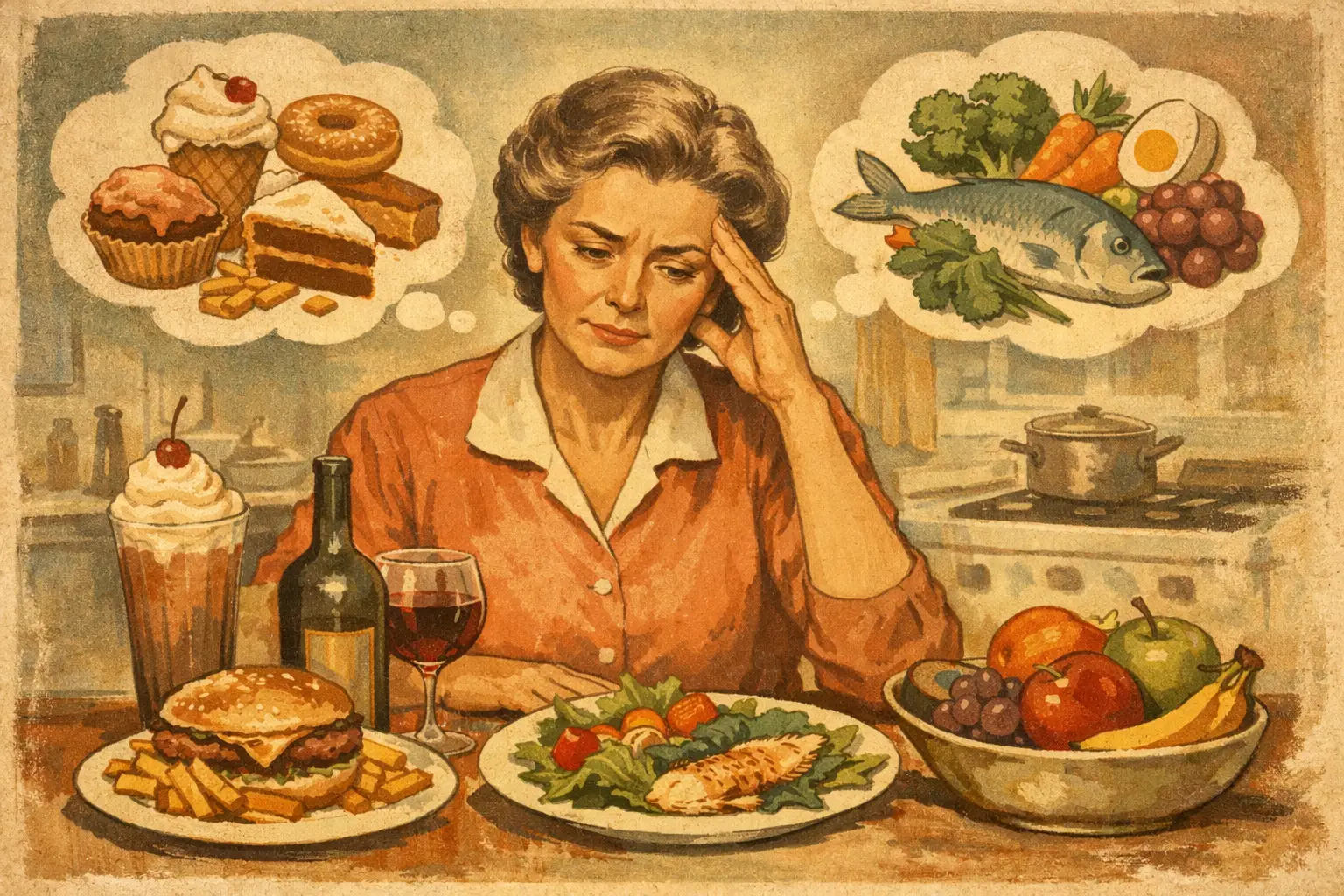
You can eat less, skip dessert, order the salad, and still watch the scale refuse to move. That is exactly why so many women start searching for common menopause diet mistakes – because what used to work in your 30s or even early 40s suddenly stops working. If that sounds familiar, you are not failing. Your body is responding to real hormonal and metabolic changes, and your nutrition strategy may need to catch up.
Menopause changes more than your cycle. It can shift insulin sensitivity, increase appetite swings, affect sleep, change where you store fat, and make stress hit harder. So when you keep using old-school diet rules like eat less and exercise more, the result is often more frustration, more cravings, and less progress.
Why common menopause diet mistakes matter more now
In midlife, your body becomes less forgiving of habits that once seemed harmless. A breakfast that is mostly carbs, long gaps without eating, too little protein, or trying to survive on tiny meals can create bigger blood sugar swings than before. Those swings often lead to cravings, fatigue, irritability, and the urge to snack at night.
This is where many women blame themselves. But the issue is usually not discipline. It is strategy. A menopause-smart way of eating focuses less on punishment and more on blood sugar balance, muscle support, and meals that actually keep you full.
1. Eating too little and calling it healthy
One of the most common menopause diet mistakes is under-eating in the name of weight loss. A yogurt for breakfast, a salad for lunch, and something light for dinner can look healthy on paper. In real life, it often leaves you hungry, tired, and prowling the kitchen after 8 p.m.
When you do not eat enough, especially enough protein and fiber, your body tends to push back. Energy drops, cravings climb, and it becomes harder to stay steady with food choices. Undereating can also make it tougher to preserve muscle, which matters even more in menopause because muscle helps support metabolic health.
A better approach is to build meals that are satisfying, not skimpy. Think protein first, then fiber-rich carbs, healthy fats, and plenty of produce. That could look like eggs with sautéed vegetables and berries, or a chicken salad that actually includes enough chicken, avocado, beans, and a real side instead of a sad pile of lettuce.
2. Skipping protein at breakfast
If breakfast is toast, cereal, fruit, or coffee and nothing else, you are setting yourself up for a harder day. Morning is a powerful time to help stabilize blood sugar and support appetite control. Yet many women start the day with very little protein and then wonder why they are hungry by 10 a.m.
This matters because menopause can make blood sugar more sensitive to high-carb meals eaten alone. A protein-poor breakfast may lead to a quick rise and fall in energy, followed by cravings later on. That does not mean carbs are bad. It means they usually work better when paired with protein and fat.
Try aiming for a breakfast that feels grounding. Greek yogurt with chia seeds and nuts works better than fruit alone. Eggs with roasted sweet potato are more supportive than dry toast. A smoothie can work too, if it includes protein, fiber, and fat rather than just frozen fruit.
3. Treating all calories like they affect your body the same way
Yes, calories matter. But in menopause, food quality and blood sugar impact matter too. Two meals with the same calories can leave you feeling very different. One may keep you full for hours, while the other sends you straight back to the pantry.
This is where generic dieting often misses the mark. A 300-calorie snack pack and a 300-calorie snack with protein, fiber, and healthy fat are not equal when it comes to satiety, cravings, and insulin response. If your meals are technically within budget but leave you ravenous, your plan is probably too weak to support real life.
It helps to ask a different question: Will this meal keep me steady? That small shift can change everything. Instead of focusing only on eating less, focus on eating in a way that creates fewer crashes.
4. Being afraid of carbs instead of choosing them wisely
Many women swing from one extreme to the other. First it is low-fat. Then it is no carbs. Then it is trying to be good all day and ending up face-first in crackers at night. This cycle is exhausting.
Carbs are not the enemy, but the type, timing, and pairing matter. Highly refined carbs eaten by themselves tend to be less helpful during menopause, especially if you are already dealing with energy dips and stubborn belly fat. On the other hand, fiber-rich carbs paired with protein and fat can support better balance.
You do not need to cut out fruit, beans, oats, quinoa, or sweet potatoes. In many cases, these foods are part of a more stable way of eating. The goal is not zero carbs. The goal is fewer blood sugar roller coasters.
5. Ignoring fiber because you are focused only on sugar
Sugar gets all the attention, but fiber is often the missing piece. If you are trying to eat better but still feel hungry soon after meals, low fiber may be part of the problem. Fiber helps with fullness, digestion, blood sugar control, and overall metabolic health.
A lot of midlife women eat less fiber than they realize, especially if meals are built around convenience foods, snack foods, or very small portions. Even a meal that seems healthy can fall short if it is missing vegetables, legumes, berries, seeds, or whole grains.
One easy fix is to stop thinking about fiber as a supplement issue and start thinking about it as a plate-building habit. Add berries to breakfast. Include beans in soups, bowls, or salads. Choose vegetables that you will actually eat, not just the ones you think you should buy. Practical beats perfect every time.
6. Saving most of your food for later
Some women unintentionally backload their calories by eating lightly all day and then having their biggest meals and snacks at night. Sometimes that happens because the day is busy. Sometimes it is because dieting rules have trained them to delay eating as long as possible.
The problem is that this pattern often leads to intense evening hunger, overeating, and the feeling that you have no control around food. If sleep is already shaky because of menopause, late-night eating can make things feel even worse.
It is not that eating at night is automatically bad. It is that arriving at dinner overly hungry rarely ends well. A steadier rhythm during the day usually helps more than trying to white-knuckle your way through on coffee and willpower.
7. Expecting your menopause diet to work without looking at stress and sleep
This may be the most overlooked of all common menopause diet mistakes. Food matters, but it does not work in isolation. If you are sleeping poorly, running on stress, and constantly exhausted, your appetite, cravings, and energy regulation are going to be harder to manage.
That does not mean you need a perfect bedtime routine and a stress-free life. It means your nutrition plan should be realistic about the body you are living in right now. On rough weeks, simpler meals may help more than stricter rules. A high-protein snack in the afternoon may prevent the nighttime crash. A balanced dinner may matter more than trying to be ultra-light.
What to do instead of chasing another restrictive plan
Start with a few strong basics. Build meals around protein. Include fiber-rich carbs instead of fearing them. Add healthy fats so meals are satisfying. Eat enough during the day. Keep blood sugar steadier rather than trying to eat as little as possible.
This can be simple. A good lunch might be grilled chicken, quinoa, greens, and olive oil dressing. A better afternoon snack might be apple slices with peanut butter or cottage cheese with berries instead of crackers alone. Dinner might be salmon, roasted vegetables, and a small serving of potatoes. These are not diet foods. They are hormone-smart, real-life meals.
If you have spent years believing that your body should respond to less food and more restriction, this shift can feel strange at first. But strange does not mean wrong. Often, it means you are finally using an approach that matches this season of life.
You are not broken, and you do not need more punishment disguised as wellness. You need a way of eating that respects what menopause changes and supports what your body needs now. That is where progress starts – not with perfection, but with meals that help you feel steady, nourished, and back in your own corner.
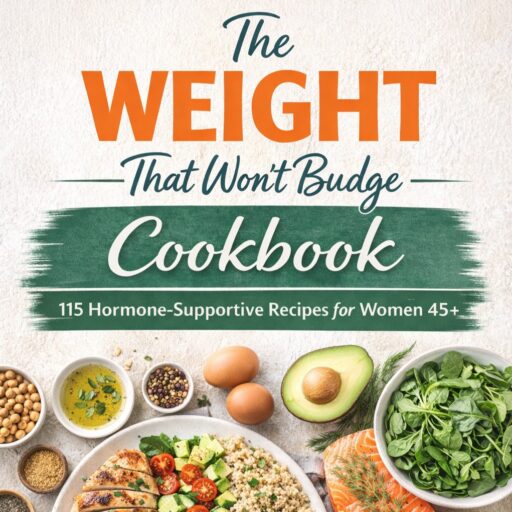
This content is for informational purposes only and is not intended as medical advice The Weight That Won’t Budge Cookbook