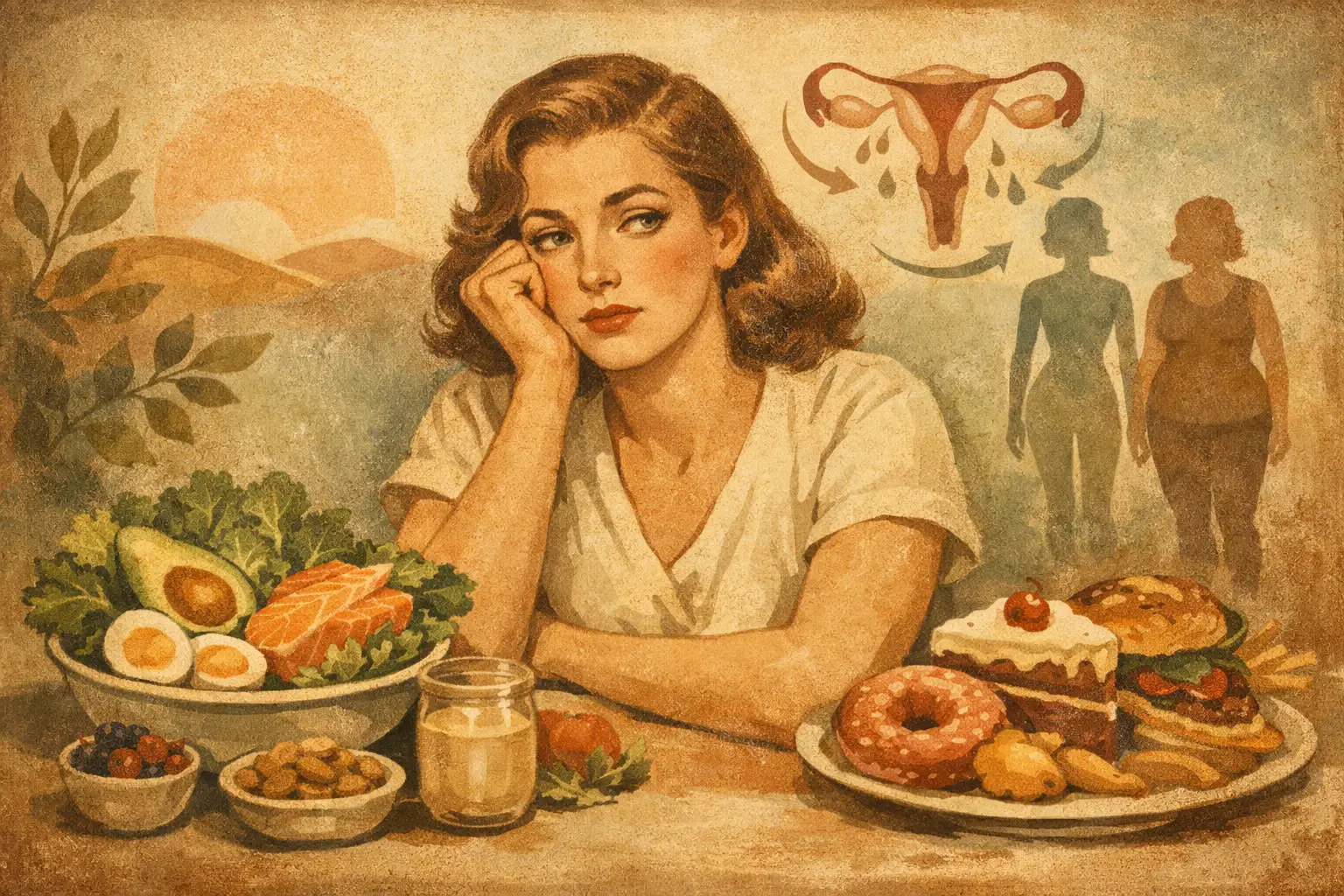
If your usual “eat less and move more” plan suddenly stopped working, that is not your imagination. Figuring out what to eat for hormonal weight gain often starts with one hard truth: midlife weight gain is not just about calories. For many women over 45, shifting estrogen, rising insulin resistance, higher stress, poorer sleep, and muscle loss all start changing how the body handles food.
That is why the answer is not eating tiny salads, skipping meals, or cutting out entire food groups. Those strategies can actually make things worse by increasing cravings, blood sugar swings, fatigue, and overeating later. A hormone-smart way of eating is steadier, more satisfying, and far more realistic for real life.
What to eat for hormonal weight gain in midlife
The best foods for hormonal weight gain are the ones that help stabilize blood sugar, support muscle, reduce inflammation, and keep you full for hours instead of minutes. That usually means building meals around protein, fiber-rich carbohydrates, healthy fats, and plenty of non-starchy vegetables.
Protein matters more than many women realize. In perimenopause and menopause, muscle naturally becomes harder to maintain, and losing muscle can lower metabolic rate over time. Protein helps preserve lean mass, improves fullness, and can make meals feel more grounding. Eggs, Greek yogurt, cottage cheese, chicken, turkey, tuna, salmon, tofu, edamame, and beans can all work well. The exact choice depends on your preferences, budget, and digestion.
Fiber is another major piece of the puzzle. It slows the rise in blood sugar after meals, supports gut health, and helps with satiety. But not all fiber sources work equally well for everyone. Some women do great with beans and lentils, while others feel better starting with berries, chia seeds, oats, roasted vegetables, and smaller portions of legumes. If your digestion is sensitive, increase fiber gradually and drink enough water.
Healthy fats are not the enemy here. In fact, meals that are too low in fat often leave you hungry and unsatisfied. Avocado, nuts, seeds, olive oil, olives, salmon, and nut butters can make meals more balanced and enjoyable. The trade-off is portion awareness. Fats are helpful, but if they crowd out protein and fiber, the meal may not support your goals as well as you think.
Carbohydrates are usually where confusion sets in. Many women have been told to fear them, especially if weight has crept up around the middle. But the issue is usually not all carbs. It is the type, amount, and what you eat them with. A cinnamon roll on an empty stomach is very different from half a sweet potato with salmon and broccoli. Fruit with nuts or yogurt behaves differently than juice alone. Hormone-smart eating is less about banning carbs and more about buffering them.
Why balanced meals work better than dieting harder
Hormonal weight gain often comes with increased blood sugar volatility. You may notice you get shaky if you wait too long to eat, ravenous at night, or tired after a carb-heavy lunch. That does not mean you lack discipline. It often means your meals are not working with your biology.
Balanced meals help because they reduce the sharp spikes and crashes that can drive hunger and fat storage. A useful rule of thumb is to think in meal components, not diet rules. Start with protein. Add fiber-rich produce. Include a smart carbohydrate if you need staying power. Finish with a little healthy fat. This structure is simple, but it is also powerful.
For breakfast, that could look like Greek yogurt with chia seeds, berries, and a few walnuts. It could be eggs with sautéed spinach and a slice of sprouted grain toast. It could even be a smoothie, if it includes enough protein and does not turn into a sugar bomb. A smoothie made with protein powder, frozen berries, spinach, flax, and unsweetened almond milk is very different from one built around banana, juice, and honey.
For lunch, think less about eating light and more about eating smart. A salad can work, but only if it is substantial. Greens topped with grilled chicken, chickpeas, cucumbers, tomatoes, pumpkin seeds, and olive oil dressing will carry you much farther than a bowl of lettuce with a few carrot shreds. Soup can also be a strong option if it includes protein and vegetables, especially alongside something more filling like cottage cheese or a boiled egg.
Dinner is often where women either under-eat all day and overdo it at night, or rely on comfort foods because energy is gone. This is where simple combinations win. Salmon with roasted Brussels sprouts and quinoa. Ground turkey with cauliflower rice, black beans, salsa, and avocado. Chicken thighs with green beans and a small baked sweet potato. None of these meals are trendy. That is the point. They are satisfying, repeatable, and kind to your hormones.
The foods that tend to make hormonal weight gain harder
There is no need for moral language around food, but some foods do make midlife symptoms and weight struggles harder to manage when they become daily staples. Highly refined carbs, sugary drinks, pastries, frequent grazing, and meals built around convenience foods can all push blood sugar up quickly without giving much satiety in return.
This does not mean you can never have dessert or bread again. It means context matters. If you eat sweets, having them after a meal with protein and fiber may feel very different in your body than eating them alone in the afternoon when you are already stressed and depleted. If you love pasta, a smaller portion paired with chicken, vegetables, and olive oil will generally serve you better than a giant bowl by itself.
Alcohol is another area where honesty helps. Many women notice that even moderate drinking affects sleep, appetite, and belly fat in midlife more than it used to. That does not mean you must give it up forever. But if you are doing all the right things and still feel stuck, alcohol is worth looking at closely.
What to eat for hormonal weight gain when cravings are intense
Cravings are often treated like a character flaw. They are not. In midlife, cravings can be fueled by unstable blood sugar, poor sleep, stress, under-eating earlier in the day, and low protein intake. The most effective way to reduce them is usually not more restriction. It is better nourishment, earlier.
If evenings are your hardest time, look at breakfast and lunch first. A protein-poor breakfast like toast or fruit alone can set the stage for cravings later. A lunch that is too small can do the same. Many women find that when they eat 25 to 35 grams of protein at meals and stop skipping lunch, nighttime snacking becomes much easier to manage.
There is also room for strategic snacks if your schedule demands them. Good options include apple slices with peanut butter, cottage cheese with berries, a hard-boiled egg with carrots, or plain Greek yogurt with cinnamon. The goal is not to snack constantly. It is to prevent the kind of crash that sends you straight into the pantry.
A simple way to build your plate
If you feel overwhelmed by nutrition advice, keep it visual. Aim for about half your plate in non-starchy vegetables, a solid serving of protein, and a portion of smart carbs or healthy fat based on your hunger, activity, and blood sugar response. Some women feel better with more carbs at lunch and fewer at dinner. Others sleep better with a small portion of starch in the evening. This is where paying attention matters more than following a rigid rule.
You are not trying to eat perfectly. You are trying to eat in a way that helps your body feel safe, steady, and supported. That usually looks boring to diet culture, and that is fine. Boring meals that regulate appetite and energy are often exactly what a hormonally stressed body needs.
If you want a practical place to start, pick one meal each day and make it more balanced this week. Not smaller. More balanced. That shift alone can change your hunger, energy, and momentum faster than another round of restriction.
You are not broken, and your body is not betraying you. It is asking for a different kind of support now. The more consistently you answer with protein, fiber, steady meals, and realistic choices, the more your body has a chance to respond.
This content is for informational purposes only and is not intended as medical advice
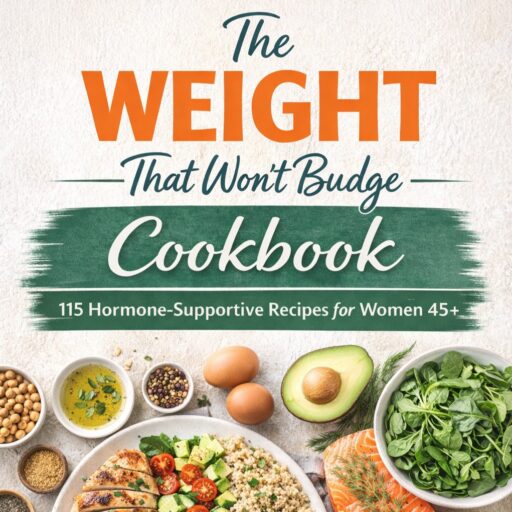
The Weight That Won’t Budge Cookbook