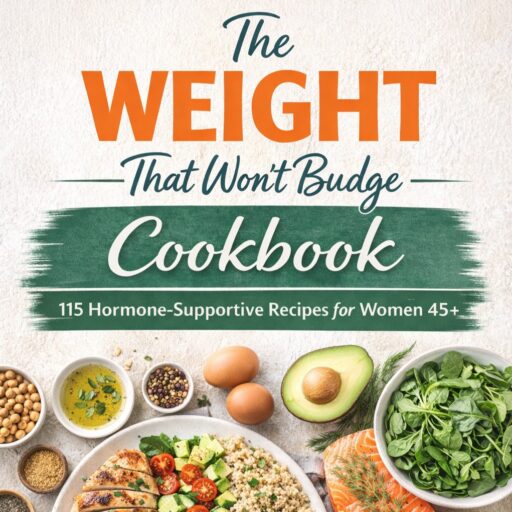

If your old go-to meals suddenly leave you hungry, tired, or gaining weight anyway, that is not your imagination. Menopause recipes need to do more than look healthy on a plate. They need to work with your changing hormones, support blood sugar balance, and help you feel satisfied for more than an hour.
This is where many women over 45 get stuck. You eat less, choose the salad, skip dessert, and still feel like your body is ignoring all your effort. You are not broken. Midlife changes can affect insulin response, appetite, sleep, stress resilience, and where your body stores fat. The food that worked at 35 often does not work the same way at 50.
What makes menopause recipes different?
The best menopause recipes are built around steadier energy, better blood sugar control, and real satisfaction. That usually means a meal includes protein, fiber, healthy fat, and smart carbohydrates instead of relying on low-fat, low-calorie thinking.
A lot of traditional diet meals are too light to be useful. A bowl of plain greens with a few cucumber slices may look virtuous, but it often sets you up for cravings later. On the other hand, a meal with enough protein, cooked vegetables, fiber-rich carbs, and a little healthy fat can help you feel calm and full instead of constantly negotiating with hunger.
That does not mean every meal needs to be perfect. It means your recipes should stop fighting your physiology. Midlife nutrition works better when it is steady, balanced, and realistic.
The formula behind effective menopause recipes
You do not need complicated rules. Most meals work better when they start with a solid protein source like eggs, Greek yogurt, chicken, salmon, turkey, tofu, cottage cheese, or beans paired with another protein. Then add fiber from vegetables, berries, lentils, chia seeds, or oats. Healthy fats like avocado, olive oil, nuts, or seeds help with satiety, and a moderate portion of smart carbs can support energy without sending blood sugar on a roller coaster.
The exact mix depends on your body and your day. Some women do well with oats at breakfast, while others feel better with eggs and vegetables. Some tolerate beans beautifully. Others need to be more careful with starchy foods at dinner if evening cravings are a problem. It depends, and that is normal.
5 menopause recipes worth repeating
These recipes are simple on purpose. You do not need gourmet food. You need meals you will actually make on a busy Tuesday.
1. Greek yogurt berry chia bowl
Start with plain Greek yogurt, then add a handful of berries, one tablespoon of chia seeds, chopped walnuts, and a sprinkle of cinnamon. If you want a little more staying power, add a spoonful of almond butter.
This works because it combines protein, fiber, and fat without a blood sugar crash. It is also fast, which matters. A breakfast that takes three minutes is more likely to happen than a breakfast that requires a cutting board and a motivational speech.
2. Veggie egg scramble with avocado
Cook eggs with spinach, mushrooms, onions, and bell peppers in olive oil. Top with sliced avocado and a side of berries or half a piece of whole grain toast if you need more carbohydrate.
This is one of the most useful menopause recipes because it is flexible. If you wake up hungry, this meal can hold you. If mornings are stressful, it gives your body something more stable than coffee alone.
3. Salmon quinoa power bowl
Layer cooked salmon over quinoa with arugula, cucumber, shredded carrots, and roasted broccoli. Dress it with olive oil, lemon, and a little Dijon mustard.
This meal checks a lot of boxes for midlife women. Salmon offers protein and healthy fats, quinoa adds fiber and carbohydrates, and the vegetables bring volume without leaving you unsatisfied. If quinoa does not work well for you, swap in cauliflower rice or lentils.
4. Turkey lettuce wraps with crunchy slaw
Cook ground turkey with garlic, ginger, and coconut aminos or a low-sugar savory sauce. Spoon it into romaine or butter lettuce leaves and top with shredded cabbage, carrots, and sliced green onions. Add a few cashews for crunch.
This is a good example of a lighter meal that still feels complete. The protein keeps it grounding, and the slaw adds texture and fiber. If lettuce wraps feel too light for dinner, add a side of roasted sweet potato. That is the kind of adjustment that makes a recipe sustainable.
5. Sheet pan chicken with Brussels sprouts and sweet potato
Roast chicken thighs or breasts on a sheet pan with Brussels sprouts, red onion, and cubed sweet potato tossed in olive oil, garlic, salt, pepper, and paprika.
This is practical, affordable, and easy to batch cook. It also works well for women who need dependable lunches. Leftovers matter more than people admit. Sometimes the best recipe is the one that keeps you from grabbing crackers at 2 p.m.
Common recipe mistakes that can make symptoms and weight struggle worse
One of the biggest problems is building meals around carbs and calling them healthy. Oatmeal with banana and honey, a smoothie made mostly from fruit, or toast with a little nut butter may seem like a good choice, but for many women in menopause, those meals are not balanced enough to prevent hunger and energy dips.
Another issue is fear of fat. Years of diet culture taught women to choose low-fat everything, but that often leads to meals that are technically lower in calories and much easier to overeat later. A little olive oil, avocado, nuts, or full-fat plain yogurt can make a meal more satisfying and more stable.
Then there is the salad trap. Salads are not the enemy, but they need substance. If your salad has lettuce, a few chickpeas, and fat-free dressing, it is probably not enough. Add chicken, salmon, boiled eggs, pumpkin seeds, avocado, or lentils paired with a stronger protein source so the meal actually carries you through the afternoon.
How to build menopause recipes for real life
You do not need a full meal plan to start eating in a more hormone-smart way. You need a few reliable combinations you can rotate without thinking too hard. That might look like eggs and vegetables in the morning, a protein bowl for lunch, and a simple sheet pan dinner with leftovers for the next day.
It also helps to stop judging meals by how little you ate. A better question is whether the meal helped you feel steady, satisfied, and less snacky later. That shift matters because white-knuckling hunger is not a long-term strategy. It usually backfires, especially when sleep is poor and stress is high.
Batch cooking one protein, one roasted vegetable, and one smart carb each week can make menopause recipes much easier to pull together. For example, if you have grilled chicken, roasted broccoli, and cooked quinoa ready in the fridge, lunch stops being a crisis.
A simple day of menopause-friendly meals
Breakfast could be a veggie egg scramble with avocado. Lunch might be a salmon quinoa bowl with plenty of crunchy vegetables. Dinner could be sheet pan chicken with Brussels sprouts and sweet potato. If you need a snack, choose something with protein, such as cottage cheese with berries, apple slices with almond butter, or turkey roll-ups with cucumber.
That kind of day is not trendy, and that is exactly the point. It is stable. It respects what your body needs now instead of what a diet plan promised ten years ago.
If you have been frustrated by weight that will not move, start here. Build meals that are more balanced, more filling, and less driven by diet rules that were never designed for menopause in the first place. Small shifts in your recipes can create much bigger changes in energy, cravings, and consistency over time.
You do not need to earn your food by being perfect. You need meals that support the body you live in now, with honesty, nourishment, and enough structure to make healthy choices easier.
This content is for informational purposes only and is not intended as medical advice The Weight That Won’t Budge Cookbook