That moment when you realize the same meals that used to keep your weight steady now leave you bloated, hungry, and stuck is more than frustrating. A good menopause nutrition guide starts with this truth: you are not broken, and your body is not suddenly ignoring healthy habits for no reason. Midlife hormones change how you respond to carbs, stress, sleep loss, and even long gaps between meals.
If you have been eating less, trying to be “good,” and still watching the scale climb, the issue is often not effort. It is strategy. Menopause and perimenopause can shift insulin sensitivity, increase cravings, disrupt sleep, and make muscle loss easier. That combination can raise fat storage, especially around the middle, even when your routine looks healthy on paper.
What changes in menopause nutrition
Estrogen helps influence insulin action, appetite signals, and where fat is stored. As estrogen becomes more erratic and then declines, blood sugar can feel less stable. You may notice stronger crashes after a carb-heavy breakfast, more evening snacking, or a sudden inability to “burn off” indulgences the way you once did.
At the same time, many women over 45 are quietly losing muscle. That matters because muscle helps you use glucose well and supports metabolic health. Add in poor sleep, a packed schedule, and rising stress hormones, and your body gets more reasons to hold on to energy instead of using it efficiently.
This is why old-school diet advice often backfires. Eating tiny salads, skipping meals, or relying on low-fat snack foods can leave you undernourished and more reactive to blood sugar swings. What feels like a discipline problem is often a physiology problem.
A menopause nutrition guide built around blood sugar
The most useful menopause nutrition guide is not about cutting everything out. It is about building meals that keep blood sugar steadier, support hormones, and help you feel satisfied long enough to stop the constant food chatter.
Start with protein. Many women are not eating enough of it, especially at breakfast. If your morning meal is toast, fruit, or oatmeal by itself, you may be hungry again fast. A more supportive breakfast might include eggs with sauteed vegetables, Greek yogurt with chia and berries, or a smoothie with protein, flax, and nut butter. The goal is not perfection. The goal is to stop starting your day on a blood sugar roller coaster.
Fiber matters just as much. It helps slow digestion, supports fullness, and benefits gut health, which can also shift during menopause. Vegetables, beans, berries, chia seeds, ground flax, and lentils can do a lot of heavy lifting here. If your meals are mostly beige carbs with a token side salad, there is room for a simple upgrade.
Healthy fats help too, especially when they are part of a balanced meal instead of an afterthought. Avocado, olive oil, nuts, seeds, and fatty fish can improve satisfaction and support hormone health. The trade-off is portion awareness. Fats are helpful, but pouring olive oil on everything while also eating low protein and low fiber will not solve the problem.
What to eat more often
Think less about dieting and more about assembling meals that work with your midlife metabolism. In practical terms, that usually means a plate anchored by protein, paired with fiber-rich produce, and rounded out with a smart carb or healthy fat depending on your needs and activity.
Protein-rich foods like eggs, cottage cheese, Greek yogurt, chicken, turkey, fish, tofu, tempeh, and lean beef can make meals more stabilizing. Nonstarchy vegetables such as broccoli, zucchini, greens, peppers, cauliflower, cucumbers, and asparagus add volume and fiber without pushing blood sugar too hard. Smart carbs like beans, lentils, sweet potatoes, quinoa, berries, and oats can absolutely fit, but they tend to work better when paired with protein instead of eaten alone.
This does not mean you can never have bread, pasta, or dessert. It means those foods are easier on your system when they are not the whole meal. A bowl of pasta by itself may leave you sleepy and hungry later. Pasta with chicken, vegetables, and olive oil is a different experience.
Foods that may work against you
This is where nuance matters. There is no universal menopause blacklist, and you do not need fear-based food rules. But there are patterns that commonly make midlife symptoms and weight struggles worse.
Highly processed carbs eaten on their own can spike and crash blood sugar quickly. Sugary coffee drinks, pastries, crackers, chips, and cereal often create a short burst of energy followed by cravings. Alcohol can also become less forgiving in midlife. For some women, even a couple of drinks can worsen sleep, intensify night sweats, and increase next-day hunger.
Ultra-low-calorie eating is another hidden problem. It can seem logical to eat less when weight is up, but too little food often leads to more stress eating later, lower energy, and less support for muscle maintenance. If you are constantly white-knuckling hunger, your plan is probably too restrictive to help.
How to build meals that actually satisfy you
A simple formula can take a lot of pressure off. Start with a palm-sized protein source. Add at least one to two cups of vegetables or another fiber-rich plant food. Then include either a moderate serving of quality carbs or a healthy fat, and sometimes both depending on the meal.
Lunch might be grilled chicken over a big salad with chickpeas, cucumber, tomatoes, and olive oil vinaigrette. Dinner could be salmon, roasted Brussels sprouts, and a small baked sweet potato. If you need a snack, make it worth eating. Apple slices with peanut butter, cottage cheese with berries, or turkey roll-ups work better than random handfuls of crackers.
The point is satisfaction. When meals are balanced, cravings often soften because your body is no longer chasing fast energy every few hours.
Menopause nutrition guide mistakes women make
One common mistake is saving most of your food for later in the day. Skipping breakfast or having a tiny lunch can feel productive, but it often leads to evening overeating when willpower is lowest and hunger is highest. Another mistake is leaning too hard on “healthy” carbs without enough protein. Smoothie bowls, granola, rice cakes, and fruit-only snacks can all look clean while still setting off cravings.
There is also the trap of trying to out-exercise a nutrition pattern that is not supporting your hormones. More workouts are not always the answer if your meals are under-fueling you or sending blood sugar up and down all day. It depends on your stress load, sleep, and recovery.
A realistic day of eating in menopause
A hormone-smart day does not need to be fancy. Breakfast could be eggs with spinach and a side of berries. Lunch might be leftover salmon with quinoa and roasted vegetables. Dinner could be taco bowls with seasoned turkey, lettuce, salsa, avocado, black beans, and cauliflower rice or brown rice. A snack, if needed, could be plain Greek yogurt with cinnamon and walnuts.
That kind of eating pattern is not extreme, and that is the point. It is repeatable. It supports blood sugar, gives your body enough protein, and makes it easier to stay consistent on busy days.
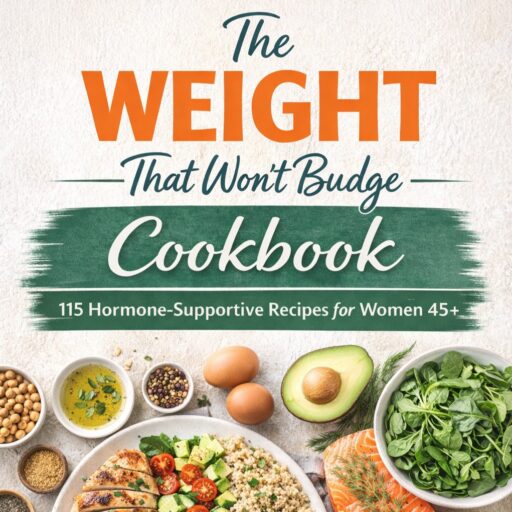
If cooking feels like one more job, keep it simple. Use rotisserie chicken, frozen vegetables, bagged salad mixes, hard-boiled eggs, canned tuna, and pre-cooked grains strategically. The Weight That Won’t Budge approach works best when healthy eating is practical enough to survive real life.
When it depends
Not every woman feels best on the exact same carb intake, meal timing, or dairy choices. If you are very active, you may do better with more carbs than someone who is mostly sedentary. If hot flashes are severe, alcohol or spicy foods may be worth watching. If digestion has changed, you may need to increase fiber more gradually instead of all at once.
This is why paying attention matters more than chasing a rigid plan. Look for patterns in your energy, cravings, sleep, and hunger. The right nutrition approach should make your body feel calmer, not harder to manage.
A helpful place to begin is not with another cleanse or another promise to eat perfectly on Monday. It is with your next meal. Build it around protein, add fiber, include foods that satisfy you, and let consistency do the work that dieting never could.
This content is for informational purposes only and is not intended as medical advice
The Weight That Won’t Budge Cookbook