If you feel like your body suddenly started playing by different rules after 45, you are not imagining it. A meal plan for insulin resistance can help when the old advice – eat less, move more, skip dessert – stops working and your energy, cravings, and waistline all seem to push back.
For many women in midlife, the issue is not a lack of discipline. It is that blood sugar regulation has become more fragile, and your meals now matter in a different way. When insulin is elevated too often, your body has a harder time accessing stored fat, hunger gets louder, and those afternoon crashes can feel almost automatic. That is why a smarter plan is not about eating perfectly. It is about eating in a way that steadies your system.
What a meal plan for insulin resistance should actually do
A good plan should keep you full, reduce blood sugar spikes, and make meals feel realistic for a busy week. It should not ask you to live on tiny salads, cut every carb, or cook from scratch three times a day.
The basic idea is simple. Each meal works better when it combines protein, fiber, healthy fat, and a moderate portion of quality carbohydrates. That mix slows digestion and helps prevent the fast rise and fall in blood sugar that can leave you tired, hungry, and reaching for snacks an hour later.
This also matters because insulin resistance often shows up in ways that get brushed off as normal aging – stubborn belly fat, cravings, brain fog, fatigue after meals, and feeling hungry even when you are trying to eat healthy. You are not broken. Your body just needs a different kind of support.
The easiest structure to follow
Instead of counting every calorie or tracking every gram, think in meal-building categories. That keeps things practical.
Start with protein first. Most women do better when meals include a meaningful amount of protein rather than a token amount. Eggs, Greek yogurt, cottage cheese, chicken, turkey, salmon, tuna, tofu, and lean beef can all work.
Then add fiber-rich produce and smart carbs. Nonstarchy vegetables are the easiest foundation, but you do not need to fear carbohydrates. Beans, lentils, berries, oats, quinoa, sweet potato, and brown rice can fit beautifully when portions are reasonable and paired with protein.
Healthy fats help too. Avocado, olive oil, nuts, seeds, and nut butter add satisfaction and help meals last. The trade-off is that fats are calorie-dense, so more is not always better. Enough to feel satisfied is usually the sweet spot.
A lot of women do well with three balanced meals and, if needed, one protein-forward snack. Some feel better with breakfast, while others prefer a later first meal. It depends on your hunger patterns, medications, sleep, stress, and activity level. The goal is not to force a schedule. It is to avoid the all-day grazing or under-eating-then-overeating cycle that keeps blood sugar unstable.
A simple 3-day meal plan for insulin resistance
Here is a realistic framework you can repeat, mix, and adjust.
Day 1
Breakfast could be Greek yogurt topped with berries, chia seeds, and a small handful of walnuts. This works because the protein and fat soften the impact of the fruit, and the fiber helps keep you full longer.
Lunch might be a grilled chicken salad that actually satisfies you – mixed greens, cucumber, tomatoes, avocado, chickpeas, and olive oil vinaigrette. If salads leave you hungry, it is usually because they are too light on protein and too low in staying power.
Dinner could be baked salmon with roasted broccoli and a small serving of quinoa. This is one of those meals that feels simple but checks every box for blood sugar support.
If you need a snack, try apple slices with almond butter or cottage cheese with cinnamon.
Day 2
Breakfast could be two eggs scrambled with spinach and mushrooms, plus half a slice or one slice of whole-grain toast depending on your hunger. Some women feel better with a savory breakfast because it cuts down cravings later in the day.
Lunch might be a turkey lettuce wrap plate with sliced veggies, hummus, and a side of berries. If you want something heartier, add a small portion of brown rice or black beans.
Dinner could be taco bowls made with lean ground turkey, cauliflower rice or regular brown rice, shredded lettuce, salsa, avocado, and black beans. This is a good example of how a familiar meal can be adjusted without feeling restrictive.
A good snack option is a boiled egg with a few almonds, or plain Greek yogurt if you need something more substantial.
Day 3
Breakfast could be overnight oats made with rolled oats, chia seeds, unsweetened protein-rich yogurt or milk, cinnamon, and a few berries. Oats can work for insulin resistance when the portion is sensible and they are not loaded with sweeteners.
Lunch might be leftover salmon over greens with cucumber, pumpkin seeds, and olive oil dressing. Leftovers are not boring when they save you from grabbing whatever is easiest at 2 p.m.
Dinner could be a stir-fry with chicken or tofu, broccoli, snap peas, bell peppers, and a modest serving of brown rice. If rice tends to spike your hunger, use less and increase the vegetables and protein.
For a snack, try celery with peanut butter or a small portion of cottage cheese with cucumber and everything seasoning.
The foods that tend to help most
The best foods for insulin resistance are not trendy. They are steady. Protein-rich foods, high-fiber vegetables, legumes, berries, plain yogurt, eggs, fish, and minimally processed carbs tend to work better than foods that hit your bloodstream fast.
That means sweet drinks, pastries, white bread, oversized pasta portions, sugary cereal, and snack foods often create the exact roller coaster you are trying to avoid. That does not mean you can never eat them. It means they work better as occasional choices, ideally paired with protein and eaten in portions that do not set off cravings for the rest of the day.
This is where many women get tripped up. A smoothie can sound healthy but still act like dessert if it is mostly fruit juice, banana, and honey. Oatmeal can be helpful or it can leave you hungry an hour later. The difference is usually what else is in the meal.
Common mistakes that make a healthy plan backfire
One of the biggest mistakes is eating too little earlier in the day. A coffee for breakfast and a small salad for lunch can look disciplined on paper, but it often leads to evening hunger, nighttime snacking, and stronger cravings the next day.
Another common issue is focusing only on cutting sugar while ignoring overall meal balance. Even meals that are low in obvious sugar can spike blood sugar if they are heavy on refined starch and low in protein.
There is also the temptation to go extremely low-carb overnight. Some women feel great with a lower-carb approach, but others end up tired, constipated, or stuck in an all-or-nothing cycle. A moderate, sustainable plan usually beats an extreme one you cannot keep up with.
How to make this work in real life
You do not need a perfect fridge or a color-coded container system. You need a short list of repeat meals that make your week easier.
Pick two breakfasts, two lunches, and three dinners you can rotate. Keep protein ready to go, whether that is hard-boiled eggs, cooked chicken, yogurt, tuna packets, or turkey burgers. Wash produce ahead of time if that helps, but frozen vegetables are just as useful and often more realistic.
When life gets hectic, use a simple question: where is the protein, where is the fiber, and what will make this meal satisfying enough that I am not hunting for sugar an hour later? That one habit can change a lot.
A meal plan for insulin resistance does not need to be fancy to be effective. It needs to be consistent, balanced, and built around the reality that your body may need steadier support now than it did ten or twenty years ago.
If you have spent years blaming yourself for weight that will not budge, this is your reminder that your body is asking for strategy, not punishment. Start with one balanced breakfast, one better lunch, and one dinner that keeps you full. Small corrections add up, and they often work far better than another round of dieting.
This content is for informational purposes only and is not intended as medical advice
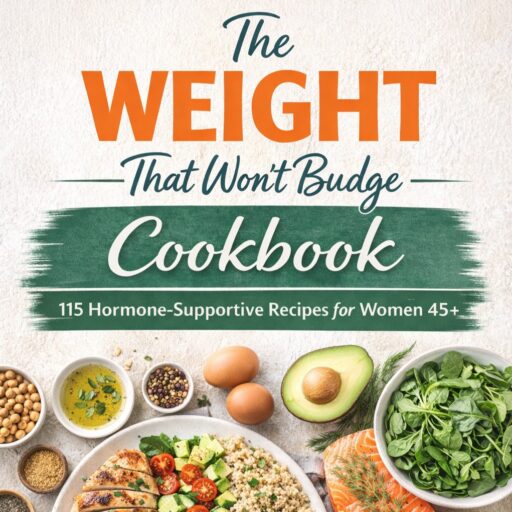
The Weight That Won’t Budge Cookbook