If you feel like you are eating “healthy” but your energy still crashes, your cravings keep showing up, and the scale refuses to move, foods that spike insulin levels may be part of the picture. This is especially true after 45, when changing hormones can make your body more sensitive to blood sugar swings and less forgiving of meals that looked harmless in your 30s.
That does not mean you have done anything wrong. It means the old advice to just eat less and move more misses a big piece of the story. Insulin matters, and some foods raise it faster and higher than most women realize.
What insulin actually does in midlife
Insulin is a hormone that helps move sugar from your bloodstream into your cells. You need it. The problem is not insulin itself. The problem is frequent, repeated spikes that can leave you on a roller coaster of hunger, fatigue, and stubborn fat storage.
During perimenopause and menopause, shifting estrogen levels can make blood sugar regulation less steady. Add stress, poor sleep, less muscle mass, and years of dieting, and suddenly the breakfast that used to “work” now leaves you hungry by 10 a.m. This is why a hormone-smart approach matters. You are not broken. Your body just needs a different kind of support now.
Foods that spike insulin levels the fastest
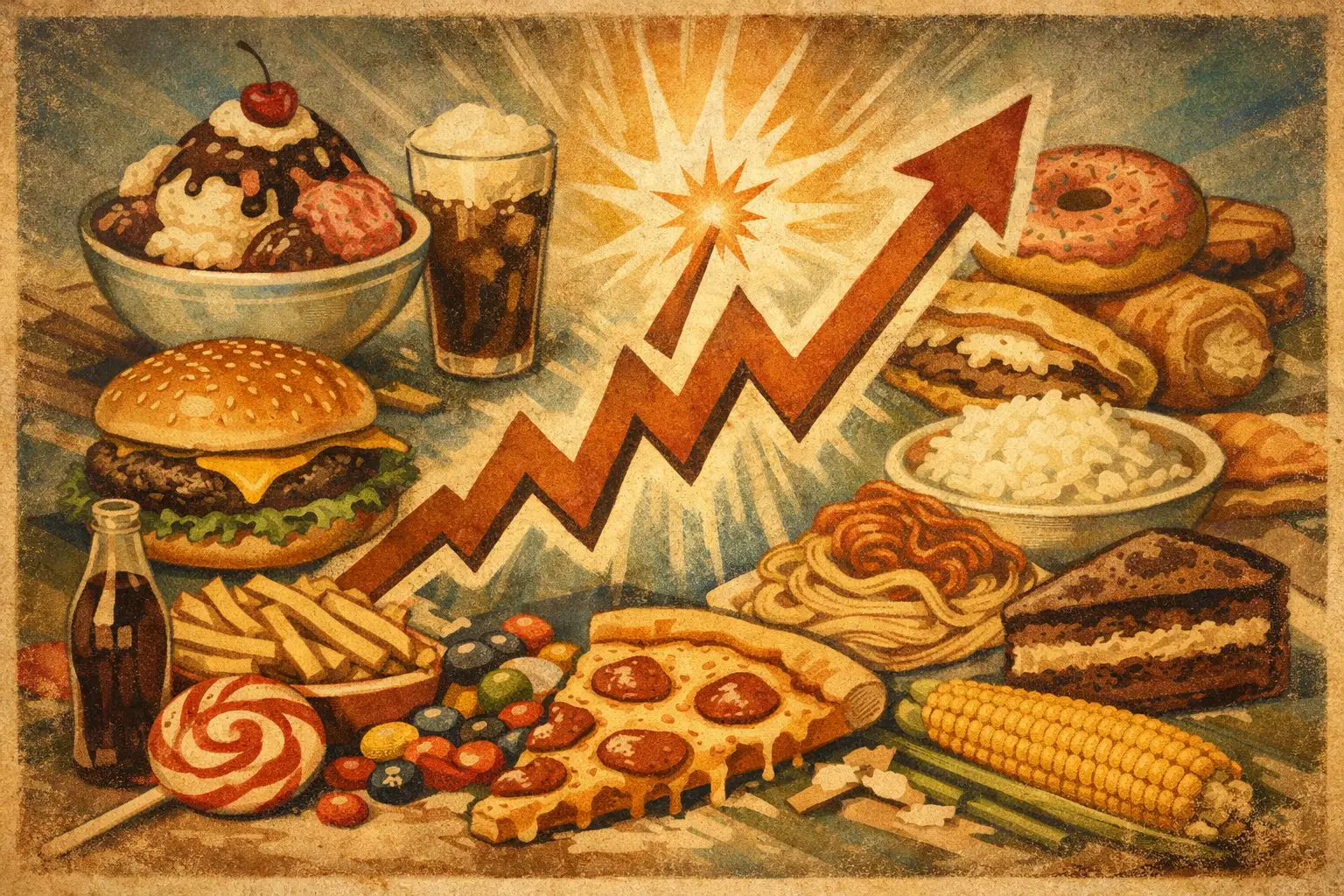
Not every body responds the exact same way, but some foods are far more likely to trigger a sharp insulin response, especially when eaten alone or in large portions.
Sugary drinks
Sweet tea, regular soda, juice, energy drinks, and fancy coffee drinks are some of the quickest ways to flood your bloodstream with sugar. Because liquid sugar is absorbed fast and does not require much digestion, your body has to respond quickly.
This is one reason a morning coffee that looks small on paper can still work against your goals if it is loaded with syrup, sweetened creamers, or whipped toppings. You may not think of it as a dessert, but your body often does.
Breakfast cereals and granola
Many cereals marketed as heart-healthy or low-fat are basically fast carbs in a box. Even granola can be surprisingly dense in sugar, dried fruit, and starch. These foods often digest quickly and do very little to keep you full.
If breakfast tends to be cereal, milk, and fruit, you may be setting yourself up for a midmorning crash. A better breakfast for midlife metabolism usually includes protein, fiber, and fat together.
White bread, bagels, and crackers
Refined flour breaks down quickly into glucose. Bagels are especially sneaky because they often pack a very large carbohydrate load in one sitting, with little fiber to slow things down.
Crackers can seem light and controlled, but they are easy to overeat and often leave you unsatisfied. When refined carbs are your go-to snack, insulin tends to rise often throughout the day.
White rice and instant rice products
Rice is not automatically bad, but white rice and instant rice products are digested much faster than less processed options. Portion size matters here. A large bowl of rice with very little protein or non-starchy vegetables can create a bigger blood sugar and insulin spike than many women expect.
If you love rice, you do not need to swear it off forever. It usually works better in smaller portions, paired with protein, healthy fat, and plenty of fiber.
Baked goods and “healthy” muffins
Muffins, pastries, banana bread, and coffee shop baked goods are often marketed as breakfast foods, but metabolically they act more like dessert. Even the versions labeled bran, multigrain, or low-fat can still be packed with flour and sugar.
This matters because many women are trying to be good, not realizing they are starting the day with a meal that pushes insulin up and keeps hunger turned on.
Fat-free flavored yogurt
Yogurt can be a great food, but the fat-free flavored versions are often loaded with added sugar. Removing fat also makes the product less satisfying, which can leave you hungry sooner.
A better choice is plain Greek yogurt with berries, chia seeds, or a few nuts. You still get convenience, but with a much steadier effect.
Candy, cookies, and snack bars
This one is obvious, but it is still worth saying because many snack bars wear a health halo. If the bar tastes like dessert and has a long ingredient list full of syrups, crisped rice, or added sugars, it is probably not doing your insulin any favors.
The bigger issue is not just the spike. It is the follow-up crash that can trigger more snacking, more cravings, and the feeling that you have no willpower. That is biology, not a character flaw.
Frozen low-fat meals
A lot of older diet culture taught women to fear fat and calories, so low-fat frozen meals became a go-to. The problem is that many of these meals replace satisfaction with starch. Pasta, white rice, sugary sauces, and very little protein is a common pattern.
You finish the meal, but you are still hunting for something sweet an hour later. That is often a sign the meal did not support stable blood sugar.
Potato products made from processed starch
A baked potato with protein and vegetables is different from fries, chips, or instant mashed potatoes. Processing changes how fast a food digests, and many potato snacks are designed to be easy to overeat.
This is where context matters. Whole foods in balanced meals usually behave differently than highly processed versions eaten alone.
“Healthy” smoothies
Smoothies can go either way. If they are made with fruit juice, sweetened yogurt, honey, banana, and very little protein, they can spike insulin quickly. They are especially tricky because they look clean and wholesome.
A smoothie becomes much more supportive when it includes protein, fiber, and healthy fat, and when the sugar load is kept reasonable.
Why these foods hit harder after 45
The same muffin or bowl of cereal you ate at 35 may not have the same effect now. Midlife often brings lower estrogen, changes in cortisol, poorer sleep, and a gradual loss of muscle if strength training is not part of your routine. All of that can reduce insulin sensitivity.
That means your body may need to produce more insulin to handle the same meal. Over time, that pattern can make fat loss feel harder, especially around the midsection. It can also leave you feeling tired, irritable, and hungry in ways that seem out of proportion to what you ate.
How to eat fewer foods that spike insulin levels
This is not about fear or perfection. It is about building meals that work with your hormones instead of against them.
Start by anchoring meals with protein. Eggs, Greek yogurt, cottage cheese, chicken, salmon, tuna, turkey, tofu, and lean beef can all help slow digestion and keep you full longer. Then add fiber from vegetables, berries, beans, or chia seeds, and include healthy fat from avocado, nuts, seeds, olive oil, or full-fat dairy if it works for you.
You also want to be careful with naked carbs, meaning carbs eaten by themselves. Toast alone, fruit alone, crackers alone, or a granola bar alone often set off that blood sugar roller coaster. Pairing carbs with protein and fat usually changes the response dramatically.
Timing matters too. If you go all day under-eating and then crash into a carb-heavy dinner, your body may struggle more than if you ate balanced meals earlier. Simple consistency often helps more than extreme restriction.
Better swaps that still feel realistic
Instead of a bagel, try eggs with one slice of sprouted toast and avocado. Instead of sugary cereal, try Greek yogurt with berries and walnuts. Instead of a sweet coffee and muffin, try a protein-rich breakfast and keep your coffee simple.
If you want something crunchy in the afternoon, pair apple slices with peanut butter or have cottage cheese with cucumber and everything seasoning. If rice is part of dinner, shrink the portion and build the rest of the plate around protein and vegetables.
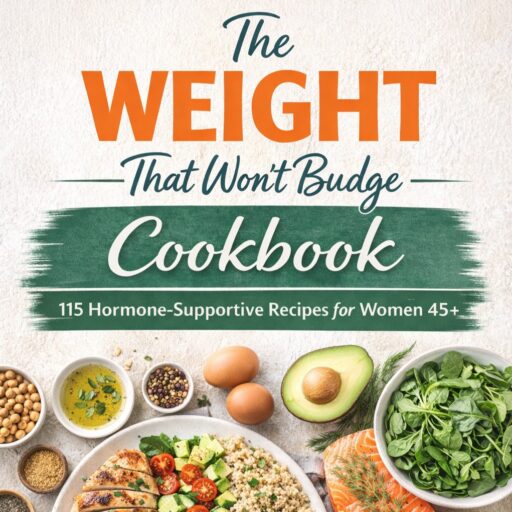
This is the kind of practical shift we focus on at The Weight That Won’t Budge – not punishing food rules, but smarter combinations that make your body feel safe, steady, and supported.
The goal is not to never eat foods that spike insulin levels. The goal is to stop eating them in ways that leave you tired, hungry, and stuck. A meal does not have to be perfect to be better. One balanced breakfast, one steadier snack, one more supportive dinner at a time can change a lot.
If your body has been asking for a different approach, this is your reminder to listen with compassion instead of blame.
This content is for informational purposes only and is not intended as medical advice
The Weight That Won’t Budge Cookbook