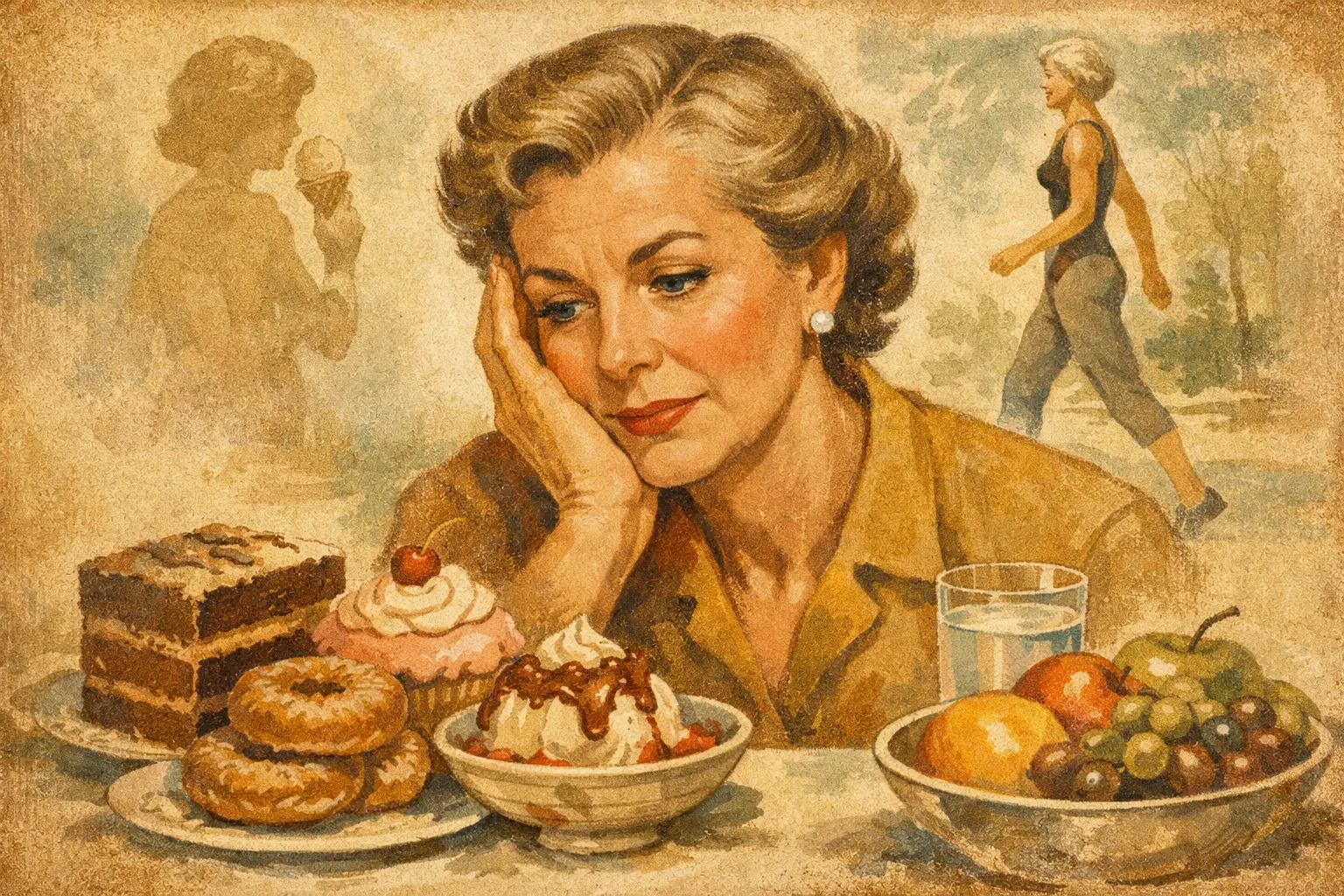
That 3 p.m. pull toward something sweet is not you being weak. If you are wondering how to stop craving sugar after 50, the first thing to know is that midlife changes can make cravings feel louder, faster, and harder to ignore than they used to.
Many women notice the same pattern. You try to eat less, stay “good,” skip breakfast or nibble through the day, and by afternoon or evening you want chocolate, cookies, bread, or anything that gives you a quick hit of relief. Then the guilt shows up. But this is not just about discipline. After 50, blood sugar swings, stress, poor sleep, and shifting hormones can all make sugar cravings more intense.
Why sugar cravings often get stronger after 50
Estrogen plays a role in how your body handles insulin and blood sugar. As estrogen changes in perimenopause and menopause, it can become easier to feel energy dips, increased hunger, and stronger cravings for quick carbs. Add a stressful schedule, not enough protein, and a habit of under-eating earlier in the day, and your body starts asking for the fastest fuel it can get.
This is why old diet advice often backfires for midlife women. Eating tiny meals, relying on low-fat snacks, or trying to “save calories” until dinner can leave you on a blood sugar roller coaster. Sugar cravings are often the result.
There is also a brain chemistry piece. Sugar gives a fast reward. When you are tired, overwhelmed, or emotionally drained, your brain remembers that sugar feels helpful in the moment. That does not mean you lack control. It means your body is responding to stress and unstable fuel.
How to stop craving sugar after 50 by fixing the real trigger
If you want cravings to calm down, the goal is not to white-knuckle your way through them. The goal is to make them less urgent in the first place.
Start with breakfast that actually steadies you
A light breakfast with toast, fruit, or coffee alone may seem harmless, but it often sets up stronger cravings later. A better first meal includes protein, healthy fat, and fiber. That could look like eggs with sauteed vegetables, plain Greek yogurt with chia seeds and berries, or cottage cheese with walnuts and cinnamon.
This matters because protein helps slow the rise and fall of blood sugar. When your morning meal is more balanced, your afternoon appetite is usually more manageable.
If you are not hungry first thing, that is okay. You do not need to force a huge meal. But try not to let coffee carry you until noon. Even a smaller protein-forward breakfast can make a big difference.
Stop under-eating during the day
A very common pattern in women over 45 is eating too little for most of the day and then feeling out of control at night. That is not emotional weakness. That is biology catching up.
When lunch is just a salad with very little protein or dinner is the first real meal of the day, cravings make sense. Your body wants energy. It will usually ask for the fastest source available.
A more supportive lunch might include grilled chicken, salmon, turkey, lentils, or tofu paired with vegetables and a steady carb like beans, quinoa, or sweet potato. You do not need a perfect plate. You need a meal that keeps you full for more than an hour.
Build meals that reduce the sugar chase
One of the simplest ways to stop cravings is to make every meal more complete. Think protein first, then fiber, then healthy fat.
For example, instead of crackers alone, pair them with tuna salad or cheese. Instead of fruit by itself, add nuts or yogurt. Instead of pasta as the whole meal, add chicken or shrimp and vegetables. These are not dramatic changes, but they can flatten the blood sugar spikes that often trigger the next craving.
This is also where many women feel relief. You do not have to remove every carb. In fact, going too low-carb too fast can backfire for some women, especially if it increases stress or leads to rebound eating. It depends on your body, your activity level, and how your current meals are built. The key is balance, not punishment.
The hidden drivers of sugar cravings
Food is only part of the picture. If cravings feel relentless, look beyond your plate.
Poor sleep can make cravings louder
After a rough night, your hunger hormones shift. You are more likely to want quick energy and less likely to feel satisfied by normal meals. This is one reason sugar cravings can feel almost impossible after periods of broken sleep.
You may not be able to control every sleep disruption, especially in midlife. But you can support better rhythms by eating enough during the day, limiting late-night sugar, and creating a more consistent bedtime routine.
Stress changes what your body asks for
When cortisol stays high, blood sugar regulation can get messy. Stress can also make you crave comfort foods because your nervous system wants relief. That is real. But sugar is a short-term solution that often leaves you more tired and hungry later.
If cravings hit hardest during stressful moments, pause before assuming the answer is more restriction. Sometimes the more useful question is, what does my body actually need right now? It might need food, but it might also need a break, water, fresh air, or a few quiet minutes before the craving snowballs.
Habit and timing matter too
Not every craving is a deficiency. Sometimes it is a routine. If you eat something sweet every night while watching TV, your brain starts expecting that reward at that time. The craving is real, but it is learned as much as it is physical.
That kind of craving can soften when you change the pattern without making yourself miserable. You might have herbal tea after dinner, brush your teeth earlier, or choose a more satisfying evening snack with protein instead of going into the night half-hungry.
What to eat when sugar cravings hit
You do not need to answer every craving with pure willpower. It helps to have a better option ready.
A balanced snack can often calm the craving because it gives your body what it was missing. Good examples include apple slices with peanut butter, Greek yogurt with cinnamon, a boiled egg with berries, or a handful of almonds with a small piece of dark chocolate.
Notice the pattern here. You are not just swapping sugar for fake sweetness. You are adding protein, fat, or fiber so the craving does not bounce right back.
If you truly want something sweet, you can have it mindfully. The better question is whether you are eating it on top of hunger or after a satisfying meal. Dessert after a balanced dinner usually lands very differently than sugar on an empty stomach.
How to stop craving sugar after 50 without becoming rigid
This part matters. If you turn sugar into a forbidden food, cravings can get even stronger. Restriction often creates obsession, especially when you are already tired and frustrated.
A better approach is to make sugar less central, not more emotionally charged. That means eating real meals, planning satisfying snacks, and leaving room for flexibility. Some women do well reducing added sugar sharply for a few weeks to reset their taste buds. Others do better with a gentler approach because all-or-nothing rules trigger backlash. It depends on your history with dieting and how your body responds.
If you have been trying to “be good” all day and then feel defeated at night, that is a sign the plan is too restrictive or not supportive enough. Midlife health works better with consistency than extremes.
A simple reset for the next 7 days
For one week, focus on three things. Eat protein at breakfast. Do not go more than four to five hours without a real meal or balanced snack. And make dinner satisfying enough that you are not prowling the kitchen an hour later.
That may sound basic, but basic is often what works. Cravings usually get quieter when your body starts trusting that nourishment is coming regularly.
If you want extra support, build a few easy repeat meals you can rely on during busy weeks. That is often where progress sticks – not in perfect eating, but in removing the chaos that keeps blood sugar unstable.
You are not broken, and you are not failing because sugar feels harder to resist than it used to. Your body is giving you information. When you respond with steadier meals, better blood sugar support, and a little less diet drama, cravings often lose a lot of their power.
This content is for informational purposes only and is not intended as medical advice
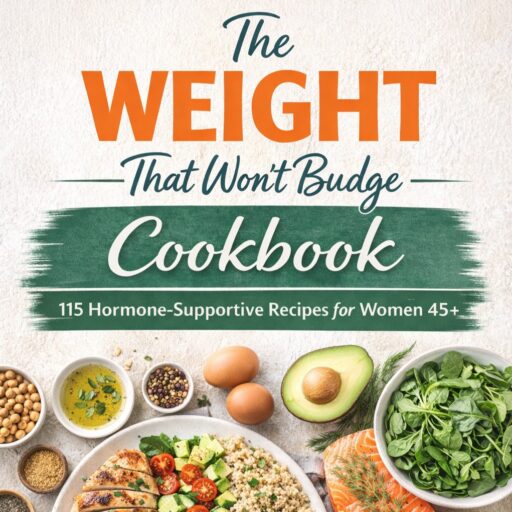
The Weight That Won’t Budge Cookbook