
You can do a full grocery haul with the best intentions and still come home with foods that work against your hormones. That is exactly why a guide to menopause friendly grocery shopping matters. If your usual low-fat yogurt, granola bars, cereal, and frozen “healthy” meals are leaving you hungry, tired, and frustrated with the scale, the problem is not your discipline. Your body in midlife simply needs a different kind of support.
Menopause changes how your body responds to food. Estrogen shifts can affect insulin sensitivity, sleep disruption can drive cravings, and stress can make blood sugar more erratic. That means the old advice to just eat less and move more often falls flat. The better approach is to shop for foods that help you stay full, support muscle, steady blood sugar, and reduce the energy crashes that lead to all-day snacking.
What menopause-friendly grocery shopping really means
This is not about buying specialty products with menopause on the label. Most of those are expensive, overhyped, or full of added sugars. Menopause-friendly grocery shopping is really about building a cart around protein, fiber, healthy fats, and minimally processed carbohydrates that your body can handle well.
That matters because midlife weight gain is not only about calories. Hormonal shifts can make you more sensitive to blood sugar spikes and more likely to store energy when meals are built around refined carbs instead of balanced nutrition. A grocery cart that supports your hormones will usually look simple, not trendy.
You also do not need to shop perfectly. Some women do well with dairy, while others feel better limiting it. Some can enjoy fruit freely with protein, while others need to be more careful with portion size if blood sugar is already an issue. The goal is not food fear. It is learning which foods help your body feel stable and which ones keep you on a roller coaster.
Your guide to menopause friendly grocery shopping by aisle
The easiest way to shop differently is to stop thinking in terms of diet foods and start thinking in terms of meal-building foods.
Start with protein first
If you want fewer cravings and better support for metabolism, protein needs to lead the trip. For many women over 45, this is the biggest missing piece. A cart full of crackers, fruit, soup, and salad ingredients may look healthy, but if there is not enough protein, it will not keep you full for long.
Good grocery staples include eggs, Greek yogurt with no added sugar, cottage cheese, chicken, turkey, salmon, tuna, shrimp, lean beef, tofu, tempeh, and edamame. Rotisserie chicken can be useful on busy weeks, though it is worth checking labels because some are higher in sugar, starches, or sodium than you might expect.
Protein powders can help too, especially for breakfast, but not all of them are equal. Some are basically dessert in a tub. Look for simple ingredients and enough protein per serving to actually support a meal.
Choose carbohydrates that come with fiber
You do not need to fear carbs, but the kind you buy matters. Midlife hormones tend to be less forgiving of naked carbs, especially the refined ones that digest fast and leave you hungry again in an hour.
Better options include beans, lentils, oats, quinoa, sweet potatoes, brown or wild rice, and higher-fiber wraps or breads with recognizable ingredients. Fruit belongs here too. Berries, apples, pears, and citrus tend to be more blood-sugar friendly than ultra-processed snack foods pretending to be healthy.
This is where labels can be misleading. Whole grain does not always mean low sugar or high fiber. A cereal box can look wholesome and still act like dessert in your body. When possible, compare products and choose the one with more fiber, less added sugar, and ingredients you would actually keep in your own kitchen.
Do not skip healthy fats
A lot of women over 45 are still carrying around old diet rules that taught them to avoid fat. That advice has aged badly. Healthy fats support satisfaction, hormone production, and meal balance.
Think avocados, olives, nuts, seeds, natural nut butters, extra virgin olive oil, and fatty fish. These foods are helpful, but they are also easy to overdo if you are pouring, scooping, or snacking mindlessly. Menopause-friendly does not mean unlimited. It means intentional.
Fill the cart with produce you will actually eat
The best vegetables are the ones you will wash, cook, and finish before they turn into science projects in the crisper drawer. Leafy greens are great, but they are not your only option.
Frozen broccoli, green beans, cauliflower rice, stir-fry blends, Brussels sprouts, peppers, zucchini, cucumbers, carrots, mushrooms, and salad kits can all work. Convenience counts. If pre-chopped vegetables help you cook instead of ordering takeout, they are worth it.
Color matters here, not for perfection but for variety. Different produce brings different nutrients, and spreading your choices out across the week can support energy, digestion, and overall health.
The foods that deserve a second look
A practical guide to menopause friendly grocery shopping also means being honest about the foods marketed as healthy. This is often where women get tripped up.
Low-fat flavored yogurt can be packed with sugar. Granola often behaves like a dessert topping. Protein bars can be candy bars with better branding. Frozen smoothies, instant oatmeal packets, gluten-free crackers, and bottled coffee drinks can all look harmless while pushing blood sugar higher than expected.
That does not mean you can never buy convenience foods. It means they should earn their place in your cart. Ask a simple question: Will this help me build a balanced meal, or will it leave me chasing energy an hour later?
How to read labels without overcomplicating it
You do not need to stand in the aisle doing math for twenty minutes. A quick scan can tell you a lot.
Look at protein first if the food is supposed to be a meal or snack with staying power. Then check fiber and added sugar. Finally, read the ingredient list. If sugar shows up in multiple forms or the list sounds more like a lab formula than food, that is useful information.
There are exceptions. Some packaged foods with longer ingredient lists are still perfectly reasonable, especially sauces, broths, or frozen items. The point is not purity. The point is knowing what you are buying.
A smarter way to plan before you shop
The most hormone-smart grocery strategy starts before you enter the store. You do not need a rigid meal plan, but you do need a loose framework.
Think in terms of simple combinations: protein plus produce plus a fiber-rich carb or healthy fat. That might look like salmon with roasted broccoli and sweet potato, Greek yogurt with berries and chia seeds, or taco bowls with ground turkey, black beans, lettuce, salsa, and avocado.
If your week is packed, buy for repeatable meals instead of recipe ambition. It is better to have ingredients for three easy breakfasts and two simple dinners you will actually make than a cart full of aspirational health food that sits untouched.
What a menopause-friendly cart can look like
A realistic cart might include eggs, plain Greek yogurt, chicken thighs, canned tuna, ground turkey, frozen salmon, cottage cheese, spinach, berries, apples, broccoli, salad greens, baby carrots, sweet potatoes, avocados, black beans, oats, quinoa, almonds, olive oil, salsa, and a dark chocolate bar you actually enjoy.
Notice what is missing: a pile of diet products. You are not shopping for restriction. You are shopping for stability.
That shift matters more than most women realize. When your meals help regulate hunger instead of inflaming it, you stop feeling at war with food. That is when healthy eating becomes more sustainable and weight loss finally starts to feel possible again.
You are not broken, and you do not need more willpower. You need a grocery cart that reflects what your body needs now, not what diet culture told you ten years ago. Start there, and your meals get easier, your energy gets steadier, and your body has a better chance to respond.
This content is for informational purposes only and is not intended as medical advice
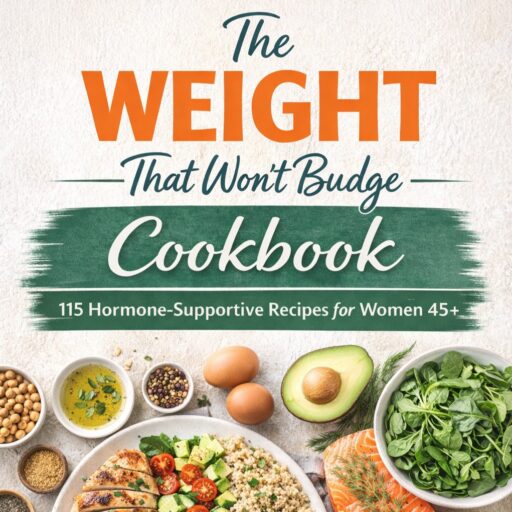
The Weight That Won’t Budge Cookbook