If you have ever opened a “healthy” cookbook and found smoothies for breakfast, grain bowls for lunch, and a light soup for dinner, you already know the problem. That kind of advice may sound clean and sensible, but for many women in midlife, it does very little to support steady energy, fewer cravings, or real fat loss. The best cookbook for menopause weight loss should do more than offer low-calorie meals. It should help you eat in a way that works with changing hormones instead of against them.
This is where a lot of women get misled. You are told to eat less, snack smart, and show more discipline. Meanwhile, your body is dealing with shifts in estrogen, insulin sensitivity, sleep quality, stress response, and muscle mass. So if a cookbook ignores blood sugar balance, protein needs, and realistic meal structure, it may be beautifully photographed and still be completely wrong for this season of life.
What makes the best cookbook for menopause weight loss?
A truly helpful cookbook for menopause weight loss starts with a different premise. It does not assume your body is the same at 25 as it is at 52. It recognizes that many women over 45 need meals that are more stabilizing, more satisfying, and more strategic.
That means recipes built around protein, fiber, and healthy fats rather than meals that leave you hungry two hours later. It means ingredients that support blood sugar control instead of sending it on a roller coaster. It also means practical portions and simple preparation, because no cookbook is useful if every meal takes 90 minutes and a specialty grocery trip.
The best options also avoid diet culture language. Midlife women do not need another plan built on deprivation, guilt, or tiny portions disguised as wellness. They need recipes that help them feel fed, steady, and in control of their appetite.
Why generic weight-loss cookbooks often fail in menopause
Most mainstream weight-loss cookbooks are still built on old assumptions. They tend to chase calorie reduction first and metabolic support second. That can backfire in menopause.
When meals are too light, too carb-heavy, or too low in protein, you may notice the familiar pattern. You eat breakfast and feel hungry again by 10 a.m. You try to be good at lunch, then want something sweet mid-afternoon. By evening, your energy is gone and your cravings are louder than your intentions. That is not a character flaw. It is often a blood sugar and hormone issue.
A cookbook that simply labels meals as low-fat, low-calorie, or guilt-free may actually make this worse. Many of those recipes depend on starches, fruit-heavy breakfasts, or snacks that do not hold you. For a woman navigating menopause weight gain, that is not a small detail. It is the whole game.
There is also the issue of sustainability. If a cookbook is too rigid, full of expensive ingredients, or based on foods your family will never eat, it becomes shelf decor. The right cookbook should fit real life, not an imaginary version of it.
What to look for before you buy
If you are trying to choose the best cookbook for menopause weight loss, read past the marketing copy. Look at the actual recipe pattern.
A strong cookbook will feature meals with meaningful protein in every section, including breakfast. It will use carbohydrates thoughtfully rather than making them the base of every plate. You want recipes that pair carbs with protein and fat so meals digest more steadily and keep you fuller longer.
It also helps when the cookbook includes simple everyday meals, not just special occasion dishes. Sheet pan dinners, skillet meals, easy salads with enough substance, soups that actually satisfy, and prep-friendly lunches matter more than fancy health food ideas you make once.
Pay attention to whether the recipes rely heavily on flour replacements, artificial sweeteners, or processed “diet” products. Those may sound helpful on paper, but they often keep women stuck in a cycle of chasing low-calorie foods that do not satisfy. Whole-food recipes usually work better because they support appetite regulation instead of fighting it.
Another green flag is guidance around meal balance. A cookbook does not need to read like a textbook, but it should help you understand why a recipe works. If it quietly teaches you how to build a better plate, that is far more valuable than a collection of random healthy meals.
The recipe style that tends to work best in midlife
For menopause weight loss, the most helpful cookbooks usually share a few traits. Breakfasts lean savory or at least include enough protein to prevent the mid-morning crash. Lunches are simple and repeatable, because busy women do not need eleven complicated mason jar salads. Dinners are satisfying enough that you are not prowling the kitchen an hour later.
This often looks like egg-based breakfasts, Greek yogurt bowls with real staying power, protein smoothies that are balanced instead of fruit-loaded, chicken or salmon salads, turkey bowls, soups with beans or shredded meat, and dinners built around fish, poultry, lean beef, tofu, or legumes with vegetables and smart portions of carbs.
It depends on your preferences, of course. Some women feel better with moderate carbs spread through the day, while others need to be more intentional with starches at breakfast or snacks. The point is not perfection. It is finding recipes that reduce chaos in your appetite and energy.
The best cookbook for menopause weight loss should teach, not just feed
A cookbook can give you recipes, but the best one also changes the way you think about food. That matters because menopause weight loss is rarely about one magical ingredient. It is about creating meals that work better for your physiology.
When you start understanding why a breakfast needs protein, why naked carbs can trigger crashes, or why under-eating all day can lead to overeating at night, you stop blaming yourself. You begin making choices from a place of clarity instead of frustration.
That is especially helpful if you have spent years following advice that no longer works. Many women in midlife are not failing at healthy eating. They are simply using a framework designed for a different body and a different season.
A good cookbook should meet you there. It should make hormone-smart eating feel doable, not complicated. It should help you stock your kitchen with ingredients that support your goals and give you enough variety that you do not get bored by week two.
A realistic standard for choosing the right one
You do not need the perfect cookbook. You need one that you will actually use three times a week.
That may mean choosing a cookbook with simpler meals over one with trendier recipes. It may mean picking a resource that focuses on blood sugar balance rather than strict carb elimination. It may also mean choosing a cookbook written specifically for women in midlife, because context matters.
If a book makes you feel scolded, confused, or overwhelmed, it is probably not the right fit. If it helps you understand your body, simplifies meal decisions, and gives you recipes that leave you full and steady, you are much closer.
For women who are tired of being told to just eat less and move more, that kind of support can be a genuine turning point. The right cookbook is not a magic fix, but it can remove a lot of noise. It can help you stop guessing, stop under-fueling, and start eating in a way that supports your metabolism with more consistency.
That is the real test. Not whether the recipes look impressive, but whether they help your body feel calmer, your hunger feel more manageable, and your habits feel easier to repeat.
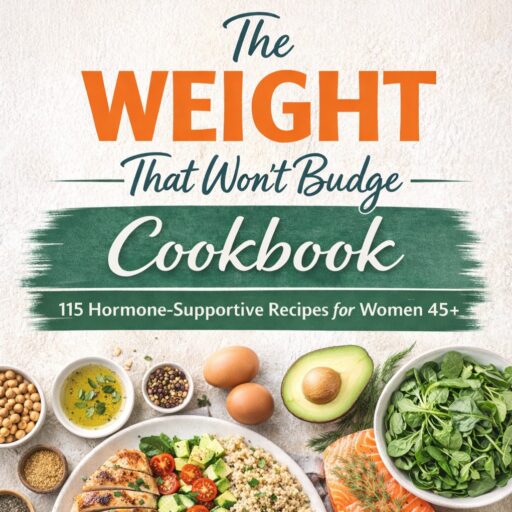
If you are looking for practical hormone-smart recipes made for this exact season of life, The Weight That Won’t Budge Cookbook is designed to help women over 45 build meals that support blood sugar balance, satisfaction, and sustainable fat loss without extreme dieting.
This content is for informational purposes only and is not intended as medical advice The Weight That Won’t Budge Cookbook