If you have ever cut carbs, skipped dessert, and still watched the scale stay put, you are not imagining things. The menopause diet versus keto question comes up for a reason: what worked at 35 often stops working after 45, and that is not a character flaw. It is a metabolic shift.
For many women in midlife, the real issue is not simply eating too much. It is that changing estrogen levels can affect insulin sensitivity, appetite, sleep, inflammation, and where your body prefers to store fat. That is why a plan that looks good on paper can feel terrible in real life. So if you are trying to decide between a menopause-friendly way of eating and keto, the better question is not which one is stricter. It is which one actually supports your body now.
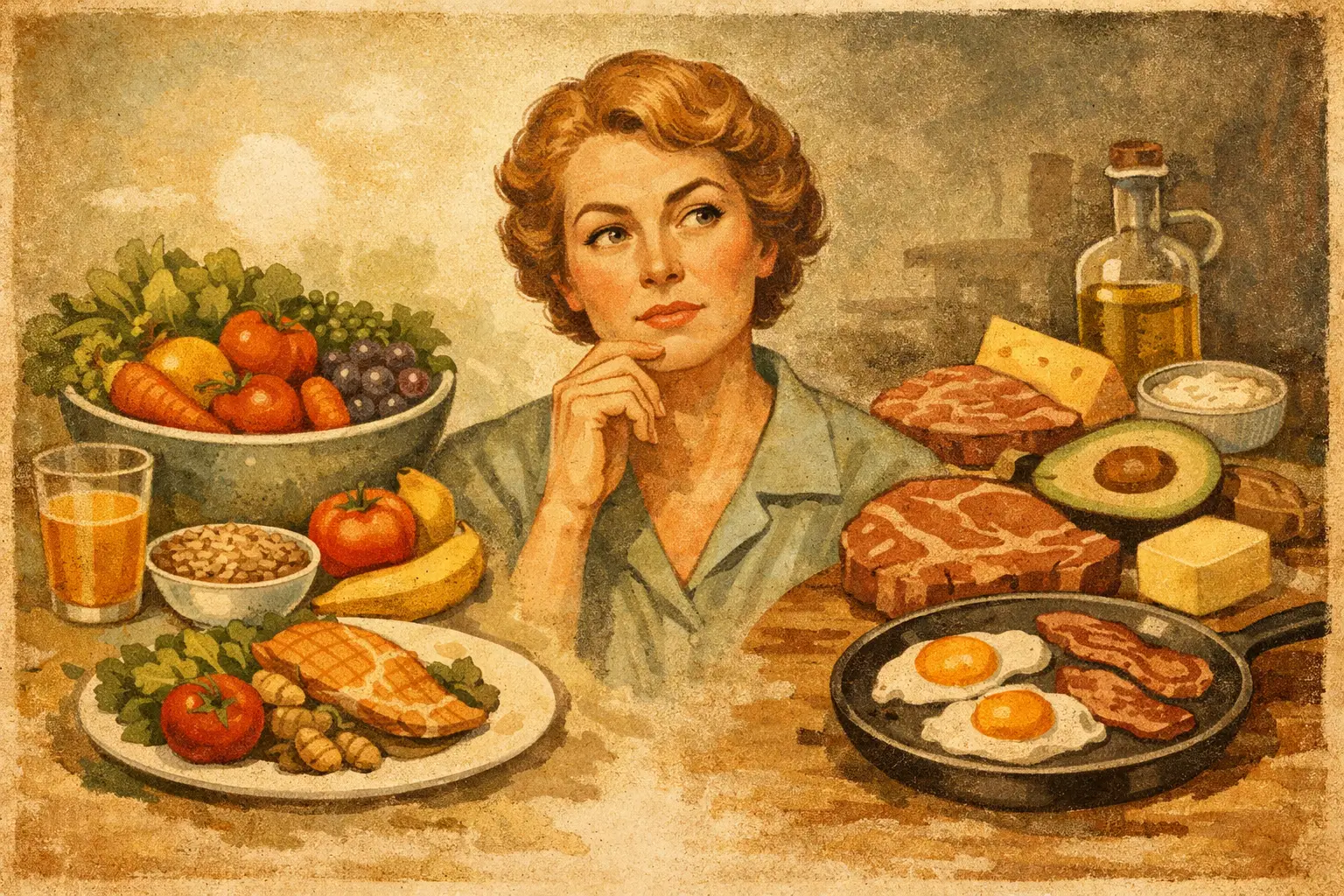
Menopause diet versus keto: what is the real difference?
A menopause-focused diet is not one branded meal plan. It is a way of eating built around the needs that tend to show up during perimenopause and menopause: blood sugar stability, enough protein, fiber for digestion and cholesterol support, anti-inflammatory foods, and meals that are realistic enough to repeat on busy weekdays.
Keto is much narrower. Its main goal is to keep carbs very low so the body relies more heavily on fat for fuel. That usually means cutting grains, beans, most fruit, and many starchy vegetables, while increasing fat significantly.
Those are not small differences. One approach is designed around hormone-smart nourishment and sustainability. The other is designed around carbohydrate restriction. Sometimes those overlap, but they are not the same thing.
Why keto can look appealing in midlife
There is a reason keto gets attention, especially from women frustrated by belly fat and stubborn weight gain. Lowering carbs can reduce blood sugar spikes, which may help some women feel less hungry and less snacky. Some also notice quick early weight loss, often because glycogen and water stores drop when carbs go down.
For a woman dealing with strong cravings, prediabetes, or obvious blood sugar swings, a lower-carb approach can absolutely help. That part deserves honesty. Keto is not nonsense. For some people, it creates enough structure to calm appetite and improve certain lab markers.
But the part that often gets skipped is this: short-term results are not the same as long-term fit.
Where keto can backfire during menopause
Very low-carb eating can be hard on real life. It tends to remove foods that can be genuinely helpful in menopause, including beans, berries, oats, sweet potatoes, and other fiber-rich carbohydrates that support digestion, cholesterol, and steady energy.
That matters because many women in menopause are not only dealing with weight changes. They are also dealing with constipation, sleep disruption, higher cholesterol, lower exercise recovery, and stress that already pushes the body hard. A rigid keto plan can make some of that worse, especially if it turns into too little fiber, too little total food, or an overreliance on cheese, cream, and processed low-carb snacks.
There is also the compliance problem, and it is a real one. If a plan works only when you follow it perfectly, it does not work for most women with jobs, families, travel, cravings, and a social life. A diet that feels good for 10 days but collapses by week three is not a failure of discipline. It is feedback.
What a menopause-friendly diet usually gets right
A smart menopause diet tends to focus less on extremes and more on metabolic support. That usually means building meals around protein first, adding high-fiber carbs in portions that your body handles well, including healthy fats, and eating regularly enough to avoid the crash-and-crave cycle.
Instead of saying carbs are the enemy, it asks a better question: which carbs help you feel steady, satisfied, and energized? That is a much more useful framework in midlife.
For many women, that looks like eggs with sauteed vegetables and avocado at breakfast, a salad with chicken and chickpeas at lunch, and salmon with roasted broccoli and a small serving of sweet potato at dinner. This is not flashy. It is effective because it supports blood sugar without pushing your body into an all-or-nothing corner.
Menopause diet versus keto for weight loss
If your only measurement is fast scale change, keto may win at first. But if your goal is fat loss you can maintain while preserving energy, digestion, muscle, and sanity, the answer gets more nuanced.
During menopause, maintaining muscle matters more than ever. Muscle helps with insulin sensitivity, metabolism, balance, and healthy aging. That is one reason a menopause-supportive diet usually emphasizes consistent protein and enough overall nourishment rather than dramatic restriction.
Keto can include enough protein, but many women end up under-eating it because they are focused on staying high fat and ultra low carb. Others overeat calorie-dense keto foods because they are technically allowed. Butter in coffee may fit keto rules, but it does not automatically help body composition.
A menopause-focused plan tends to be better for body recomposition because it is easier to pair with strength training, walking, and daily consistency. It may feel slower, but slower and steadier often beats intense and temporary.
Blood sugar matters, but extreme carb cutting is not the only answer
This is where women have often been given bad advice from both directions. On one side, generic diet culture says to just eat less and move more. On the other, extreme wellness messaging says carbs are the entire problem.
Neither is complete.
Blood sugar balance matters in menopause because estrogen shifts can change how your body responds to insulin. But blood sugar can improve without full keto. Many women do very well with a moderate-carb approach that includes protein at every meal, fiber-rich foods, fewer liquid sugars, and fewer naked carbs eaten by themselves.
For example, fruit with Greek yogurt or nuts will usually land differently than fruit juice alone. Rice in a balanced meal with chicken and vegetables is different from a bowl of plain rice eaten when you are already starving. Context matters.
Who might do well with keto, at least for a season?
A short-term keto or very low-carb plan may be helpful for some women, especially if blood sugar is significantly dysregulated and they work well within clear boundaries. It may also help a woman break a pattern of constant snacking on refined carbs and sweets.
But even then, it should be approached thoughtfully. If keto makes you obsessed with food, exhausted during workouts, constipated, irritable, or afraid of eating blueberries, that is a sign the approach may be too rigid for your body or your life.
If you have a history of disordered eating, intense restriction usually creates more problems than it solves. In that case, a menopause-supportive approach is often the safer and more sustainable path.
A better middle ground for most women over 45
For most readers, the sweet spot is not classic keto and not the old low-fat diet either. It is a lower-sugar, protein-forward, fiber-rich way of eating that keeps carbs intentional instead of excessive.
That might mean choosing oatmeal with chia and protein instead of a pastry, or swapping a large plate of pasta for grilled chicken, vegetables, and a smaller serving of pasta that actually satisfies you. It can also mean being more strategic with breakfast, because a sugary or low-protein morning meal often sets up cravings for the rest of the day.
This middle-ground approach gives you the metabolic benefits many women are looking for from keto without demanding carb math at every meal. It leaves room for beans, berries, quinoa, apples, yogurt, and roasted root vegetables, which can all support health when portions and pairings make sense.
How to choose between a menopause diet and keto
Start with your symptoms, not the trend. If you need help stabilizing energy, reducing cravings, losing body fat, and eating in a way you can live with, a menopause-focused plan is usually the better starting point.
If you are very carb sensitive and have already noticed that lowering carbs helps you feel dramatically better, a more ketogenic approach may be worth exploring carefully. But treat it like a tool, not a personality. You do not need to stay married to an approach that no longer serves you.
The best plan is the one that improves your markers and your quality of life. You should feel more stable, not more stressed. More nourished, not more deprived.
At The Weight That Won’t Budge, we believe women over 45 need nutrition advice that respects hormones, blood sugar, and actual life. You are not broken, and you do not need another punishing food rulebook. You need meals that make your body feel supported enough to respond again.
A good next step is simple: build your plate around protein, add produce, include a smart portion of carbs your body handles well, and pay attention to how you feel for two weeks. Your body will usually tell you more truth than any diet label can.
This content is for informational purposes only and is not intended as medical advice
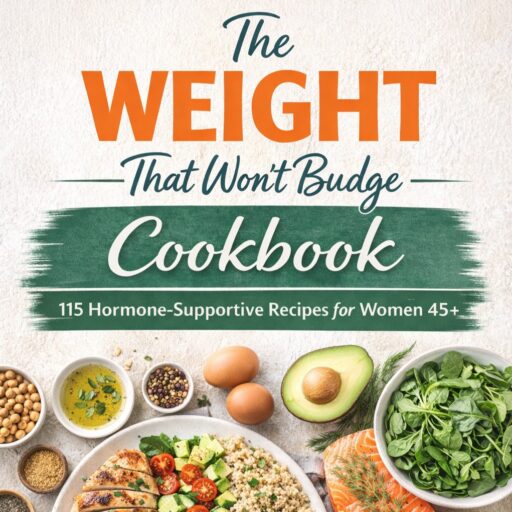
The Weight That Won’t Budge Cookbook