If you feel like your old way of eating stopped working almost overnight, you are not imagining it. Figuring out how to eat after menopause can feel frustrating because the usual advice – eat less, snack less, try harder – often makes things worse, not better. Your body is operating with a different hormonal backdrop now, which means your meals need to do more than just cut calories.
After menopause, estrogen shifts can affect where you store fat, how sensitive you are to insulin, how stable your blood sugar stays, and even how hungry or tired you feel through the day. That is why a woman who used to skip breakfast, eat a light lunch, and “be good” at dinner may suddenly find herself exhausted, craving carbs, and gaining weight anyway. This is not a character flaw. It is a sign that your body needs a smarter kind of support.
How to eat after menopause starts with blood sugar
The biggest mistake many women make is trying to eat less when what they really need is to eat more strategically. Blood sugar swings become more costly in midlife. A breakfast of toast or fruit alone, a lunch built around crackers or a salad with barely any protein, and then a night of snacking is a very common pattern. It also sets you up for hunger, mood dips, and that stubborn belly weight that seems impossible to budge.
A better approach is to build meals that slow digestion and keep insulin from spiking so aggressively. That usually means combining protein, fiber, and healthy fat at each meal. Not in a complicated way. Just in a way that gives your body something steady to work with.
For breakfast, that might look like eggs with sauteed vegetables and berries, or Greek yogurt with chia seeds, walnuts, and a few raspberries. For lunch, it could be grilled chicken over a big salad with avocado and olive oil, or a turkey wrap in a low-carb tortilla with crunchy vegetables. Dinner might be salmon, roasted broccoli, and sweet potato, or taco bowls with ground turkey, cauliflower rice, black beans, salsa, and guacamole.
None of those meals are extreme. That is the point. The goal is not to eat perfectly. The goal is to eat in a way that helps your body feel safe, fueled, and less driven by cravings.
Protein matters more than most women realize
If you want to know how to eat after menopause in a way that supports weight and energy, start by looking at protein. Many women over 45 are under-eating it, especially earlier in the day. Then they wonder why they are hungry at 3 p.m. and in the pantry after dinner.
Protein helps with fullness, supports muscle mass, and can help steady blood sugar after meals. That matters because muscle becomes more important after menopause, not less. It helps support metabolism, strength, and how your body uses glucose.
You do not need to turn every meal into a bodybuilder plate. But it does help to make protein visible on your plate instead of treating it like an afterthought. Eggs, Greek yogurt, cottage cheese, chicken, turkey, tuna, salmon, shrimp, tofu, tempeh, and higher-protein soups or bowls can all work.
A useful mindset shift is this: stop asking, “How little can I eat?” and start asking, “Will this meal keep me full, steady, and energized for the next few hours?” That one question can change a lot.
Carbs are not the enemy, but timing and type matter
This is where diet culture has done real damage. Women are often told to fear carbs completely or, on the flip side, to center every meal around whole grains without considering what their body is actually tolerating well. After menopause, the better answer is usually somewhere in the middle.
You do not need to eliminate carbohydrates to lose weight or feel better. But you may need to become more intentional about which carbs you choose and what you pair them with. Carbs that come with fiber and nutrients – berries, beans, lentils, sweet potatoes, quinoa, oats, and nonstarchy vegetables – tend to work better than meals built around bread, chips, pastries, or frequent sugary snacks.
It also helps to avoid eating carbs by themselves when possible. An apple is fine, but an apple with almond butter or cheese is often a better choice for blood sugar. A small serving of rice at dinner can fit, especially when paired with protein and vegetables. A giant bowl of pasta with garlic bread after barely eating all day is a different story.
This is not about moralizing food. It is about reducing the cycle of spike, crash, crave, repeat.
Healthy fats help more than low-fat dieting ever did
For years, many women were taught to fear fat and fill up on low-fat products instead. That approach often backfires in midlife because low-fat eating can leave meals unsatisfying and push people toward extra sugar and starch without realizing it.
Healthy fats help with satiety and can make meals feel calm instead of skimpy. Avocado, olive oil, nuts, seeds, olives, and fatty fish can all have a place in a menopause-friendly way of eating. You do not need huge amounts, but you do need enough to make meals satisfying.
There is a trade-off here. Fat is not a free food, and pouring oil onto everything does not automatically improve weight loss. But including moderate amounts of healthy fat alongside protein and fiber usually works much better than eating dry salads and then fighting cravings all evening.
Eat enough during the day or your evenings will show it
One of the most common patterns in women who feel stuck is under-eating all day and overeating at night. It often starts with good intentions. Coffee for breakfast, something tiny for lunch, maybe a handful of nuts while working. Then dinner becomes the moment your body finally demands real energy.
That pattern can feel like a willpower issue, but very often it is a fuel issue. If your body is running on fumes, it will ask for quick energy later. Usually loudly.
This is why regular meals matter. Not because you need a rigid schedule, but because your body does better when it is not constantly swinging between deprivation and over-hunger. Three balanced meals work well for many women. Some do best with a protein-rich snack between meals if there is a long gap. It depends on your hunger, activity level, sleep, medications, and blood sugar patterns.
The key is consistency. You want to reduce the drama around food, not create more of it.
Menopause nutrition should support your real life
You do not need gourmet meals or a complicated hormone protocol to make progress. You need repeatable meals you can actually prepare on busy weekdays. That means keeping simple staples on hand and thinking in meal formulas instead of perfection.
A practical dinner can be a sheet pan of chicken sausage and vegetables. Lunch can be leftover salmon over greens with pumpkin seeds. Breakfast can be cottage cheese, berries, and cinnamon. If you are a caregiver, traveling, or working long hours, convenience matters. Rotisserie chicken, hard-boiled eggs, frozen vegetables, tuna packets, plain Greek yogurt, and pre-chopped produce can save you from the all-or-nothing trap.
The women who do best are not usually the ones eating the cleanest. They are the ones eating consistently enough to support their hormones and energy without turning food into a full-time job.
What to limit without becoming restrictive
There are a few foods that tend to make symptoms and weight struggles worse for many women after menopause. Frequent sugary drinks, desserts that become daily habits, ultra-processed snack foods, and alcohol can all make it harder to keep blood sugar stable and inflammation lower. They can also increase cravings and disrupt sleep, which then affects appetite the next day.
That does not mean you can never have them. It means they probably work better as occasional choices than everyday defaults. If a nightly glass or two of wine seems harmless but your sleep is terrible and your belly weight is rising, that is worth paying attention to. If your “healthy” granola bar leaves you hungrier than before, that is useful data too.
This is where a hormone-smart approach is more helpful than a strict one. You are not trying to earn food or ban food. You are learning which foods help you feel more like yourself.
A better way to think about eating after menopause
How to eat after menopause is not really about eating less. It is about eating in a way that matches the body you have now. More protein. Better blood sugar balance. Enough healthy fat. Smarter carbs. More consistency. Less punishing yourself for being hungry.
Your body is not broken, and you do not need another round of outdated dieting advice to prove that. You need meals that support steadier energy, fewer cravings, and a metabolism that feels cared for instead of stressed. Start with one meal a day if that feels manageable. Build from there. Small shifts, done consistently, can change much more than another short-lived diet ever will.
This content is for informational purposes only and is not intended as medical advice.
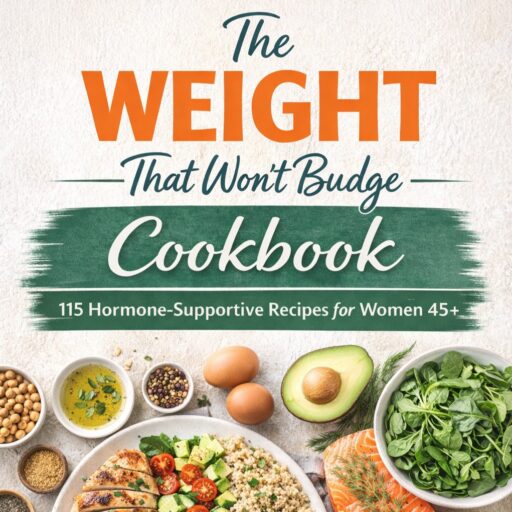
The Weight That Won’t Budge Cookbook