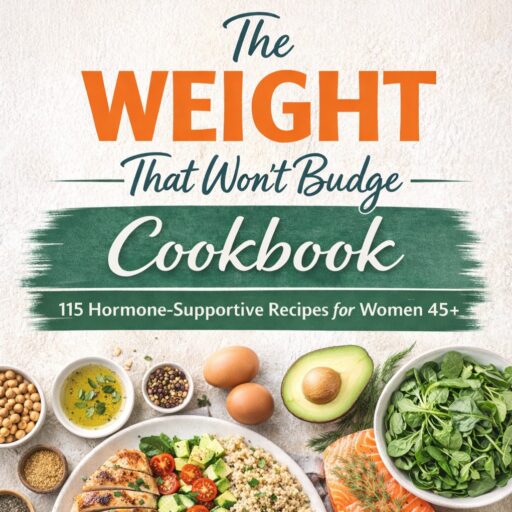
If you feel like your body stopped responding to all the things that used to work, you are not imagining it. Sustainable weight loss after 45 is different because your hormones, insulin response, stress load, sleep quality, and muscle mass all start influencing the scale in a bigger way. That does not mean your body is broken. It means the old advice to just eat less and move more is no longer enough.
Many women in midlife are doing what they were taught to do – skipping meals, eating tiny salads, cutting more calories, and blaming themselves when nothing changes. Then the cravings get louder, energy drops, and the weight stays put. That pattern is not a motivation problem. It is often a blood sugar and hormone support problem.
Why sustainable weight loss after 45 feels harder
After 45, several changes can make fat loss slower and more frustrating. Estrogen shifts can affect where you store weight, especially around the midsection. Loss of muscle mass can lower how many calories your body naturally burns. Higher stress and poor sleep can raise cortisol, which can increase cravings and make blood sugar less steady.
Insulin matters here too. If meals are built around refined carbs, not enough protein, or long gaps without eating, blood sugar can spike and crash. That cycle can leave you tired, hungrier than you should be, and more likely to store fat. For many women, the issue is not that they are eating too much food overall. It is that their meals are not working with their changing metabolism.
This is where diet culture gets it wrong. Midlife weight loss does not usually improve with more restriction. It improves with better support.
What actually works for sustainable weight loss after 45
The goal is not to create the fastest possible drop on the scale. The goal is to create a body that feels safe enough, fueled enough, and stable enough to let go of excess weight over time. That starts with a few core shifts.
Build meals around protein first
Protein is one of the most helpful tools for women over 45. It supports muscle, helps keep you full longer, and can reduce the blood sugar roller coaster that drives cravings. If breakfast is toast or cereal, and lunch is a light salad with very little substance, it is no surprise that evenings feel out of control.
A better approach is to anchor each meal with a meaningful source of protein. Eggs, Greek yogurt, cottage cheese, chicken, turkey, tuna, salmon, tofu, and beans can all work. The right amount depends on your appetite, activity level, and health needs, but most women benefit from more protein than they are currently eating, especially earlier in the day.
A practical breakfast might be eggs with sauteed vegetables and berries, or Greek yogurt with chia seeds and walnuts. Lunch could be a big salad, but one that actually satisfies you because it includes grilled chicken, salmon, or hard-boiled eggs instead of just greens.
Stop under-eating during the day
This is one of the most common reasons weight loss stalls. A coffee for breakfast, a small lunch, then constant snacking or overeating at night is not lack of discipline. It is your body asking for energy.
When you under-eat all day, your blood sugar tends to become less stable, cravings rise, and stress hormones can stay elevated. For some women, eating more consistently is the missing piece that finally helps the scale move. That can feel counterintuitive if you have spent years trying to be “good” by eating as little as possible.
The better question is not, “How little can I eat?” It is, “How can I eat in a way that keeps me steady?”
Choose carbs with more intention, not fear
You do not need to declare war on carbs to lose weight after 45. But you may need to be more selective about which carbs you eat and how you pair them.
Carbs tend to work better when they come with fiber and are eaten alongside protein and healthy fat. Think roasted sweet potato with salmon and broccoli, or a bowl with quinoa, chicken, avocado, and nonstarchy vegetables. Compare that with eating crackers alone, grabbing a muffin for breakfast, or having pasta with very little protein. One supports steadier energy. The other often leads to a crash.
Some women do better with fewer starches at certain meals, especially if they are dealing with insulin resistance or stubborn belly fat. Others can include moderate portions and feel great. This is where it depends. The most helpful plan is one that fits your body, not one built on fear.
The habits that matter more than perfection
There is a reason extreme plans rarely lead to lasting results. They ask too much of a body that is already stressed, undernourished, and hormonally shifting. Midlife weight loss responds better to consistency than intensity.
Strength training supports your metabolism
If your only exercise is long cardio sessions, it may be time to rethink the formula. Strength training helps preserve and build muscle, and muscle matters more after 45. It supports metabolism, improves insulin sensitivity, and can change body composition even when the scale moves slowly.
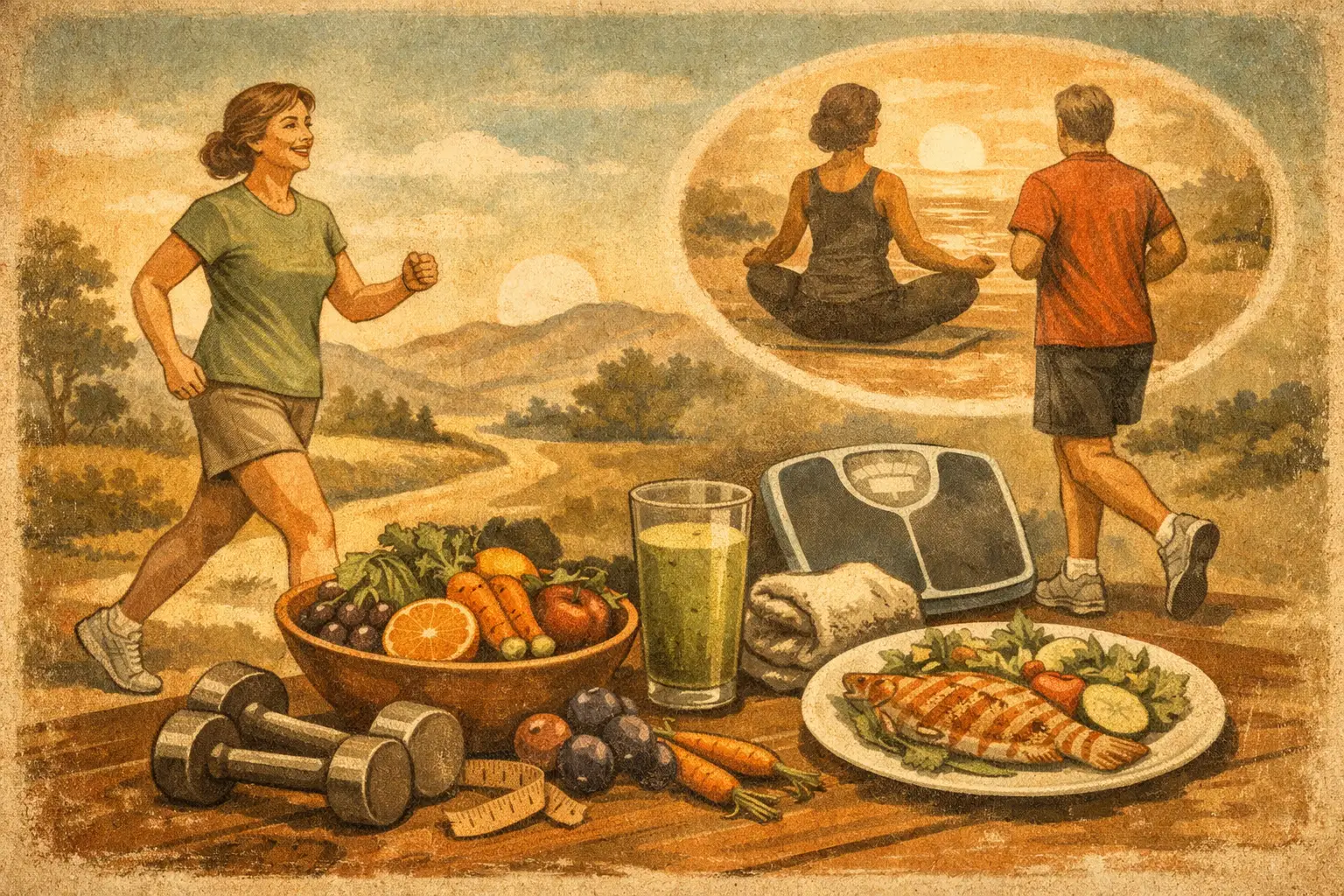
You do not need an intense gym routine to benefit. Resistance bands, light dumbbells, bodyweight exercises, or two to four strength sessions a week can make a real difference. Walking is still valuable too, especially for blood sugar balance and stress relief. The key is not choosing one or the other. It is giving your body both support and challenge.
Sleep is not optional if you want fat loss
You can eat well all day and still struggle if sleep is poor night after night. Sleep deprivation can increase hunger hormones, lower impulse control, and worsen insulin resistance. It also makes healthy routines feel harder than they should.
For women in perimenopause and menopause, sleep can be tricky. Night sweats, anxiety, and early waking are common. You may not fix all of that overnight, but improving your sleep environment, limiting late-night snacking, getting morning light, and keeping a steadier routine can help more than another crash diet ever will.
Stress management affects your waistline
This is not about being perfectly calm. It is about recognizing that chronic stress changes how your body functions. High stress can push you toward quick-energy foods, make blood sugar harder to manage, and keep your body in a state where fat loss feels slower.
Sometimes the most effective weight-loss strategy is not another food rule. It is eating lunch away from your desk, taking a 10-minute walk after dinner, saying no to one extra obligation, or finally addressing the burnout you have been trying to push through.
A more realistic way to eat in midlife
A sustainable pattern often looks less dramatic than people expect. It might mean three balanced meals a day with fewer random snacks. It might mean a savory breakfast instead of a sweet one. It might mean planning protein before you plan anything else.
It also means making room for real life. There will be vacations, holidays, restaurant meals, and stressful weeks. Sustainable weight loss after 45 is not ruined by those moments. It is built by returning to supportive habits without guilt or punishment.
That is where many women finally start to feel relief. You do not need to earn your food. You do not need to survive on lettuce. You do need meals that support your hormones, your energy, and your actual life.
If you want a simple framework, think in terms of a balanced plate: protein first, plenty of nonstarchy vegetables, a smart portion of fiber-rich carbs if they work well for you, and healthy fats that help with satisfaction. Keep it simple enough that you can repeat it on a busy Tuesday, not just on your most motivated day.
One dinner might be baked chicken, roasted Brussels sprouts, and a small serving of sweet potato. Another might be taco bowls with ground turkey, lettuce, salsa, avocado, and black beans. A quick lunch might be cottage cheese, cucumber, berries, and a handful of nuts. None of that is extreme. That is the point.
If your weight has not budged in spite of your effort, let that be information, not a verdict on your willpower. Your body may be asking for a different strategy – one that respects hormones, protects muscle, steadies blood sugar, and stops treating midlife like a problem you caused. At The Weight That Won’t Budge, that is the shift that matters most.
This content is for informational purposes only and is not intended as medical advice The Weight That Won’t Budge Cookbook