You can eat less, skip dessert, order the salad, and still watch the scale stay stuck after 45. That is exactly why so many women start asking, what should women over 45 eat if the old rules are not working anymore? The answer is not to eat less and less. It is to eat in a way that supports blood sugar, insulin, muscle, and the hormone shifts that start changing how your body responds to food.
If you have been told your problem is willpower, let’s correct that right now. Midlife weight gain is not just about calories. Estrogen changes, stress, sleep disruption, and loss of muscle all affect how your body stores fat, uses carbs, and manages hunger. Food still matters a great deal, but the strategy needs to match this stage of life.
What should women over 45 eat for better metabolism?
The simplest answer is this: meals built around protein, fiber, healthy fats, and smart carbohydrates. That combination helps you feel full, steadies blood sugar, supports muscle, and lowers the roller coaster of cravings and energy crashes that often get worse in perimenopause and menopause.
This is where many women get tripped up. They eat lightly during the day, maybe coffee for breakfast and a small salad for lunch, then end up exhausted, hungry, and snacking at night. That pattern can make blood sugar less stable and leave you undernourished in the areas that matter most.
A better approach is to think less about “diet food” and more about metabolic support. Your meals do not need to be tiny. They need to be balanced.
The foods that matter most after 45
Protein deserves top billing. After 45, maintaining muscle becomes harder, and that matters because muscle helps with blood sugar control, strength, and metabolic health. Many women simply do not eat enough protein early in the day. Eggs, Greek yogurt, cottage cheese, chicken, turkey, salmon, tuna, shrimp, tofu, tempeh, and lean beef can all fit.
Fiber is just as important, especially for appetite control, digestion, cholesterol support, and blood sugar balance. Vegetables, berries, beans, lentils, chia seeds, flaxseeds, and high-fiber whole foods help slow digestion in a helpful way. This is one reason a breakfast of toast alone feels very different in your body than eggs with sautéed vegetables and berries.
Healthy fats also matter. Midlife women are often taught to fear fat, but meals that are too low in fat can leave you hungry and unsatisfied. Avocado, olive oil, nuts, seeds, olives, and fatty fish can help with fullness and support overall hormone health. The goal is not to pour oil on everything. It is to stop treating fat like the enemy.
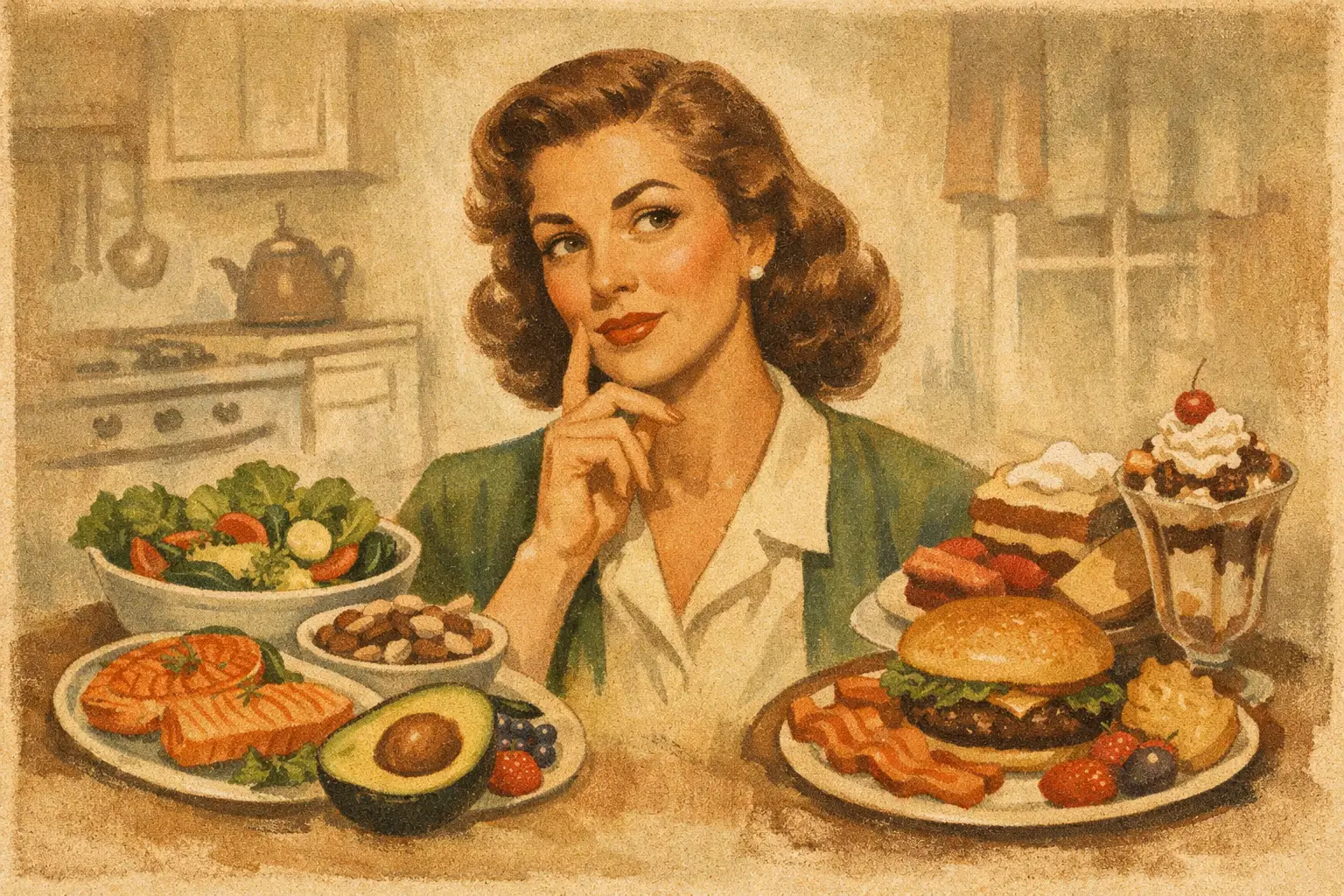
Carbohydrates are where the conversation usually gets emotionally loaded. You do not need to fear carbs, but you may need to be more selective about which ones you eat and how you pair them. A cinnamon roll on an empty stomach will hit your body differently than roasted sweet potato served with grilled chicken and broccoli. The issue is not just carbs themselves. It is the context.
What should women over 45 eat in a normal day?
A good day of eating usually starts with a real breakfast, not just caffeine. That might look like eggs with spinach and half an avocado, or Greek yogurt with chia seeds, walnuts, and berries. If you prefer something savory and fast, leftover turkey burgers with sliced cucumber work better than most packaged breakfast bars.
Lunch should carry the same logic. Think protein first, then fiber, then healthy fat, then a moderate portion of carbs if they help your energy and satisfaction. A grilled chicken salad with plenty of vegetables, pumpkin seeds, olive oil, and a side of quinoa makes sense. So does a turkey lettuce wrap with bean salad and sliced peppers.
Dinner can stay simple. Salmon with roasted Brussels sprouts and cauliflower mash works well. So does taco meat over a burrito bowl with greens, black beans, salsa, and avocado. You are not trying to eat perfectly. You are trying to stop building meals that leave you hungry two hours later.
If you need snacks, choose ones that do some actual work. Apple slices with almond butter, cottage cheese with berries, hard-boiled eggs, or hummus with vegetables are more stabilizing than crackers alone or a handful of something sweet. Snacks are not mandatory, but if you are going to eat between meals, make it count.
The biggest food mistakes women over 45 make
One of the most common mistakes is undereating protein. Another is trying to survive on “healthy” but incomplete meals, like oatmeal alone, salad with almost no protein, or fruit by itself. Those foods are not bad. They are just often not enough.
Another mistake is grazing all day. Constant nibbling can keep blood sugar and insulin elevated, especially if the foods are carb-heavy and low in protein. For some women, eating more structured meals works better than eating tiny amounts all day long.
Then there is the weekend problem. Many women are disciplined Monday through Friday and then spend the weekend in a cycle of takeout, drinks, desserts, and skipping meals to make up for it. That pattern can make your body feel inflamed, hungry, and off balance by Monday morning. Consistency matters more than being extremely strict for five days.
Foods to emphasize if weight loss feels stalled
If your weight is not budging, start by increasing protein and non-starchy vegetables before you start cutting everything else. Often, the problem is not that you are eating too much food overall. It is that your meals are too easy to digest, too low in protein, or too high in refined carbs for your current hormonal environment.
Try building most meals around a palm-sized serving of protein, at least one generous serving of vegetables, and a source of healthy fat. Then add carbs intentionally based on your hunger, activity, and how your body responds. Some women do well with beans, quinoa, fruit, and sweet potatoes daily. Others feel better keeping starches lighter at certain meals. This is where it depends.
If you are highly active, lifting weights, or walking a lot, you may need more carbohydrates than someone who is mostly sedentary and dealing with insulin resistance. If you wake up at 3 a.m. hungry, your meals may be too light. If you crash every afternoon, your lunch may be too carb-heavy and too low in protein. Your body gives clues.
A hormone-smart way to think about food
The best way to eat after 45 is not restrictive. It is strategic. You want meals that help your body feel safe, fueled, and steady. That means fewer blood sugar spikes, better satiety, and enough nourishment to protect muscle and energy.
This is also why extreme diets tend to backfire in midlife. Cutting too many carbs, too much fat, or too many calories can work briefly, but it often leads to fatigue, cravings, poor sleep, and rebound eating. A plan you cannot live with is not the right plan.
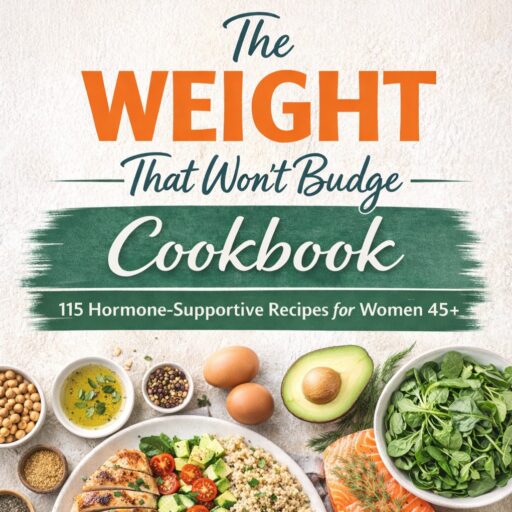
At The Weight That Won’t Budge, the focus is on everyday meals that support real bodies going through real hormonal changes. That means practical food, not punishment.
What should women over 45 eat when life is busy?
Busy days require simple defaults. Rotisserie chicken, pre-washed greens, frozen vegetables, hard-boiled eggs, Greek yogurt, tuna packets, berries, apples, cottage cheese, avocado cups, and pre-cooked beans can save you from the cereal-for-dinner spiral. Convenience matters. If healthy food always requires a full cooking session, it becomes much harder to stay consistent.
It also helps to stop chasing perfect meals. A plate of scrambled eggs, baby carrots, hummus, and fruit is not glamorous, but it is a solid midlife meal. So is a burger patty with salad and roasted vegetables. The body responds to patterns more than Pinterest-worthy plating.
You are not broken, and your body is not betraying you. It is asking for a different kind of support than it needed at 25. Start with balanced meals, enough protein, more fiber, and fewer foods that send your blood sugar on a sharp ride. Then pay attention. The right way of eating after 45 is the one that helps you feel calmer, stronger, and more in control of your hunger.
This content is for informational purposes only and is not intended as medical advice
The Weight That Won’t Budge Cookbook