You used to be able to clean up your eating for two weeks, add a few walks, and see the scale move. Now you can skip dessert, eat salads, and still feel stuck, puffy, tired, and frustrated. If that sounds familiar, this midlife weight loss guide is for you. Not because you need more discipline, but because your body after 45 needs a different strategy.
Midlife weight gain is often treated like a simple math problem – eat less, move more. That advice misses what many women are actually dealing with: changing estrogen and progesterone levels, increasing insulin resistance, higher stress load, disrupted sleep, and a body that does not respond well to under-eating. You are not broken. Your body is asking for support that matches this season of life.
What changes in midlife weight loss
After 45, weight loss can feel slower for reasons that are very real. Hormonal shifts can affect where you store fat, how hungry you feel, how well you sleep, and how steady your blood sugar stays through the day. Many women notice more weight around the middle, stronger cravings in the afternoon or evening, and energy crashes that make exercise feel harder than it used to.
Insulin is a major part of this picture. When blood sugar rises quickly and often, the body releases insulin to help manage it. Over time, if your body becomes less responsive to insulin, fat loss gets harder. That does not mean carbs are bad or that you need to panic about every bite. It means the way you build meals matters more now than it did in your thirties.
Stress matters too. High stress and poor sleep can raise cortisol, which can increase cravings, disturb blood sugar, and make your body hold on to weight. This is why many women feel like they are doing everything right and still not seeing progress. The missing piece is often not effort. It is biology.
A practical midlife weight loss guide that works with your body
The goal is not to eat perfectly. The goal is to lower the daily pressure on your hormones and blood sugar so your body feels safe enough to let go of stored weight. That starts with a few foundational shifts.
Build meals around protein first
If your breakfast is toast, cereal, fruit, or coffee alone, you are likely starting the day on a blood sugar roller coaster. Protein helps steady appetite, supports muscle, and makes meals more satisfying. For midlife women, this is one of the most useful changes to make.
A simple breakfast might be eggs with sauteed vegetables, Greek yogurt with chia seeds and berries, or cottage cheese with walnuts and cinnamon. Lunch and dinner can be just as practical: chicken over a salad with avocado, salmon with roasted vegetables, or turkey taco bowls over cauliflower rice or regular rice with a generous scoop of vegetables.
This does not have to be fancy. It just needs to be consistent.
Stop treating carbs like the enemy
Many women over-correct after weight gain and try to cut carbs very low. Sometimes that helps briefly, but it can also backfire if it leads to cravings, overeating, low energy, or all-or-nothing eating. A better approach is to choose carbs that come with fiber and pair them with protein and healthy fat.
Think berries instead of juice, sweet potato instead of crackers, beans instead of baked goods, or oatmeal with nuts and seeds instead of a plain bagel. Some women feel best with lower-carb meals more often, especially if blood sugar issues are significant. Others do well with moderate amounts of whole-food carbs. It depends on your body, your activity level, and how your energy feels after eating.
Eat enough to calm your system
Undereating is common in midlife, especially in women who have dieted for years. Skipping meals or barely eating all day can raise stress hormones, increase late-night hunger, and make blood sugar swings worse. Then the evening feels out of control, and the cycle continues.
Regular meals help. For many women, that means three balanced meals a day, with one protein-forward snack if needed. If you are always white-knuckling hunger, your plan is probably too restrictive to work long term.
Support muscle to support metabolism
One reason weight loss feels different in midlife is that muscle mass naturally declines with age if we do not actively maintain it. Less muscle can mean a slower metabolism, less insulin sensitivity, and a body that feels softer even at the same weight.
You do not need to become a gym person overnight. Strength training two to three times a week can make a real difference. Bodyweight exercises, resistance bands, dumbbells, or a beginner class all count. Walking is still excellent for stress, blood sugar, and consistency, but it works even better when paired with some form of resistance training.
The everyday habits that make or break progress
This is where many plans fall apart. Not because the woman is failing, but because the plan does not fit real life.
Sleep is one of the biggest hidden drivers of weight gain. If you are sleeping five or six broken hours a night, your hunger hormones, cravings, and energy will often reflect that. You may not be able to fix sleep perfectly right away, especially if stress or hot flashes are part of the picture. But protecting your sleep routine helps more than another round of dieting. A consistent bedtime, less evening scrolling, and balanced dinners can all support better rest.
Stress also deserves a practical answer, not a lecture. You do not need an hour-long morning routine. You need small ways to bring your nervous system down. A ten-minute walk after meals, a few slow breaths before eating, stepping outside for sunlight, or sitting down while you eat instead of grazing in the kitchen all help lower the stress load on your body.
Then there is consistency. Midlife weight loss usually responds better to calm repetition than extreme effort. If you eat well Monday through Thursday and then spend the weekend in a cycle of treats, skipped meals, wine, and regret, your body never gets enough steady time to respond. This is not about perfection. It is about making your weekdays and weekends feel more aligned.
What to eat in a hormone-smart way
A hormone-smart plate is simple. Start with protein. Add non-starchy vegetables. Include a healthy fat. Then add a smart carb based on your hunger, activity, and blood sugar response.
That might look like grilled chicken, broccoli, olive oil, and quinoa. Or a burger patty with a big salad and roasted sweet potatoes. Or a snack of apple slices with peanut butter and a few turkey slices. These meals are not trendy. They work because they help keep blood sugar more stable and reduce the urge to keep snacking all day.
If you want a practical rule, aim to make your first meal and your last meal especially balanced. Those are the meals that often shape your energy, cravings, and evening appetite the most.
What not to do in your midlife weight loss guide
There are a few common mistakes that keep women stuck. One is relying on low-fat diet foods that leave you hungry an hour later. Another is trying to survive on coffee until noon, then wondering why you are ravenous at night. A third is doing more cardio while eating less, even though your body is already stressed and exhausted.
The answer is not to become obsessive. It is to become more strategic. More protein. Better meal timing. Fewer blood sugar spikes. More muscle support. More recovery. Those shifts may sound basic, but they address the real reasons weight loss often stalls in midlife.
If your progress is slower than you want, remember this: fast is not the only kind of success. Better energy, fewer cravings, improved sleep, less bloating, and a more stable appetite are signs that your body is moving in the right direction. The scale often follows, but those non-scale changes matter because they tell you the plan is actually supporting your health.
You do not need to punish your body into losing weight. You need to work with it more wisely. That is the heart of The Weight That Won’t Budge approach, and it is often the shift that finally helps things start to move.
A helpful place to begin is with your next meal. Not Monday. Not next month. Just the next meal. Build it around protein, add fiber, include healthy fat, and eat enough to feel satisfied. Small, hormone-smart choices repeated often can change far more than another strict diet ever will.
This content is for informational purposes only and is not intended as medical advice
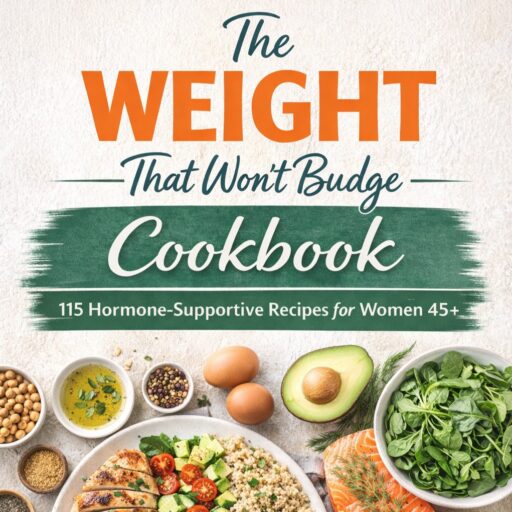
The Weight That Won’t Budge Cookbook