
If your waistline started changing even though your habits did not, that is not your imagination. Perimenopause belly fat causes are often tied to hormone shifts, blood sugar changes, stress, sleep disruption, and muscle loss, not a sudden lack of discipline. This is exactly why so many women over 45 feel like the old rules stopped working overnight.
The frustrating part is that belly fat in midlife is rarely about one thing. It is usually a pileup of changes happening at the same time. You may be eating less, exercising more, and still watching your middle get softer or thicker. That does not mean you are doing everything wrong. It means your body now needs a different kind of support.
Why perimenopause belly fat causes feel so confusing
Perimenopause is not one clean hormonal event. It is a transition, and transitions are messy. Estrogen can swing up and down before it declines more steadily, progesterone often drops earlier, sleep can become unreliable, and stress tolerance can shift. When all of that is happening together, your metabolism and fat storage patterns can change in ways that feel sudden.
Many women also get told to just eat less and move more. That advice misses the real issue. Midlife weight gain, especially around the belly, is often more about hormonal signaling, insulin response, inflammation, and recovery than simple calorie math. Calories still matter, but they are not the whole story.
The biggest perimenopause belly fat causes
Estrogen changes can shift where fat is stored
One of the biggest reasons belly fat appears in perimenopause is a change in estrogen. During the reproductive years, estrogen tends to support fat storage in the hips and thighs. As estrogen becomes more erratic and then begins to decline, fat distribution can shift more toward the abdomen.
That does not mean estrogen is the only hormone involved, but it is a major player. Lower and more unstable estrogen can also affect appetite, blood sugar regulation, and how your body handles stress. So the result is not just where fat goes. It can also influence how easily you gain it.
Insulin resistance becomes more common in midlife
If you feel like carbohydrates hit you differently than they used to, there is a reason. Insulin resistance often becomes more common during perimenopause, especially when sleep is poor, stress is high, and muscle mass is declining.
Insulin is the hormone that helps move glucose out of your bloodstream and into your cells. When your body becomes less sensitive to insulin, it has to produce more of it. Higher insulin levels can make fat loss harder and encourage more fat storage around the middle.
This is one reason the salad-for-lunch, crackers-by-3-p.m. pattern backfires so often. A meal that is too light on protein and fiber may leave you hungry, spike your blood sugar, and set up more cravings later.
Cortisol and chronic stress push fat toward the midsection
Midlife is often a perfect storm for stress. Career pressure, aging parents, financial strain, relationship changes, and poor sleep can all stack up. Your body responds to that stress partly through cortisol.
Cortisol is not a bad hormone. You need it. But when it stays elevated too often, it can increase cravings, raise blood sugar, and make abdominal fat gain more likely. It can also break down muscle over time, which lowers your metabolic support even further.
This is where the story gets personal for a lot of women. You may not be overeating because you lack control. You may be running on stress hormones and trying to function through exhaustion.
Poor sleep changes hunger and fat storage
Sleep problems are one of the most overlooked perimenopause belly fat causes. If you are waking at 3 a.m., sleeping lightly, or dealing with night sweats, your body is not getting the recovery it needs.
Poor sleep can affect insulin sensitivity, increase cortisol, and alter hunger hormones like ghrelin and leptin. Translation: you are more likely to feel hungrier, crave quick energy, and store more fat around your middle. Even a strong nutrition plan becomes harder to follow when your body is under-slept.
This is why telling tired women to just use more willpower is such bad advice. Exhaustion changes metabolism and appetite in very real ways.
Age-related muscle loss slows your metabolic engine
Starting in midlife, women naturally begin to lose muscle mass if they are not actively working to keep it. This matters because muscle helps you use glucose more effectively and supports a healthier resting metabolism.
Less muscle means your body may burn fewer calories at rest and handle carbohydrates less efficiently. That can make belly fat easier to gain and harder to lose. It also explains why doing more cardio while eating less often stops working. If that approach causes more muscle loss, it can make the problem worse.
Inflammation and ultra-processed eating patterns can add fuel
Perimenopause itself can be an inflammatory time for some women, especially when sleep, blood sugar, and stress are off. Add in a diet heavy in ultra-processed foods, frequent snacking, low protein intake, and not enough fiber, and the body can start feeling stuck.
This does not mean you need to eat perfectly. It does mean food quality matters more than many women were taught. A bagel for breakfast, skipped lunch, and takeout at night may look moderate on paper, but it can create a blood sugar roller coaster that keeps belly fat hanging on.
What actually helps when belly fat shows up in perimenopause
The answer is not punishment. It is support. Your body is asking for steadier blood sugar, better recovery, and more muscle-preserving habits.
Start with meals that are built to keep you full and stable. That usually means protein, fiber, and healthy fat at each meal. Eggs with vegetables, Greek yogurt with chia and berries, a chicken salad with avocado, or salmon with roasted vegetables are simple examples. These meals tend to work better than the low-fat, low-protein diet foods many women were told to rely on.
Strength training matters too. You do not need to become a bodybuilder, but your body benefits from regular resistance work. Muscle is one of the best tools you have for improving insulin sensitivity and supporting a healthier metabolism in midlife.
Sleep deserves real attention, not leftover attention. If caffeine is creeping too late into the day, alcohol is disrupting your sleep, or you are under-eating and waking hungry at night, those patterns are worth addressing. Sometimes the most effective fat loss support starts with getting your nervous system out of constant survival mode.
Stress management also needs to be practical. Not perfect, practical. A 10-minute walk after meals, better boundaries, slower mornings, breath work, or simply eating lunch away from your computer can all help lower the stress load that keeps cortisol high.
Why old dieting advice often fails
A lot of women blame themselves because they are still following advice that was never designed for a perimenopausal body. Cutting calories too low can increase stress on the body, worsen cravings, and make it harder to preserve muscle. Hours of cardio can leave you hungrier and more inflamed if recovery is poor. Skipping meals may look disciplined but often leads to unstable blood sugar and overeating later.
That does not mean every woman needs the exact same plan. Some do well with slightly lower carbs. Others need to focus first on sleep and stress before fat loss becomes possible. It depends on what is driving the problem for you. But the larger truth holds – if your body has changed, your strategy needs to change too.
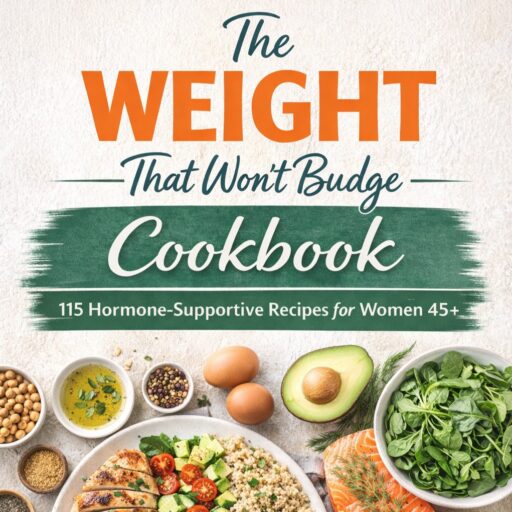
That is the approach behind The Weight That Won’t Budge. Instead of forcing harder dieting onto a hormone-shifting body, the goal is to work with your biology so meals and habits start helping again.
When to look beyond the usual causes
Sometimes belly fat is not just about perimenopause alone. Thyroid issues, certain medications, heavy alcohol intake, untreated sleep apnea, and long-term under-eating can all contribute. If the change feels extreme, very sudden, or comes with other symptoms like major fatigue, hair changes, or blood sugar issues, it is worth discussing with a qualified healthcare provider.
You do not need to panic, but you also do not need to assume this is just aging and nothing can help. Midlife weight gain has causes, and when you understand them, you can respond more effectively.
The most helpful shift is this one: stop treating your belly fat like a personal failure and start treating it like a message. Your body is not broken. It is asking for a more hormone-smart way of eating, moving, and recovering.
This content is for informational purposes only and is not intended as medical advice
The Weight That Won’t Budge Cookbook