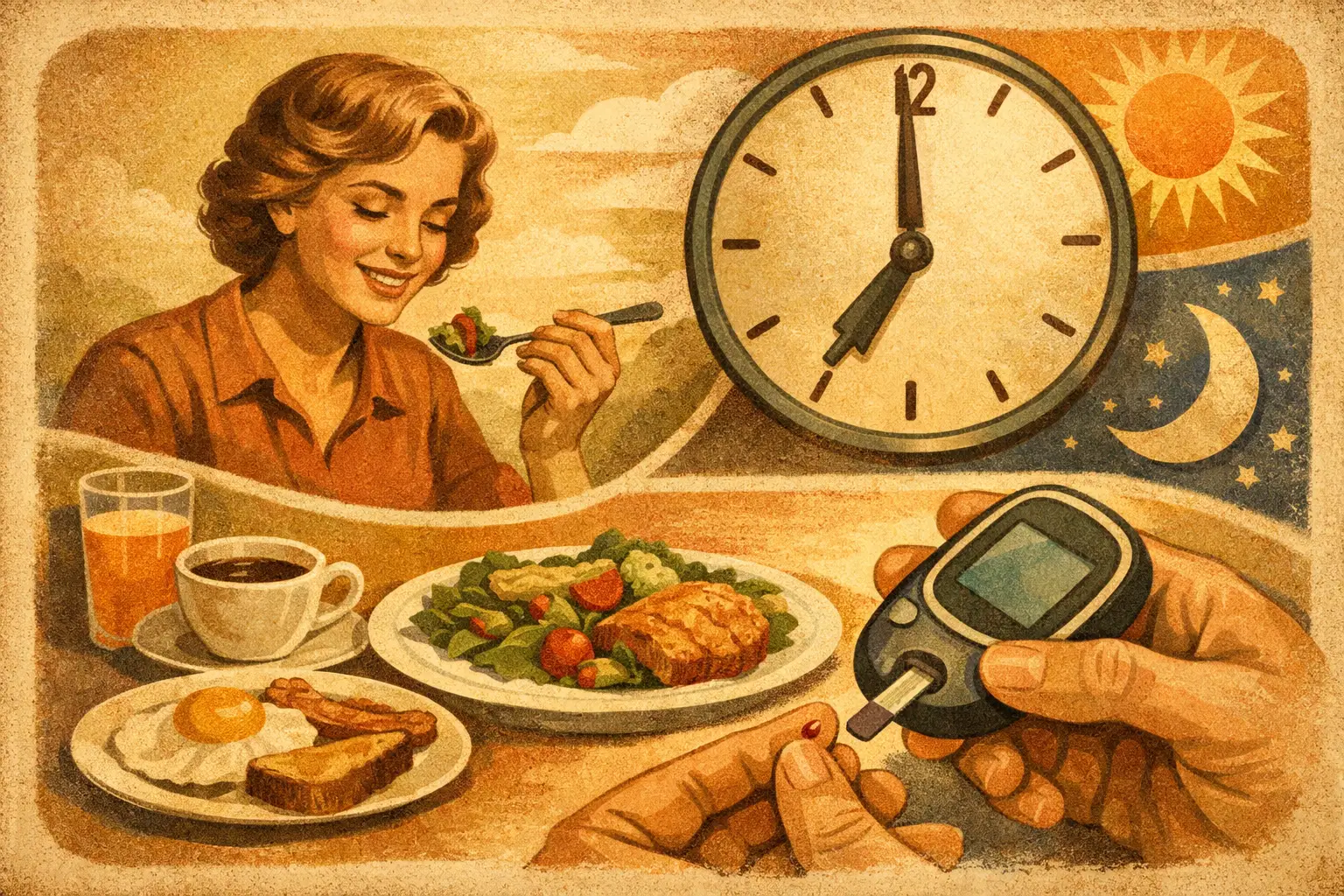
You can eat a salad for lunch, keep dinner “healthy,” skip dessert, and still feel shaky at 3 p.m., wide awake at 2 a.m., and frustrated that the scale will not move. That is often where meal timing for blood sugar becomes the missing piece. For many women over 45, what you eat matters, but when you eat can shape energy, cravings, insulin response, and how manageable your appetite feels all day.
This is not about eating on a rigid schedule or turning your kitchen into a lab. It is about understanding that midlife hormones change the way your body handles stress, carbs, fasting, and long gaps between meals. If your old routine used to work and now it does not, that does not mean you are doing everything wrong. It means your body may need better support.
Why meal timing for blood sugar matters more after 45
In midlife, estrogen and progesterone shifts can affect insulin sensitivity, sleep, and appetite regulation. Add stress, poor sleep, busy workdays, and the habit of grabbing coffee instead of breakfast, and blood sugar can get pushed onto a roller coaster fast.
When meals are spaced in a way that keeps blood sugar steadier, many women notice fewer crashes, less evening snacking, and more stable energy. That matters for weight too. Frequent spikes and drops can increase hunger, drive cravings, and make it harder to stay in tune with actual fullness.
This is where a lot of diet advice misses the mark. It tells women to simply eat less, skip meals, or wait as long as possible before eating. For some women, a longer overnight fast can be helpful. For others, especially if stress is high or blood sugar already feels unstable, delaying food too long can backfire and set up overeating later.
The biggest meal timing mistakes that can work against you
One of the most common patterns is under-eating early and over-eating late. Maybe breakfast is just coffee, lunch is rushed, and dinner becomes the first real meal of the day. That pattern often leads to intense hunger at night, stronger cravings for sweets, and that “I cannot stop snacking” feeling after dinner.
Another problem is going too long between meals. A five or six hour gap may seem harmless, but if your meals are light on protein or fiber, that long stretch can leave you depleted. By the time you eat again, you are not making thoughtful choices. You are trying to recover.
Late, heavy meals can also be tricky. Your body can handle food differently at night, especially if sleep is already poor. Eating a large carb-heavy dinner right before bed may leave you restless, bloated, or hungry again a few hours later.
That does not mean you need a perfect schedule. It means your eating rhythm should help your body feel safe and steady, not constantly playing catch-up.
A realistic rhythm for better blood sugar
For most women, a simple structure works better than extremes. Start by eating within a reasonable window after waking, then aim for meals spaced about four to five hours apart, depending on portion size and balance. If you know you tend to crash between meals, three balanced meals with an optional protein-rich snack can work far better than forcing yourself to wait.
Breakfast does not have to be huge, but it should be more than caffeine. A morning meal with protein, healthy fat, and fiber can help reduce the blood sugar swing that often leads to cravings later. Think eggs with sautéed vegetables, Greek yogurt with chia and berries, or cottage cheese with fruit and walnuts.
Lunch should not be an afterthought. If lunch is tiny, low-protein, or skipped, dinner usually pays the price. A solid lunch might be grilled chicken over a big salad with avocado, a turkey lettuce wrap with fruit, or leftover salmon with roasted vegetables.
Dinner works best when it is satisfying without being oversized. Protein, a non-starchy vegetable, and a smart carb if it works for your body is often a better setup than pasta alone or a bowl of cereal because you are too tired to cook. If evening hunger is a recurring issue, it is usually a sign to look at the whole day, not just your willpower after 8 p.m.
Should you eat every few hours?
Not necessarily. Grazing all day can keep insulin elevated and make it harder to recognize real hunger. But the answer is not to swing to the other extreme and ignore hunger for hours on end.
The goal is a middle ground. Eat often enough to stay steady, but not so often that your body never gets a break. For many women, that means three balanced meals and, if needed, one intentional snack instead of random handfuls of crackers, bites of your grandkids’ food, or standing at the pantry at 4 p.m.
The key word here is intentional. A snack should help stabilize you, not create another spike. Apple slices with almond butter, a hard-boiled egg with cucumber, or plain Greek yogurt with cinnamon will do more for blood sugar than a granola bar marketed as healthy.
Morning, afternoon, and evening each have different challenges
Morning meal timing for blood sugar
If you wake up wired, not hungry, or running late, breakfast may feel unnecessary. But many women discover that eating a protein-first breakfast within one to two hours of waking improves both energy and appetite control later in the day. If a full meal feels too heavy, start smaller. A protein smoothie, egg bites, or unsweetened yogurt can still create a better blood sugar response than coffee alone.
Afternoon slumps and cravings
The afternoon crash is often less about needing sugar and more about blood sugar dropping after an unbalanced first half of the day. If lunch was mostly carbs or skipped, your body is going to ask for fast energy. That is why the vending machine starts sounding persuasive.
Instead of treating the crash as a personal failure, use it as feedback. Your body may need a more substantial lunch, better sleep, more protein at breakfast, or a planned snack before the danger zone hits.
Evening eating and late-night hunger
Night eating is not always emotional eating. Sometimes it is biological. If you did not eat enough earlier, your body will push back later. If dinner is early and bedtime is late, a small balanced snack may actually help some women avoid a blood sugar dip overnight.
This is where nuance matters. Some women sleep better with no food after dinner. Others do better with a light snack such as cottage cheese, a few nuts, or half an apple with peanut butter. The right answer depends on your hunger cues, sleep quality, and the rest of your day.
What meal timing looks like in real life
A good plan has to work on weekdays, not just in a perfect wellness fantasy. If you are in meetings all morning, pack breakfast. If caregiving makes lunch unpredictable, build a backup option you can eat quickly. If dinner gets late because life is busy, avoid arriving at the table starving by having a protein-forward snack in the late afternoon.
This is also why strict intermittent fasting is not automatically the best choice for every woman in midlife. Some feel great with a 12-hour overnight break from dinner to breakfast. Others become more tired, more snacky, and more stressed when they push that fast too long. Longer is not always better. Better is better.
A useful starting point is to stop eating about two to three hours before bed when possible, then eat breakfast when you are genuinely hungry the next morning without delaying so long that you are shaky or ravenous. That gives your body some overnight rest without creating a rebound.
Signs your meal timing is helping
You do not need a continuous glucose monitor to notice progress. Practical signs matter too. You may feel fewer energy crashes, less urgency around sugar, better focus between meals, and less need to overeat at night. You may also notice that your mood feels steadier and your sleep becomes less disrupted.
And if things are not improving, do not assume the concept is wrong. Sometimes the issue is not just timing. Meal composition matters too. A well-timed muffin is still a muffin. Blood sugar support works best when timing and food quality work together.
You are not broken, and you do not need harsher rules. You may simply need a rhythm that matches the body you have now, not the one you had at 32. Small shifts in timing can create surprisingly meaningful changes when they are paired with enough protein, enough food, and a little more consistency than chaos.
If you want this to feel easier, start with one change this week. Eat breakfast with protein, tighten up the gap between lunch and dinner, or stop skipping meals and then wondering why the evening goes off the rails. Simple works when it supports your hormones instead of fighting them.
This content is for informational purposes only and is not intended as medical advice
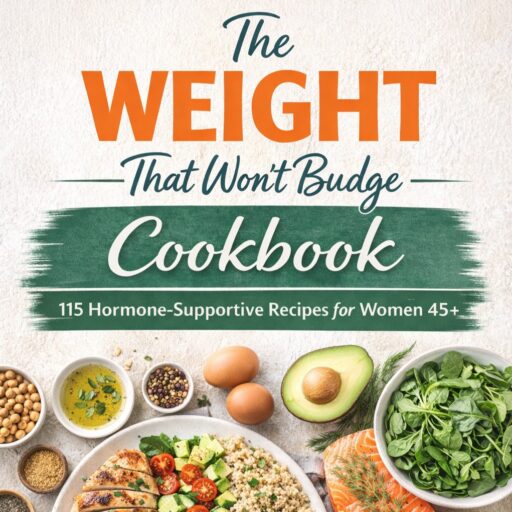
The Weight That Won’t Budge Cookbook