
You clean up your meals, cut back on sugar, start walking more, and the scale finally moves. Then it stops. For many women, figuring out how to break weight loss plateaus after 45 is less about trying harder and more about understanding what changed. Your body is not ignoring you. It is responding to stress, hormones, sleep, muscle loss, and blood sugar patterns in ways that older diet advice rarely addresses.
A plateau does not always mean you are doing something wrong. Sometimes it means your body has adapted to what used to work. Sometimes it means inflammation is up, protein is too low, sleep is off, or your meals look healthy but still keep blood sugar bouncing. The fix is usually not eating less and exercising harder. For midlife women, that approach often makes the problem worse.
Why weight loss plateaus happen after 45
In perimenopause and menopause, estrogen shifts can change where fat is stored, how insulin works, and how efficiently your body uses energy. That can mean more belly fat, more cravings, and slower progress even when your habits seem solid. If you are relying on the same low-calorie strategies that worked in your 30s, a plateau can be your body asking for a different kind of support.
Muscle mass also matters more than most women realize. Starting in midlife, it becomes easier to lose muscle, especially if you are dieting, skipping protein, or doing lots of cardio without strength training. Less muscle can mean a lower metabolic rate. That does not mean your metabolism is broken. It means your body composition may need attention.
Stress is another hidden driver. High cortisol does not magically stop fat loss in every woman, but chronic stress can affect sleep, appetite, blood sugar, and recovery. If your body feels under pressure all day, it is harder to create the internal conditions that support steady fat loss.
How to break weight loss plateaus without starting over
The first step in how to break weight loss plateaus is to stop assuming the answer is stricter dieting. A plateau is often a signal to adjust, not punish yourself.
Rebuild your meals around protein and blood sugar balance
Many women over 45 eat too little protein, especially at breakfast and lunch. A smoothie with fruit, a piece of toast, or a light salad may sound healthy, but it often does not give your body enough protein or staying power. That can lead to cravings later, blood sugar swings, and more snacking than you realize.
Try building meals around a solid protein source first, then add fiber-rich carbs and healthy fat. For example, eggs with sauteed vegetables and avocado works better than toast alone. Greek yogurt with chia seeds and berries is more stabilizing than cereal. Grilled chicken over a salad becomes far more satisfying when you include beans, quinoa, olive oil, or pumpkin seeds.
This is not about eating perfectly. It is about sending your body a more consistent message of nourishment so insulin and appetite cues are less chaotic.
Eat enough to lose fat
This can feel backward, especially if years of dieting taught you that less food equals faster results. But when intake gets too low, energy drops, workouts suffer, hunger rises, and your body adapts. Some women plateau because they are overeating without realizing it. Others plateau because they have been under-eating for so long that their habits are no longer supporting recovery, muscle maintenance, or stable blood sugar.
That is why context matters. If you skip meals, feel cold, think about food all day, or wake up tired and wired, eating a little more strategically may help more than cutting another 200 calories.
Strength train if you are not already
Walking is excellent for health, stress, and consistency. It is not the whole picture. If you want to know how to break weight loss plateaus in midlife, preserving and building muscle has to be part of the conversation.
You do not need bodybuilding workouts. Two to four strength sessions a week can make a real difference. Bodyweight moves, resistance bands, dumbbells, or machines all count. The goal is to challenge your muscles enough that your body gets the message to keep them.
More muscle supports better glucose handling, better function, and often better body composition even before the scale changes much. That matters because sometimes a plateau on the scale hides progress in inches, strength, and inflammation.
The everyday habits that quietly stall progress
A plateau is rarely caused by one dramatic mistake. More often, it comes from a handful of small patterns that add up.
Your sleep may be working against you
Poor sleep can raise hunger, increase cravings for quick carbs, and make workouts feel harder than they should. It can also affect insulin sensitivity. If you are waking at 3 a.m., scrolling late, or getting five or six broken hours a night, your body is dealing with more than food.
Start with what is realistic. A consistent bedtime, less alcohol, a protein-forward dinner, and limiting caffeine later in the day can help. Sleep is not a bonus habit. For many women after 45, it is a fat-loss strategy.
Healthy snacks can still keep insulin elevated
This is where many women get stuck. A handful of crackers here, a granola bar there, fruit alone in the afternoon, a few bites while cooking dinner – none of it feels excessive. But frequent grazing can make it harder for insulin to come down, especially if those snacks are mostly carbs.
If you are genuinely hungry between meals, pair carbs with protein or fat. Apple slices with cottage cheese works better than the apple alone. Turkey roll-ups work better than pretzels. If you are not hungry and the snacking is stress or boredom, that is useful information too.
Too much cardio can backfire
More exercise is not always better. Long, intense cardio sessions without enough recovery can increase hunger and leave you drained. For some women, it also becomes harder to maintain muscle.
That does not mean cardio is bad. It means the mix matters. Walking, strength training, and a reasonable amount of higher-intensity work often support better results than trying to burn off every bite with endless exercise.
When the scale is stuck but your body is changing
This part matters. A true plateau means nothing is changing for several weeks, not just a few frustrating days. Weight can stall because of water retention, constipation, a salty meal, your cycle if you are still having one, inflammation from a harder workout, or poor sleep. That is not the same as fat gain.
Use more than one measure. Notice how your clothes fit, how your rings feel, your waist measurement, your energy, cravings, digestion, and strength. If you are lifting heavier, sleeping better, and feeling less puffy, your body may be healing even if the scale is slow to catch up.
A smarter reset for how to break weight loss plateaus
If your progress has stalled, try a two-week reset instead of another extreme plan. Build each meal around protein, include non-starchy vegetables twice a day, add strength training if you have skipped it, and reduce random snacking. Keep walking. Drink enough water. Get to bed earlier than you think you need to.
Simple meal ideas help. Think leftover salmon over greens with olive oil and beans for lunch. Think ground turkey with roasted vegetables and cauliflower rice for dinner. Think cottage cheese, eggs, or Greek yogurt for breakfast if mornings are rushed. These are not diet foods. They are hormone-smart building blocks that help your body feel safe enough to respond again.
If nothing changes after consistent effort, it may be time to look deeper. Thyroid issues, insulin resistance, medications, alcohol intake, and chronic under-eating can all play a role. This is where being honest and curious helps more than being harsh with yourself.
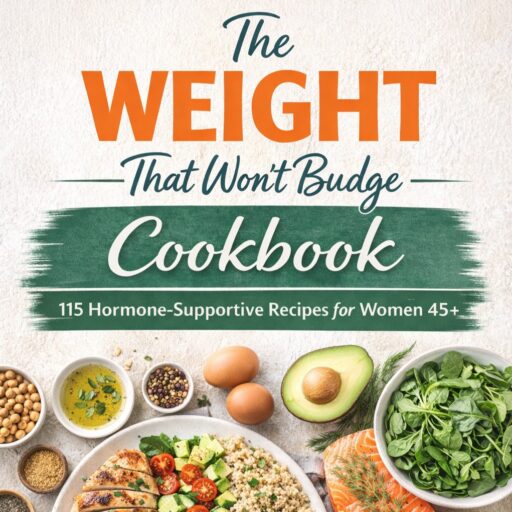
You do not need to prove your discipline. You need a plan that respects the body you live in now. That is the work at The Weight That Won’t Budge, and it starts by replacing blame with better strategy.
A plateau is frustrating, but it is not a verdict. Sometimes it is simply the moment your body asks for more support, more nourishment, and a smarter rhythm than diet culture ever gave you.
This content is for informational purposes only and is not intended as medical advice The Weight That Won’t Budge Cookbook