If your usual meals suddenly leave you hungry two hours later, there is a reason. After menopause, your body becomes less efficient at maintaining muscle, managing blood sugar, and bouncing back from long stretches without enough nourishment. That is why finding the best protein sources after menopause is not just about eating “healthy”. It is about eating in a way that actually works with your changing hormones and metabolism.
For many women over 45, this is the missing piece. You may be eating less than you used to, skipping meals, choosing lighter foods, and still watching the scale stall or climb. You are not broken. Your protein needs simply deserve more attention now than they did in your 20s or 30s.
Why protein matters more after menopause
Estrogen helps support muscle mass, insulin sensitivity, and body composition. When estrogen drops, muscle loss tends to speed up, especially if you are under-eating protein or relying on carb-heavy meals that leave blood sugar on a roller coaster. Less muscle means a lower metabolic rate over time, which is one reason weight can feel harder to lose in midlife.
Protein helps on several fronts. It supports muscle repair and maintenance, helps you stay full longer, and can blunt the blood sugar swings that drive cravings and energy crashes. It also takes more work for your body to digest than carbs or fat, which slightly increases the energy your body uses after a meal.
That does not mean every meal needs to look like a bodybuilder’s plate. It does mean that a piece of toast, a banana, or a small bowl of cereal is usually not enough to carry you through the morning anymore.
What makes the best protein sources after menopause?
The best protein sources after menopause do more than add grams of protein. They should also be practical, satisfying, and easy to build into real life. A good option is one that supports muscle health, helps stabilize appetite, and fits your digestion, preferences, and schedule.
Quality matters, but so does consistency. You do not need a perfect meal plan. You need repeatable choices you will actually eat.
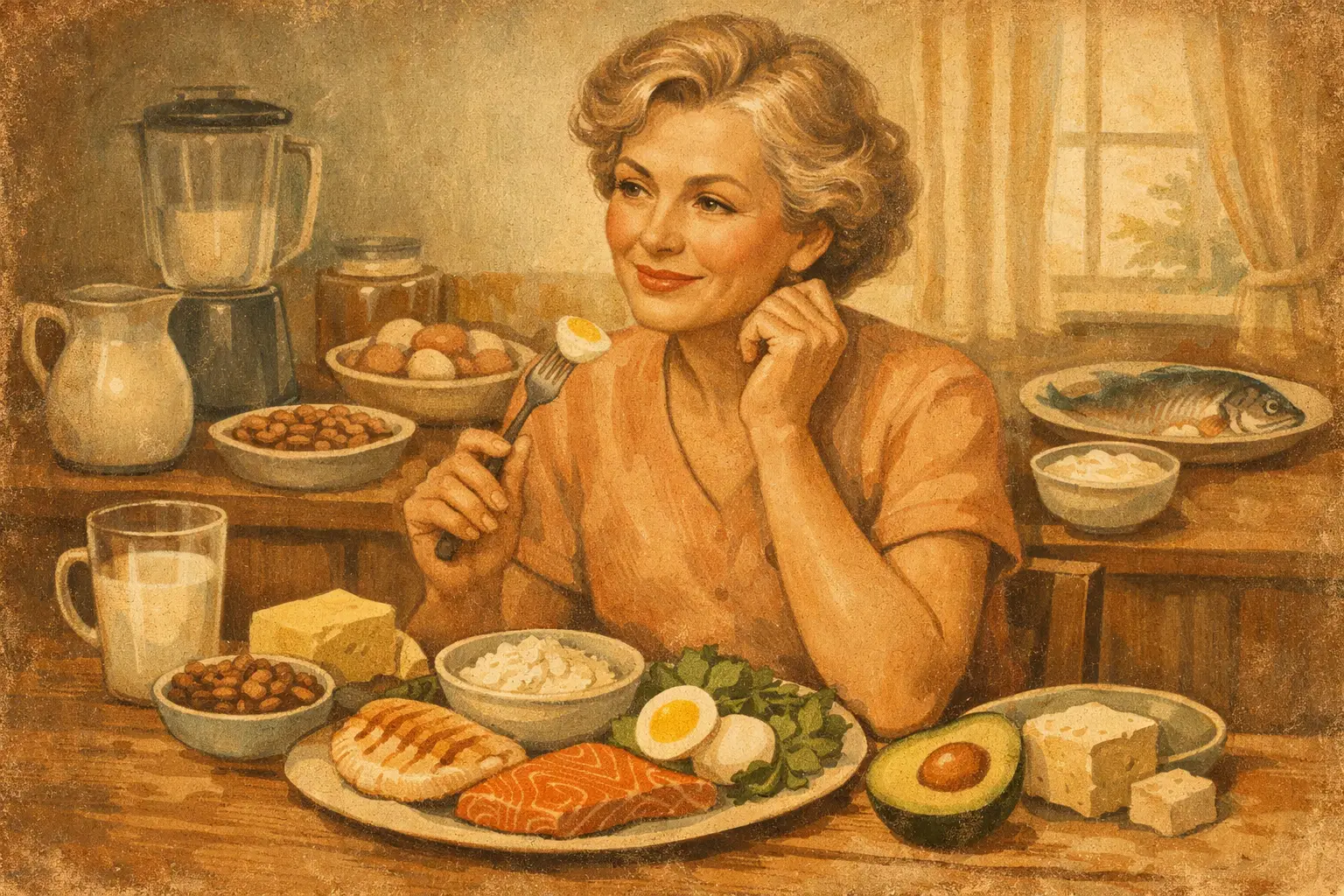
Eggs
Eggs are one of the simplest high-quality proteins you can keep on hand. They are rich in essential amino acids and especially helpful at breakfast, where many women tend to under-eat protein. A veggie omelet, hard-boiled eggs with fruit, or eggs alongside Greek yogurt can make a much bigger dent in hunger than toast alone.
If you have been told to fear egg yolks, it may be time to update that thinking. For many women, the yolk adds nutrients and staying power. If you have specific cholesterol concerns, that is a conversation for your doctor, but for a lot of healthy women, eggs can absolutely fit.
Greek yogurt and cottage cheese
These are easy wins because they are convenient, protein-dense, and versatile. Greek yogurt works well for breakfast or as an afternoon snack, especially when paired with berries, chia seeds, or a few nuts. Cottage cheese is often overlooked, but it can be a strong option for women who want something savory or need a quick lunch base.
Choose plain versions when possible. Flavored yogurts can turn a high-protein food into a dessert-level sugar bomb pretty quickly. If plain feels too tart, add cinnamon, berries, or a small drizzle of honey instead of buying a pre-sweetened cup.
Chicken and turkey
Lean poultry remains one of the most practical protein staples for midlife nutrition. Chicken breast, chicken thighs, turkey breast, or ground turkey can be batch-cooked and used in salads, bowls, soups, lettuce wraps, and quick dinners.
Thighs tend to be more flavorful and forgiving, while breast is leaner. Neither is automatically better. If chicken breast leaves you unsatisfied and searching the pantry later, a slightly richer cut may actually work better for appetite control.
Fish and seafood
Salmon, tuna, sardines, shrimp, and cod bring protein plus additional benefits. Fatty fish like salmon and sardines also provide omega-3 fats, which can support heart health and help calm inflammation. That matters after menopause, when cardiovascular risk starts to rise.
Seafood can also be easier to digest for some women than heavier meat-based meals. Canned salmon or tuna can save a busy weeknight, and shrimp cooks fast enough to make a protein-centered meal feel doable even when you are tired.
Lean beef and bison
Red meat gets a lot of mixed messaging, but it can be a useful protein source after menopause, especially for women who are low in iron, feel fatigued, or struggle to stay full. Beef and bison also provide nutrients like zinc, iron, and B vitamins.
The trade-off is that portion size and frequency matter. You do not need a giant steak every night. A sensible serving added to a balanced plate with vegetables and fiber-rich carbs can work well. Processed meats are a different category and are not the same as a simple cut of beef.
Tofu, tempeh, and edamame
If you prefer plant-forward meals, soy foods are some of the strongest options. Tofu, tempeh, and edamame provide more protein than many other plant foods and can be easier to build meals around than beans alone.
Soy can be especially helpful for women looking for meatless options that still feel substantial. Tempeh tends to have a firmer texture and slightly nuttier flavor, while tofu is more adaptable. Edamame works well in bowls, salads, or simple snack plates.
Beans and lentils
Beans and lentils are valuable, but they are often overestimated as a stand-alone protein. They do contain protein, but they also come with carbohydrates, so they may not keep you full in the same way as chicken, fish, eggs, or Greek yogurt unless you build the meal carefully.
That does not make them bad. It just means context matters. A lentil soup with added chicken sausage or a bean bowl topped with salmon can be much more satisfying and blood sugar-friendly than beans over rice alone.
Protein powders
Whole food should do most of the work, but protein powder can be a practical tool. If breakfast is rushed, your appetite is low in the morning, or you struggle to hit protein goals, a smoothie with protein powder can help fill the gap.
Look for an option with a short ingredient list and enough protein to matter. Some powders are mostly fillers, sweeteners, or greens with only a small amount of actual protein. A smoothie is not automatically healthy just because it is blended. Pair the powder with unsweetened milk, berries, nut butter, or flax for a more balanced result.
How to use the best protein sources after menopause in real meals
The goal is not to obsess over every gram. The goal is to stop letting protein be an afterthought.
Start with breakfast. This is where many midlife women accidentally set themselves up for cravings later. Instead of oatmeal alone or toast and fruit, try eggs with sautéed vegetables, Greek yogurt with berries and chia, or a protein smoothie with fiber and fat.
At lunch and dinner, build the plate around protein first, then add produce and smart carbs. That could mean salmon with roasted vegetables and sweet potato, turkey taco bowls, chicken salad over greens, or tofu stir-fry with broccoli and cauliflower rice or brown rice, depending on your needs and activity level.
Snacks can help too, especially if dinner is late. Cottage cheese, a boiled egg, turkey roll-ups, edamame, or plain Greek yogurt will usually serve you better than crackers or a granola bar when your hormones are already making appetite regulation trickier.
A few protein mistakes that can keep weight stuck
One common mistake is saving most of your protein for dinner. Your body does better when protein is spread across the day, especially for muscle maintenance and appetite control.
Another is choosing foods that sound healthy but are too low in protein to be effective. Almond milk smoothies without protein powder, salads with barely any chicken, or snack plates made mostly of fruit can leave you underfed even if your calories look reasonable.
And finally, do not assume more is always better. If a very high-protein diet crowds out fiber, vegetables, or healthy fats, that can create other issues. Midlife nutrition works best when meals are balanced, not extreme.
A helpful place to start is simple: make sure each meal contains a meaningful source of protein you can actually see, not just a trace amount hidden in grains or vegetables.
If your body has felt unfamiliar lately, this is one of the most supportive changes you can make. More protein will not solve every menopause symptom, but it can make meals more stabilizing, energy more steady, and weight management less frustrating. That is not about eating perfectly. It is about finally eating in a way that respects what your body needs now.
This content is for informational purposes only and is not intended as medical advice
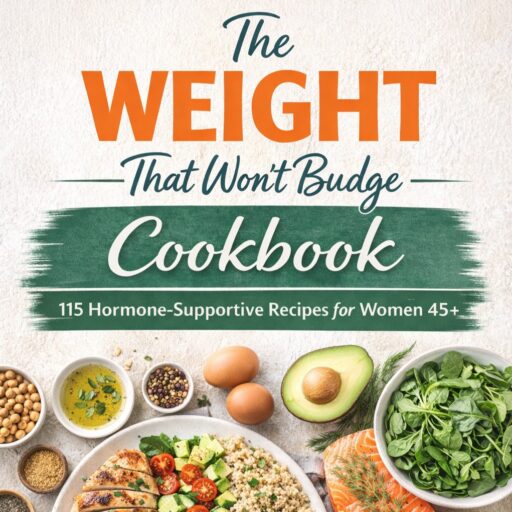
The Weight That Won’t Budge Cookbook