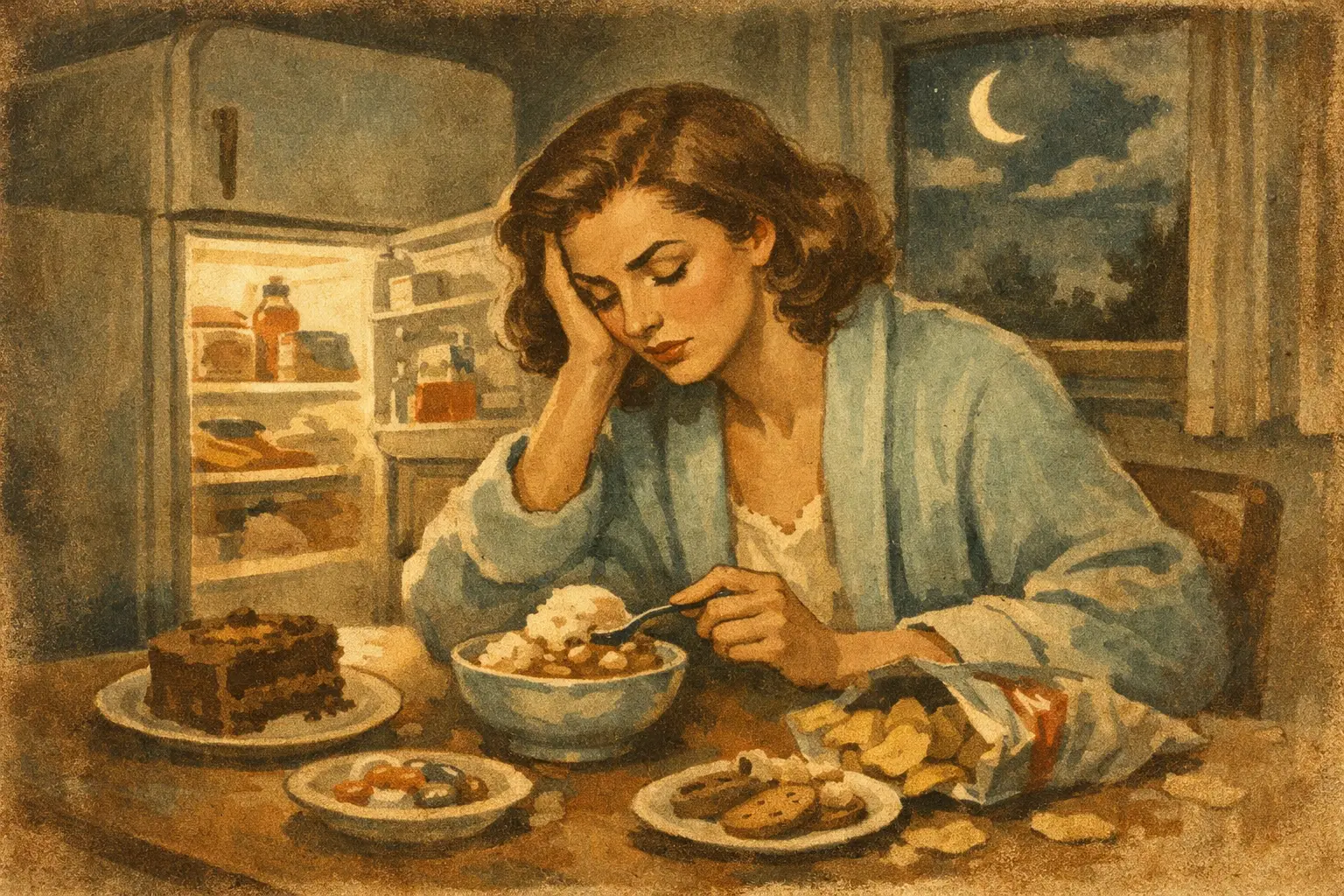
If your eating feels fairly controlled all day and then unravels after dinner, you are not lacking discipline. For many women over 45, figuring out how to stop overeating at night has less to do with willpower and more to do with blood sugar swings, stress, under-eating earlier in the day, and the very real hormonal shifts that come with midlife.
Night eating often gets framed as a bad habit. Sometimes it is a habit. But very often, it is also your body trying to catch up. If breakfast was light, lunch was rushed, protein was low, and stress ran high, evening hunger can hit hard. Add fatigue on top of that, and the chips, crackers, cereal, or something sweet can start calling your name.
Why overeating at night happens more in midlife
In your 20s and 30s, you may have been able to skip meals, eat a salad for lunch, and still feel mostly fine. After 45, that same pattern can backfire. Hormonal changes can make your body more sensitive to blood sugar highs and lows, and insulin resistance often becomes more of a factor. That means a skimpy meal or carb-heavy snack earlier in the day can set the stage for stronger cravings later.
There is also the stress piece. Cortisol does not politely clock out at 5 p.m. If your day is packed with work, caregiving, decision fatigue, and poor sleep, your body is more likely to look for fast energy at night. That does not mean you are weak. It means your system is tired and asking for relief in the easiest way it knows how.
And then there is the emotional pattern that many women know well but rarely say out loud. Night may be the first moment all day that feels like it belongs to you. Food can start to feel like comfort, reward, entertainment, or a break. That is real too.
How to stop overeating at night without white-knuckling it
The fix is rarely to just “be good” after dinner. That approach tends to work for two nights, maybe three, and then the cycle returns. A better strategy is to make night overeating less likely in the first place.
Eat enough earlier in the day
This is where many women need a gentle but direct correction. If you are trying to lose weight by barely eating until dinner, your nighttime appetite is not the problem. The setup is the problem.
Start with breakfast or your first meal. Include protein, healthy fat, and fiber so your body gets a steadier stream of energy. That could look like eggs with vegetables and avocado, Greek yogurt with chia seeds and berries, or cottage cheese with walnuts and fruit. Lunch needs the same balance. A plain salad is usually not enough if it leaves you prowling the pantry at 9 p.m.
A more hormone-smart lunch might be grilled chicken over greens with beans, olive oil, and chopped veggies, or a turkey wrap with a side of raw vegetables and hummus. The goal is not perfection. The goal is fewer blood sugar crashes.
Build dinner so it actually satisfies you
A dinner that is too small, too low in protein, or mostly starch can leave you physically full but still hunting for something after. Satisfaction matters. If dinner never feels complete, your body will keep looking.
Aim for a solid protein source, non-starchy vegetables, and a smart portion of fiber-rich carbs or healthy fats, depending on what works best for your body. Think salmon with roasted broccoli and sweet potato, taco bowls with ground turkey, cauliflower rice, black beans, salsa, and avocado, or a simple stir-fry with chicken and vegetables.
This is one of those places where it depends. Some women feel better with a modest portion of carbs at dinner because it helps them relax and prevents later cravings. Others notice that a very carb-heavy dinner makes them snackier. Pay attention to your own pattern instead of forcing a one-size-fits-all rule.
Stop waiting until you are starving
There is a difference between a planned evening snack and reactive grazing. If dinner is at 6 and you stay up until 11, it may be completely reasonable to have a small balanced snack around 8:30. That is not failure. That is eating in a way that matches your actual schedule.
The key is choosing a snack that stabilizes you instead of sending you back for more. Try apple slices with almond butter, Greek yogurt with cinnamon, a boiled egg with a few crackers, or cottage cheese with berries. A handful of dry cereal eaten straight from the box usually turns into two or three handfuls for a reason. It digests quickly and does not do much to steady appetite.
The hidden triggers behind evening overeating
Sometimes the issue is hunger. Sometimes it is something else wearing a hunger costume.
Stress and emotional depletion
By nighttime, your decision-making power is lower. If you have spent the whole day holding everything together, food can feel like the fastest way to take the edge off. That does not mean food is the enemy. It means you may need one more form of relief besides eating.
Before you head to the kitchen, pause and ask, am I hungry, tired, stressed, lonely, or just done? Even a two-minute check-in can help you respond more accurately. You may still choose a snack, but you will be making a clearer choice instead of running on autopilot.
Poor sleep patterns
If you are regularly overtired, cravings usually get louder. Sleep disruption is common in perimenopause and menopause, and it can absolutely affect appetite hormones and evening self-control. If you are staying up late, scrolling, snacking, and then sleeping poorly, the whole cycle can feed itself.
A simple nighttime rhythm helps more than most people expect. Dim the lights, close the kitchen after your planned last meal, make tea if that works for you, and create some kind of boundary between dinner and random grazing. Not a punishment. Just a signal that the day is winding down.
Food rules that are too rigid
Ironically, being too strict can make overeating worse. If you tell yourself that bread, dessert, or snacks are completely off-limits, those foods often become more charged. Then when you finally eat them, it turns into an all-or-nothing moment.
A more sustainable approach is to include satisfying foods on purpose instead of treating them like a moral problem. Sometimes a square of dark chocolate after dinner prevents a later raid on the pantry. Sometimes allowing a planned portion of popcorn works better than trying to avoid it and ending up in the cookie jar instead.
Practical ways to make nighttime eating easier to manage
Your environment matters. If your favorite trigger foods are visible, open, and easy to grab, tired-you will notice. You do not need a perfect kitchen, but it helps to make the better choice more convenient.
Portion snacks before you sit down. Do not eat from the bag if overeating is a pattern for you. Keep protein-forward options in plain sight. Leftover chicken, hard-boiled eggs, Greek yogurt, edamame, and cut vegetables are not glamorous, but they make a real difference when hunger hits.
It also helps to decide what evening eating looks like before the evening starts. That might mean telling yourself, if I am hungry after dinner, I will have yogurt with berries or apple and peanut butter. That small amount of structure can reduce the mental debate that leads to grazing.
When to look deeper at your pattern
If nighttime overeating feels intense, frequent, or hard to interrupt, it may be worth looking beyond food choices alone. Blood sugar imbalance, chronic stress, poor sleep, certain medications, and emotional eating patterns can all play a role. In some cases, talking with a qualified health professional can help you sort out what is driving it.
This is especially true if you notice strong cravings after high-carb meals, frequent energy crashes, waking in the night hungry, or a constant feeling that your appetite is working against you. Those clues matter. They are not character flaws.
If you have been wondering how to stop overeating at night, start by getting curious instead of critical. Eat enough during the day. Build meals that truly satisfy. Give yourself a planned option if you need an evening snack. And remember that your body is not trying to sabotage you. It is responding to the signals it has been given.
You are not broken, and you do not need more shame. You need a strategy that works with your changing body, not against it.
This content is for informational purposes only and is not intended as medical advice
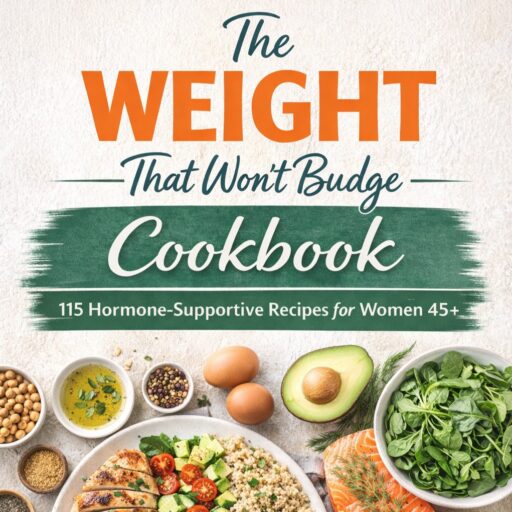
The Weight That Won’t Budge Cookbook