You've been eating well. You've been showing up to the gym. And for a while, the scale was moving in the right direction. Then it just stopped. Not for a day or two, but for weeks. You're doing the same things that worked before, but your body doesn't seem to care anymore.
This is one of the most frustrating parts of losing weight. It's also one of the most misunderstood. Most people assume they're doing something wrong, so they cut calories even harder or add more cardio. But the truth is, your body is actively fighting back. It has a whole arsenal of metabolic and hormonal adjustments designed to resist further weight loss. And that's not a flaw in your willpower. It's just biology.
This post breaks down exactly why your weight loss has stalled, from metabolic adaptation to hidden calorie creep to exercise efficiency. Then we'll get into the strategies that actually work to get things moving again, including diet breaks, smarter training, sleep optimization, and better ways to measure your real progress.
The Science Behind Your Weight Loss Plateau
Metabolic Adaptation: Your Body's Survival Response
Your body doesn't know you're trying to fit into your favorite jeans. It thinks you're starving.
When you lose weight, something frustrating happens under the hood. Your metabolism slows down way more than it should. We're talking about a 10-25% decrease in your basal metabolic rate beyond what losing weight alone would explain. Scientists call this adaptive thermogenesis, but you can just think of it as your body hitting the brakes.
Here's what makes this so tricky: a person who weighs 150 pounds after losing weight will burn fewer calories than someone who naturally weighs 150 pounds. Same weight, different metabolic rates. Your body becomes a calorie-saving machine.
The hormone leptin plays a huge role here. When you restrict calories, leptin levels plummet. This hormone normally tells your brain that you have enough energy stored, but when it drops, your brain freaks out. It cranks up your hunger signals and simultaneously tells your body to conserve energy. You're fighting biology itself.
Your body also gets better at squeezing every bit of energy from the food you eat. Activities that used to burn a certain number of calories now burn less because your body has become more efficient. It's like your metabolism learned to drive a hybrid instead of an SUV.
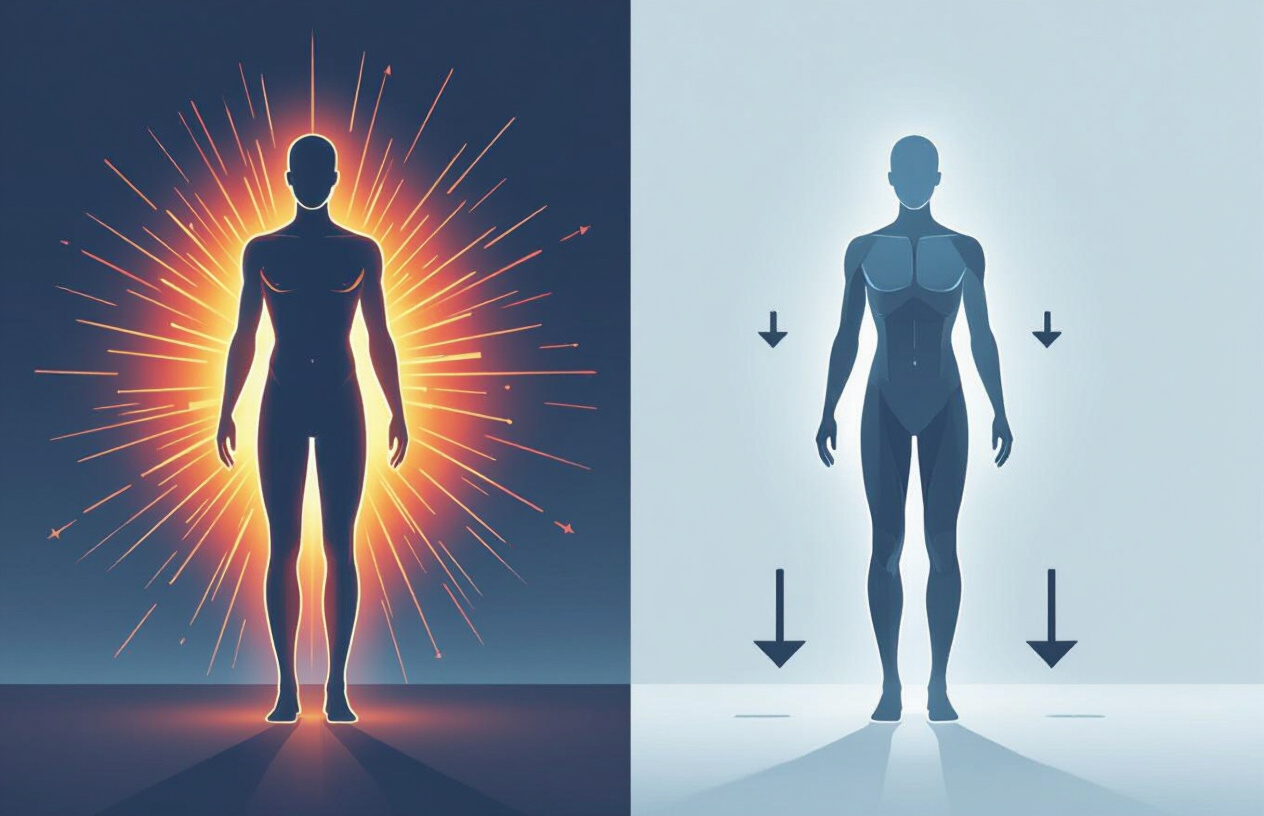
The worst part? This adaptation doesn't just disappear when you reach your goal weight. Research shows these metabolic changes can stick around for months or even years after you finish losing weight. Your body remains in this protective, energy-conserving mode, making weight maintenance feel like a constant uphill battle.
Hormonal Changes That Stall Progress
Your hormones can sabotage your progress even when you're doing everything right.
Cortisol, your stress hormone, tends to spike during prolonged dieting and intense exercise. This creates a perfect storm for water retention. You might be losing fat while the scale refuses to budge because cortisol is making you hold onto water. That can mask several pounds of actual progress.
Your thyroid takes a hit too. Production of T3, the active thyroid hormone, drops by 15-30% when you diet. This directly slows your metabolic rate and makes you feel sluggish. Your body is literally running on a slower engine.
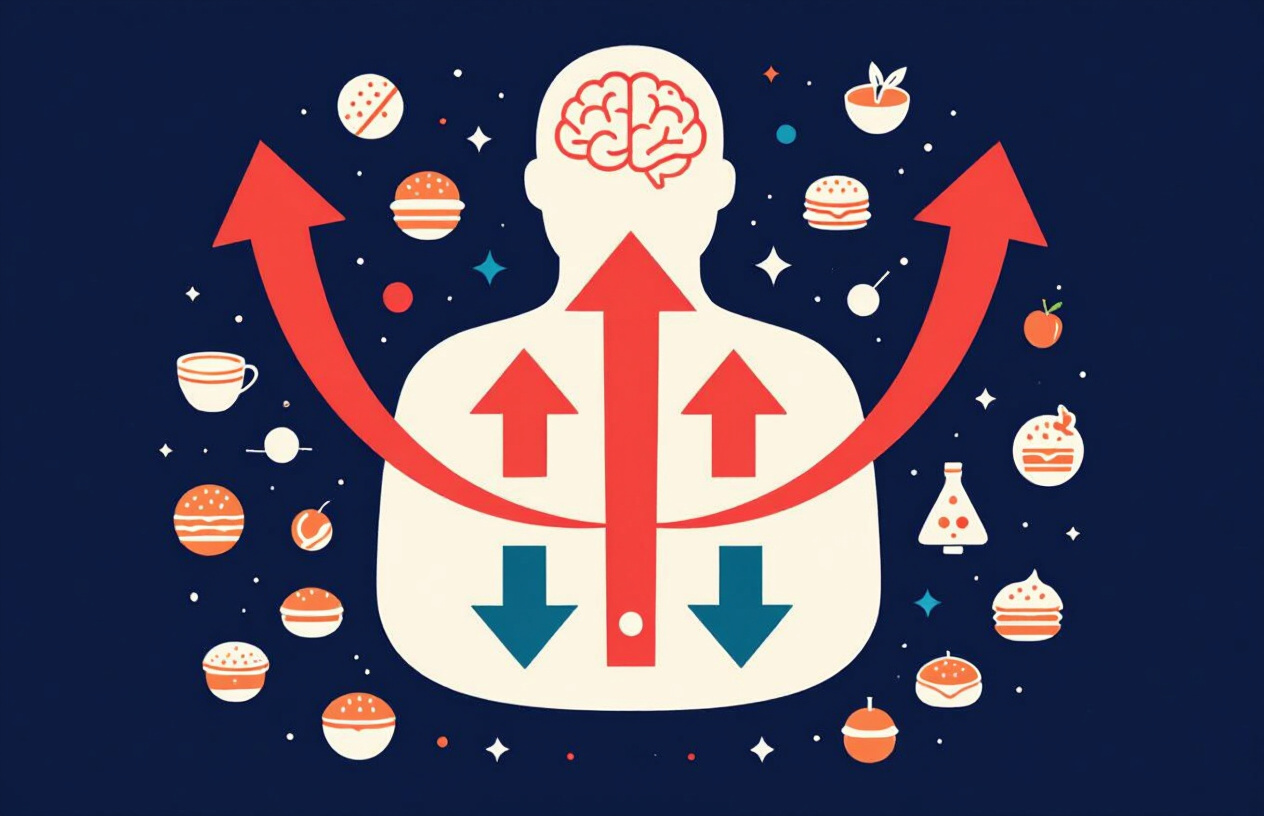
Then there's the hunger hormone situation. Ghrelin shoots up after weight loss, screaming at you to eat more. At the same time, peptide YY (the hormone that makes you feel full) decreases. You get hungrier while feeling less satisfied by your meals.
 Talk about unfair.
Women face an additional challenge. When body fat gets too low or exercise becomes excessive, reproductive hormones go haywire. Your body may actually increase fat storage as a protective mechanism, prioritizing survival over your aesthetic goals.
The Hidden Calorie Creep Phenomenon
You think you're eating 1,500 calories. You're probably eating closer to 2,000.
Research shows people underestimate their food intake by 20-50%, even when they swear they're tracking accurately. That "small handful" of almonds? Probably twice the portion size you logged. The cooking oil you don't count? That's another 100-200 calories.
Here's another sneaky problem: as you lose weight, your calorie needs drop. But many people keep eating the same amount that worked when they first started losing weight. What created a 500-calorie deficit at 200 pounds might only create a 200-calorie deficit at 170 pounds.
Dietary drift happens so gradually you don't notice it. Your portions creep up week by week. That tablespoon of peanut butter becomes a heaping tablespoon. Your "medium" chicken breast gets bigger. Small changes add up to hundreds of extra calories.
Weekend eating destroys more progress than you'd think. Your weekday deficit can get wiped out by two days of relaxed eating, erasing 50-75% of your weekly calorie deficit without you realizing it.
Exercise Adaptations That Reduce Calorie Burn
Your workouts aren't burning as many calories as they used to.
When you do the same exercises repeatedly, your body gets better at them. Sounds good, right? Not for weight loss. Your body becomes mechanically efficient, burning 5-10% fewer calories for the same workout over time. That 400-calorie run might now only burn 350 calories.
NEAT (non-exercise activity thermogenesis) quietly sabotages your efforts. You fidget less. You sit more. You take fewer spontaneous movements throughout the day. These tiny decreases in daily activity can slash your calorie burn by several hundred calories without you consciously noticing anything different.
The afterburn effect gets smaller too. As your cardiovascular fitness improves, your body recovers faster from workouts. You burn fewer calories after exercise ends.
And here's the real kicker: muscle loss during weight loss accounts for 20-30% of the total weight you lose. Less muscle means a slower metabolism, making every pound harder to lose than the last.
Evidence-Based Strategies to Break Through Your Plateau
Strategic Diet Breaks and Refeeds
Your body isn't designed to lose weight forever. When you've been dieting for weeks or months, taking a planned break might sound counterintuitive, but it's one of the smartest moves you can make.
A diet break means eating at maintenance calories for two full weeks. Not a cheat week where you go wild, but a calculated pause where you eat enough to maintain your current weight. Research shows that scheduling these breaks every 6-8 weeks can partially reverse the metabolic slowdown that happens when you diet. Your metabolism gets a chance to recover without completely undoing your progress.
Think of it like hitting the reset button on your body's starvation defenses. You're telling your system that food isn't scarce anymore, which helps restore some of the hormonal changes that make weight loss harder over time.
Refeed days work similarly but on a smaller scale. Pick one or two days per week to increase your carbohydrate intake up to maintenance levels while keeping protein high and fat moderate. These strategic higher-carb days can temporarily boost leptin by 10-30%, which helps control hunger and keeps your energy expenditure from tanking completely.
The MATADOR study proved this approach works better than continuous dieting. People who took regular two-week diet breaks lost more fat and experienced less metabolic adaptation than those who dieted straight through. They also kept the weight off better during follow-up periods.

Beyond the physical benefits, diet breaks give you mental breathing room. Constant restriction wears you down psychologically. Having planned periods where you're not in a deficit makes the whole process more sustainable. You can enjoy social events, eat a normal amount at family dinners, and remember what life feels like without constantly fighting hunger.
The key is planning these breaks in advance and treating them as part of your strategy, not as failures or slip-ups. Track your maintenance calories accurately and stick to them during break periods.
Precision Nutrition Adjustments
Your nutrition strategy that worked at the beginning probably needs tweaking now. Small errors and outdated calculations add up fast.
Start with protein. Bump it up to 1.0-1.2 grams per pound of body weight if you haven't already. Yes, that's a lot. A 150-pound person needs 150-180 grams daily. Higher protein intake protects your muscle mass when calories are restricted, keeps you fuller longer, and burns more calories during digestion than carbs or fat. Protein has a thermic effect of 20-30%, meaning your body uses up to 30% of protein's calories just processing it.
Here's something most people miss: your calorie needs drop as you lose weight. A lot. Every 10-15 pounds you lose, you need to recalculate your maintenance calories and adjust your deficit accordingly. The calorie target that created a 500-calorie deficit when you weighed 200 pounds might only create a 200-calorie deficit at 170 pounds. That slower progress isn't a plateau, it's math.
Get your food scale back out for a reality check. Even if you've been tracking for months, spend 2-3 weeks weighing everything again. Portion creep happens to everyone. That tablespoon of peanut butter slowly becomes a heaping tablespoon. Your "medium" banana is actually large. These small miscalculations compound across multiple meals and weeks.
Focus on whole, minimally processed foods whenever possible. They have a significantly higher thermic effect than processed alternatives. Your body burns more calories digesting a chicken breast and sweet potato than it does processing a protein bar with the same macros. The difference between whole foods and processed foods can be 15-20% in terms of net calories absorbed.
Exercise Programming Modifications
Cardio alone won't fix a plateau. Your exercise routine needs an upgrade.
Resistance training should be your foundation. Lift weights 3-4 times per week, focusing on compound movements that work multiple muscle groups. Each pound of muscle you maintain or build increases your resting metabolic rate by 7-8%. Muscle is metabolically expensive tissue that burns calories even when you're sleeping.
Add high-intensity interval training once or twice weekly. HIIT creates a bigger metabolic disturbance than steady-state cardio and generates more EPOC, the afterburn effect where you continue burning extra calories for hours after your workout ends. Twenty minutes of hard intervals can be more effective than an hour of moderate jogging.
Your daily movement matters more than formal exercise. NEAT, or non-exercise activity thermogenesis, includes all the calories you burn through daily activities like walking, cleaning, fidgeting, and standing. When you diet, NEAT typically drops without you realizing it. You sit more, move less, and unconsciously conserve energy.
Combat this by deliberately increasing your step count. Set a daily goal that's 10-15% higher than your current average. If you're averaging 6,000 steps, aim for 7,000. This alone can add 200-400 calories of daily expenditure. Get a standing desk, take the stairs, park farther away, or walk while taking phone calls.
Change your workouts every 4-6 weeks. Your body adapts to repeated stimulus, becoming more efficient and burning fewer calories for the same exercise. Swap exercises, adjust rep ranges, try different equipment, or change your training split. Keep your body guessing.
Sleep and Stress Optimization
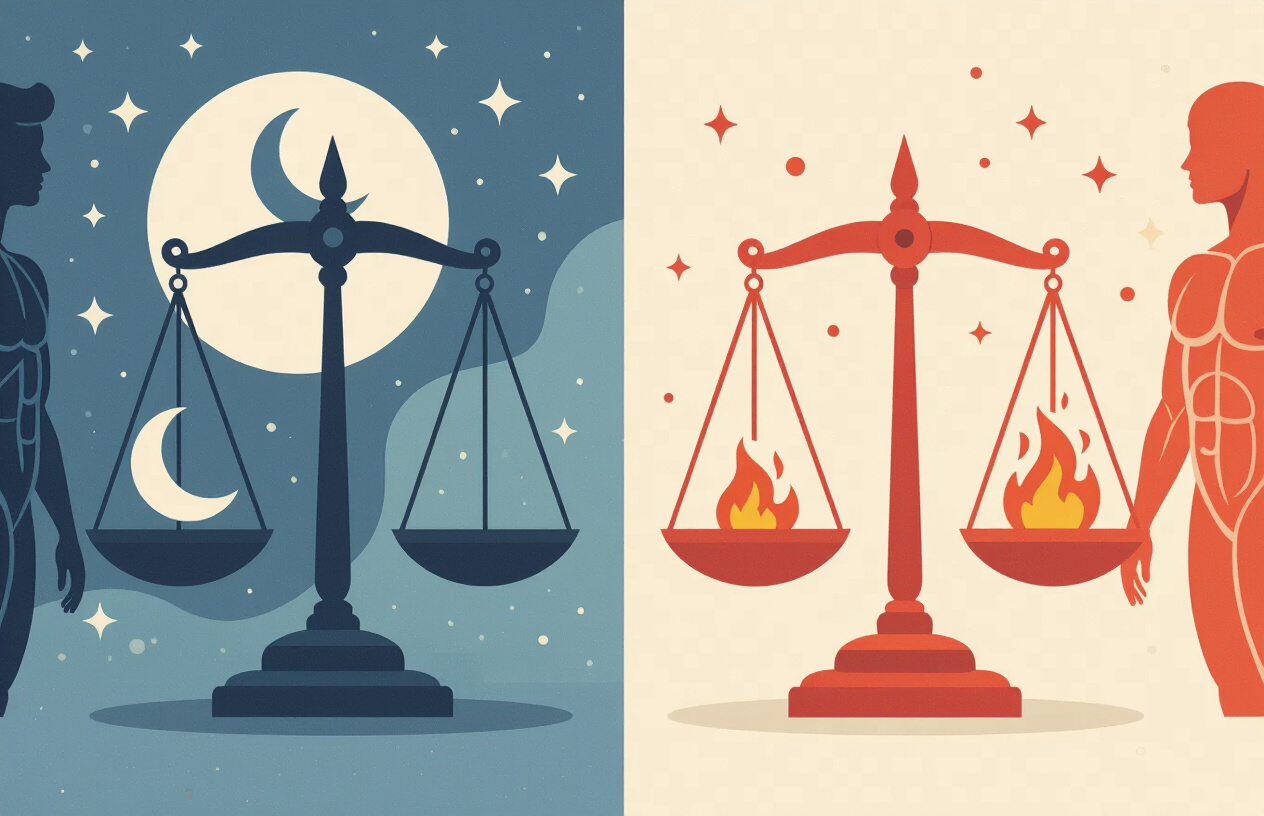
You can have perfect nutrition and training, but poor sleep and high stress will sabotage everything.
Sleep deprivation wrecks your hunger hormones. Getting less than seven hours increases ghrelin by 15% and decreases leptin by 15%. You end up hungrier with less willpower to resist cravings. Even worse, poor sleep quality causes 55% of your weight loss to come from muscle instead of fat. You're literally destroying your metabolism while you sleep poorly.
Make sleep a non-negotiable priority. Aim for 7-9 hours nightly in a cool, dark room. Establish a consistent sleep schedule, even on weekends. Limit screens an hour before bed and avoid caffeine after 2 PM.
Chronic stress keeps cortisol elevated, which actively works against your fat loss goals. High cortisol promotes abdominal fat storage and can cause water retention of 3-5 pounds, making the scale lie to you about your actual progress. Stress also increases cravings for high-calorie comfort foods and reduces your motivation to exercise.
You can't eliminate stress completely, but you can manage it better. Meditation, yoga, deep breathing exercises, or even daily walks in nature can lower cortisol levels by 20-30%. Find what works for you and build it into your routine as seriously as you schedule workouts. Ten minutes of daily stress management beats sporadic hour-long sessions.
Tracking Beyond the Scale
The scale is a liar. Well, not exactly, but it doesn't tell the whole story.
Your body composition can improve dramatically while the scale stays stuck. Losing fat while gaining muscle means better health, better appearance, and better long-term metabolism, even if your weight doesn't change. Take measurements of your waist, hips, chest, arms, and thighs monthly. Take progress photos every two weeks in the same lighting and clothing. These reveal changes the scale completely misses.
Water retention masks real fat loss constantly. New exercise causes inflammation and fluid retention for muscle repair. Higher sodium intake, hormonal fluctuations, and even air travel can add 2-5 pounds of water weight overnight. That number on the scale might not budge for two weeks while you're actually losing fat the whole time.
Track weekly averages instead of daily weights. Weigh yourself every morning after using the bathroom but before eating, then average those seven numbers at the end of each week. Normal fluctuations of 3-7 pounds happen daily based on hydration status, digestive contents, and glycogen storage. Weekly averages smooth out this noise and show real trends.
Pay attention to performance metrics too. Are you lifting heavier weights? Running faster or longer? Recovering better between workouts? Feeling more energetic throughout the day? These improvements indicate positive adaptation even when the scale refuses to move. Your body is getting stronger, healthier, and more capable.