
If your clothes fit differently but your routines haven’t changed much, you’re not imagining it. Changes in body weight can begin during perimenopause, the years before periods stop, and may feel sudden.
This isn’t a personal failure or proof that you’ve lost discipline. Hormonal changes, sleep, stress, reduced movement, muscle loss, and shifts in appetite or blood sugar may all play a role. The good news is that you can work with these changes without punishing yourself.
Key Takeaways
- Perimenopause weight gain can begin before periods stop, and body composition may change even when the scale moves very little.
- Hormonal fluctuations, muscle loss, reduced activity, sleep disruption, stress, appetite changes, and blood sugar shifts can all contribute to changes in belly fat and weight.
- Strength training, regular aerobic activity, protein- and fiber-rich meals, better sleep support, and manageable habits can help protect muscle and support metabolic health.
- Track more than pounds, including waist measurements, clothing fit, strength, energy, and hunger between meals.
- Rapid or unexplained weight gain, severe fatigue, major appetite changes, or other concerning symptoms deserve a medical review.
Body Composition Changes Can Begin Before Menopause
Perimenopause is the menopausal transition that leads to menopause. It can last several years, and hormone levels may rise and fall unevenly during that time. Menopause is diagnosed retrospectively, after 12 consecutive months without a period. A period can still arrive every month while your body is already changing.
Research on the menopausal transition shows population-level patterns during these years. Fat mass tends to rise while muscle mass tends to fall, but this doesn’t prove that estrogen alone causes fat gain. The Study of Women’s Health Across the Nation findings support what many women notice first: the scale may move slowly, but the body can look and feel different.
Estrogen does more than affect periods
Estrogen helps influence where fat is stored, how the body responds to insulin, and how hunger and fullness cues work. Estrogen levels can fluctuate during perimenopause and eventually trend lower. That shift alone doesn’t determine abdominal fat storage.
That doesn’t mean estrogen is the only cause. Metabolic changes can also involve insulin sensitivity, appetite regulation, sleep, stress, aging, and muscle loss. The result is a body that may need a different kind of support.
The scale doesn’t tell the full story
You may gain only a few pounds but notice a larger waistline. You may also weigh the same and still see more softness around your abdomen.
This is why measuring waist circumference, noticing how clothes fit, and tracking strength can be more useful than checking the scale every morning. Scale weight includes water, food, muscle, and fat. It can’t tell you where fat is stored.
A changing waistline can reflect a shift in shape, even when your total weight barely changes.
Why Weight Gain Before Menopause Often Shows Up as Belly Fat
During reproductive years, estrogen tends to encourage more fat storage around the hips and thighs. When estrogen levels decline, fat distribution may shift toward the abdomen for some women. This can make belly fat more noticeable before menopause is official. The term menopause weight gain can describe a pattern that begins during the menopausal transition, not only after menopause.
Abdominal fat includes subcutaneous fat, which sits under the skin, and visceral fat, which surrounds internal organs. Unlike subcutaneous fat, visceral fat is associated with insulin resistance, type 2 diabetes, and cardiovascular disease. These associations indicate increased risk, not guaranteed outcomes.
Waist measurements matter
A waistline is not a judgment of your body, and waist circumference is a screening marker, not a diagnosis. It can show whether central fat accumulation is increasing.
A long-term study of reproductive hormones and obesity found that central body fat increased for many women during the transition from premenopause to postmenopause. This pattern is common, but it isn’t inevitable.
You don’t need to chase a smaller body at any cost. The goal is better metabolic health, strength, energy, and a waistline that is moving in a healthier direction.
Blood sugar can make the shift harder
When meals are mostly refined carbohydrates, sugary snacks, or skipped meals followed by overeating, blood sugar can rise and crash. That can increase hunger, cravings, and the urge to eat quickly when energy drops.
A protein-first meal pattern can be one practical option. Start with protein, add vegetables, beans, whole grains, or fruit for dietary fiber, then include healthy fats. This approach may support steadier energy and fullness, but it isn’t a guaranteed treatment.
Muscle Loss Can Slow Your Daily Calorie Burn
Muscle is active tissue and uses more energy than fat tissue, even at rest. Individual resting metabolic rate varies, so muscle isn’t the only factor.
As we age, reduced activity and changes in muscle tissue can affect strength and function. Preserving muscle mass may become more challenging during the menopausal transition.
This is one reason the old approach of eating less and doing more cardio can stop feeling effective. Severe calorie cutting can leave you tired, hungry, and less likely to build or maintain muscle.
Strength training changes the plan
Strength training is one of the most useful tools for women over 45. It helps preserve muscle and supports bone health, balance, glucose regulation, and daily function. Weight-bearing exercises can provide additional support for bones.
Physical activity works best when it is realistic and repeatable. Start with manageable movements such as squats to a chair, wall push-ups, rows, deadlifts with light dumbbells, and resistance-band work. Aim for two or more manageable resistance sessions each week.
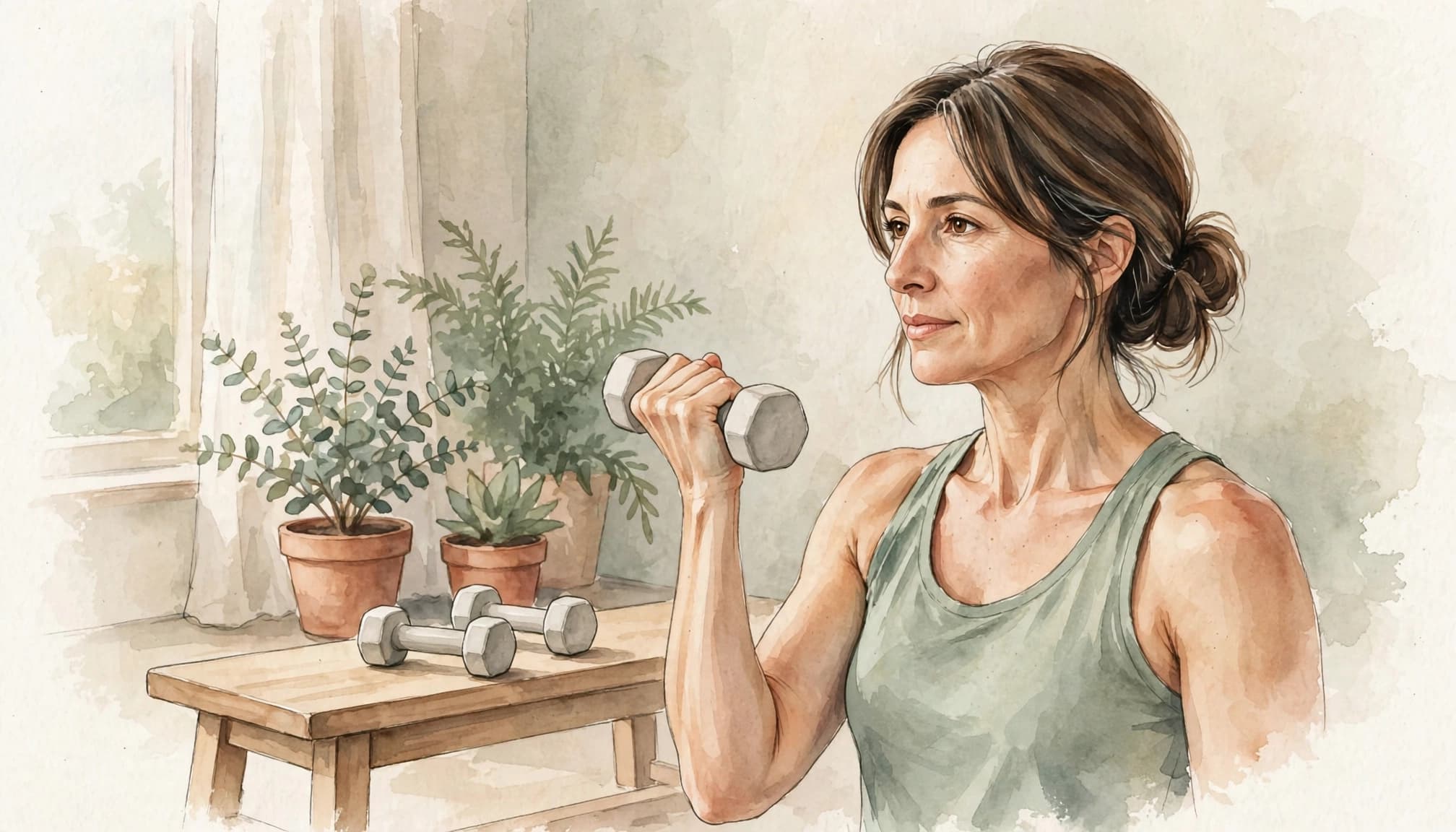
You don’t need exhausting workouts to make progress. Use enough resistance that the final repetitions feel challenging while your form stays controlled. Use progressive overload by gradually adding weight, repetitions, or another set as you become stronger.
If you have pain, osteoporosis, an injury, or another medical limitation, ask a clinician or qualified trainer for suitable modifications.
Cardio still has a place
Walking, cycling, swimming, dancing, and other forms of aerobic exercise support heart and cardiometabolic health. They may also help reduce visceral fat, though changes won’t occur in one targeted area.
Cardio can also help many women manage stress and sleep better. Pairing regular cardio with resistance work is more useful than relying on either one alone.
Think of cardio as support for your heart and mood. Think of resistance work as protection for muscle, strength, and daily function.
Sleep and Stress Can Increase Hunger and Cravings
A night of hot flashes, waking at 3 a.m., and tossing the blankets off can affect more than your mood. During the menopausal transition, this sleep disruption may intensify hunger and leave you reaching for sugar or fast carbohydrates the next day.
Sleep loss can alter appetite regulation, including ghrelin and leptin signals, for some people. When you’re exhausted, a balanced lunch may sound less appealing than crackers, chocolate, or takeout. Emotional eating can also become an understandable response to stress or fatigue.
Treat sleep as part of weight management
Don’t dismiss sleep disruption as something you have to live with. A sustainable lifestyle modification might include a consistent wake time, a cool bedroom, less alcohol in the evening, and a wind-down routine.
Add manageable physical activity when you can, rather than treating sleep support as an all-or-nothing plan.
If insomnia, night sweats, anxiety, loud snoring, or daytime sleepiness are regular problems, bring them to your clinician. Sleep apnea becomes more common in midlife and can leave you tired even after a full night in bed.
Stress isn’t harmless background noise
Cortisol is a normal hormone that helps you respond to daily demands. Short-term stress is adaptive, but ongoing pressure may keep cortisol levels elevated and limit recovery. Chronic stress isn’t a moral failing, yet it can affect sleep, appetite, and motivation.
High stress can increase cravings, reduce sleep, and make movement feel harder. Short walks, strength sessions, breathing exercises, time outside, and regular meals are practical ways to lower the strain on your system.
Eat for Fullness, Steady Energy, and Better Blood Sugar
There is no single menopause diet that works for every woman. The Mediterranean diet is a strong starting point and is associated with cardiometabolic benefits. It includes vegetables, beans, fruit, fish, olive oil, nuts, whole grains, and other minimally processed foods, along with plenty of dietary fiber.
Your needs may differ based on preferences, allergies, culture, medications, or medical conditions. A plant-based diet can also fit, but it requires attention to protein, iron, calcium, vitamin B12, and other nutrients. Plant-based eating isn’t automatically nutritionally complete or lower-calorie.
The focus isn’t on being perfect. It’s on building meals that keep you full long enough to avoid the late-afternoon crash. Meal preparation, regular eating, sleep, and movement can make lifestyle modification more sustainable.
Put protein at the center of meals
Protein supports muscle repair and helps meals feel more satisfying. Eggs, Greek yogurt, cottage cheese, chicken, fish, tofu, lentils, beans, and lean meat can all fit.
Aim to include a clear protein source at breakfast, lunch, and dinner. Many women start the day with toast or cereal, then struggle with hunger by midmorning. Adding eggs, yogurt, or a protein-rich smoothie can change that pattern.

Build meals before cutting calories
Rather than counting every calorie, build a balanced plate:
- Include protein first, then add vegetables, whole grains or potatoes, and satisfying fats.
- Choose foods you can recognize, such as salmon, beans, berries, potatoes, oats, and olive oil.
- Keep easy options available for busy days, including pre-cooked chicken, frozen vegetables, plain yogurt, canned beans, and bagged salad.
- Reduce liquid sugar and frequent alcohol, which can worsen sleep and add calories without much fullness.
Meals that combine protein, dietary fiber, and minimally processed carbohydrates may support steadier glucose responses. They don’t treat insulin resistance by themselves. These choices can support fullness and overall health, but no food pattern guarantees weight loss.
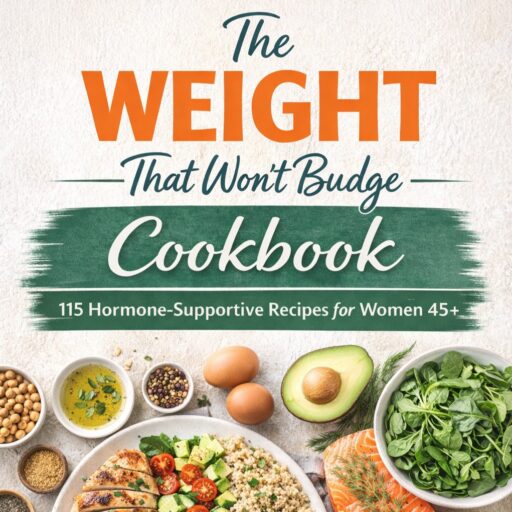
For more practical meal ideas, The Weight That Won’t Budge cookbook includes recipes that support protein intake, steadier blood sugar, and simple weeknight eating. The goal isn’t restrictive food rules or guaranteed results. It’s food that helps you feel satisfied and supported.
When Weight Loss Stalls, Track More Than Pounds
A plateau doesn’t always mean your plan has failed. Water retention, bowel changes, stored glycogen, resistance exercise, sleep changes, stress, and hormone fluctuations can all affect weekly weight.
Before cutting food further, look for useful signs of progress. Are you lifting more weight? Is your waist measurement stable or decreasing? Do your clothes fit differently? These changes can reflect improvements in body composition. Are you less hungry between meals? Do you have better energy in the afternoon?
Adjust one habit at a time
People in larger bodies are often told to make ten changes at once. That usually creates burnout. A better approach to lifestyle modification is choosing the habit most likely to help right now.
If breakfast leaves you hungry, add protein. If you sit for long workdays, take a 10-minute walk after lunch to add physical activity. If workouts feel impossible, begin with two short resistance exercise sessions each week.
Give one change time to work before adding another. Slow, repeatable habits are more likely to lead to lasting weight loss than a strict plan you can’t maintain.
Be careful with extreme plans
Long fasting windows, very low-calorie diets, and excessive daily exercise may work briefly for some people. A modest caloric deficit may be appropriate for some people seeking weight loss, but it shouldn’t involve severe restriction and may require individualized guidance.
For others, these approaches can increase fatigue, cravings, poor sleep, and muscle loss. Stress can also blur hunger cues, and emotional eating isn’t a failure of willpower.
Your approach should support your energy and your life. Food shouldn’t become another source of stress. If eating concerns or distress become significant, seek support from a qualified health professional.
Medical Support During Perimenopause
Hormone therapy may help some women with troublesome hot flashes, night sweats, vaginal symptoms, or sleep disruption. It can be considered during the menopausal transition, including before periods stop, after reviewing benefits, risks, timing, and personal health history.
It may improve sleep and reduce symptom burden, but results vary. The route, dose, and timing matter, and some conditions may make treatment unsafe. The American College of Obstetricians and Gynecologists guidance on hormone therapy explains the benefits, risks, and reasons a personalized discussion matters.
Ask for a full health review
Talk with a clinician if weight gain is rapid, unexplained, or paired with severe fatigue, hair loss, constipation, depression, irregular bleeding, or major appetite changes. Thyroid disease, medication effects, fluid retention, sleep apnea, depression, endocrine disorders, and other causes may be unrelated to perimenopause.
Seek urgent care for severe shortness of breath, chest pain, or marked swelling. These symptoms may signal a problem needing prompt evaluation.
For some people, a clinician may discuss prescription weight-management medication as part of a broader plan. Medical treatment should complement, not replace, lifestyle modification, including nutrition, movement, sleep care, and strength preservation.
Hormone therapy is a symptom treatment, not a shortcut for weight loss. The NIH overview of hormone replacement therapy can help you prepare informed questions for your appointment.
Frequently Asked Questions
Can perimenopause cause weight gain before menopause?
Yes. Changes in body composition and fat distribution can begin during the menopausal transition, even while periods are still occurring. Hormones, sleep, stress, muscle loss, activity, and appetite may all play a role.
Why does perimenopause weight gain often appear around the belly?
As estrogen levels fluctuate and eventually decline, fat distribution may shift toward the abdomen for some women. Abdominal fat includes subcutaneous fat and visceral fat, so a changing waistline is worth monitoring but is not a diagnosis by itself.
What is the best exercise for perimenopause weight gain?
A combination of resistance training and aerobic activity is a useful approach. Strength training supports muscle, bone health, balance, and daily function, while walking, cycling, swimming, or other cardio supports heart and cardiometabolic health.
What should I eat during perimenopause?
There is no single menopause diet that works for everyone, but meals built around protein, vegetables, dietary fiber, minimally processed carbohydrates, and satisfying fats can support fullness and steadier energy. A Mediterranean-style pattern is one practical starting point, with adjustments for your preferences and health needs.
When should I talk with a clinician about weight gain?
Seek medical advice if weight gain is rapid, unexplained, or accompanied by severe fatigue, hair loss, constipation, depression, irregular bleeding, or major appetite changes. A clinician can check for thyroid disease, medication effects, sleep apnea, fluid retention, and other causes unrelated to perimenopause.
A More Supportive Way Forward
Perimenopause weight gain can begin before menopause, as metabolic changes affect fat distribution, including belly fat. The term menopause weight gain can describe changes that begin during the menopausal transition, before menopause is confirmed.
Choose protein and fiber-rich meals, make regular physical activity part of your routine, and use strength training to support your health. These habits may support gradual weight loss for some people, but they don’t guarantee it.
Your body isn’t broken. A healthy lifestyle offers steady, practical support, and sudden or unexplained changes deserve medical review.