

The scale is not the only thing that changes in midlife. Your waistline may grow even when you’re eating much like you did at 35.
For women in perimenopause and for postmenopausal women, GLP-1 menopause weight loss is a practical question, not a passing trend. These weight loss medications may reduce hunger, but they aren’t right for everyone. They work best with an individualized plan that protects muscle, bone health, energy, and everyday eating habits.
Menopause-related weight gain is common, manageable, and not a personal failure. The goal is sustainable weight management and better metabolic health, not eating as little as possible.
Key Takeaways
- Menopause-related weight gain often reflects changes in estrogen, fat distribution, sleep, appetite, activity, and insulin resistance—not personal failure.
- GLP-1 medications such as semaglutide and tirzepatide may reduce appetite and support meaningful weight loss after 45, but results vary and research specific to menopause is still developing.
- Hormone therapy and GLP-1 medications serve different purposes. Early research suggests hormone therapy may be associated with greater weight loss for some women using tirzepatide, but it should not be started or changed solely for weight loss.
- Protecting muscle and bone health requires enough protein, fluids, calcium, vitamin D, and regular resistance training while losing weight.
- GLP-1 treatment works best as part of a long-term plan that includes manageable eating habits, follow-up care, side-effect monitoring, and realistic expectations about insurance and possible weight regain after stopping.
Why menopause weight gain often lands around the middle
Weight gain during menopause is not caused by one thing. During perimenopause, declining estrogen levels, aging, lower physical activity, sleep changes, and stress can interact. These factors may also contribute to insulin resistance, making it harder for the body to handle glucose.
Calories still matter, but calories alone don’t explain why the same routine suddenly stops working. A routine that once worked may no longer match changes in appetite or activity. A midlife body isn’t broken. It may need a different plan.
Estrogen changes where body fat is stored
As estrogen levels decline, fat often shifts away from the hips and thighs toward the abdomen. This is why many women notice menopause belly even when their total weight hasn’t changed much.
Abdominal fat includes subcutaneous fat under the skin and visceral fat around internal organs. It is linked with higher risk for type 2 diabetes, high blood pressure, fatty liver disease, and cardiovascular disease.
A tape measure can be useful here. Your waist circumference may reveal changes in body composition that total weight doesn’t show.
Sleep, cravings, and blood sugar matter too
Hot flashes, night sweats, stress, and poor sleep can leave you tired and hungrier the next day. Fast sugar and snack foods can feel harder to resist when you’re exhausted.
Changes in blood sugar levels can increase cravings and make it harder to stop eating once you start. This is why a steady meal routine often works better than skipping meals all day and eating most of your food at night.
How GLP-1 medications support weight loss
GLP-1 medications mimic or enhance hormones involved in appetite and glucose control. Their appetite suppression can help people feel full sooner, stay full longer, and think less about food. They also influence blood sugar levels, which may matter when insulin resistance is part of a person’s clinical picture.
Semaglutide is a GLP-1 receptor agonist. Tirzepatide acts on both GLP-1 and GIP receptors. Both are prescription weight loss medications used for weight management when prescribed appropriately.
Know the difference between the brand names
Wegovy contains semaglutide and is approved for long-term weight control. Zepbound contains tirzepatide and is also approved for long-term weight control in adults with obesity, or adults with overweight plus at least one weight-related health condition. The FDA’s Zepbound approval announcement explains these eligibility standards.
Ozempic and Mounjaro contain the same active ingredients as Wegovy and Zepbound, but they’re marketed for type 2 diabetes. Coverage rules can differ by brand, diagnosis, dose, and insurance plan.
Your healthcare provider should choose a prescription based on your medical history, not what a friend is taking.
Reduced appetite is helpful, but it has limits
These medications can slow stomach emptying and reduce appetite, making a calorie deficit easier without constant hunger. During dose escalation, side effects can make it harder to eat enough.
They don’t build muscle, fix poor sleep, replace protein, or remove the need for movement. If food intake gets too low, you can lose muscle mass along with body fat.
Does GLP-1 menopause weight loss work after 45?
The evidence is encouraging, but it remains limited. Research on semaglutide and menopause is encouraging but still developing.
Menopause does not appear to stop semaglutide or tirzepatide from helping women lose weight. Results vary with starting weight, dose, sleep, insulin resistance, food intake, activity level, and medication tolerance. These factors also influence weight management.
Studies show meaningful results after menopause
A small study of low-dose semaglutide found that postmenopausal women lost an average of 5.9 kilograms after four months. Premenopausal women lost an average of 4.5 kilograms. Both groups lost fat mass and some lean mass, showing changes in body composition. You can read the semaglutide body-composition study for the full details.
This small study can’t predict individual results or replace larger clinical trials. Still, postmenopausal women lost weight, so menopause does not automatically make treatment ineffective.
For overweight women with a growing waistline, even moderate weight loss may improve blood sugar levels and triglycerides. It may also support mobility and daily energy. A smaller waist circumference may suggest less central fat, but it doesn’t directly measure visceral fat.
Hormone therapy and GLP-1 medications may work well together
Menopause hormone therapy and GLP-1 medications serve different purposes. Hormone therapy may help manage symptoms such as hot flashes for women who are appropriate candidates. It isn’t prescribed for weight management.
Research on semaglutide and menopause is also emerging, but findings aren’t interchangeable across medications. Early research suggests hormone therapy may be linked with better results for some postmenopausal women using GLP-1 medications.
The current results are promising, not a guarantee
A Mayo Clinic observational study found that postmenopausal women using tirzepatide lost 19.2% of body weight on average. Women taking tirzepatide without hormone therapy lost 14.0% on average. That was about 35% more weight loss in the hormone therapy group, according to the Mayo Clinic study report.
The numbers are meaningful, but the study does not prove that hormone therapy caused the added weight loss.
The published Lancet study found an association between hormone therapy use and greater weight loss during tirzepatide treatment. It wasn’t randomized, so it can’t establish cause and effect like controlled clinical trials can.
Hormone therapy decisions depend on your symptoms, estrogen levels, age, and time since menopause. Your personal history and risks, including cardiovascular disease, also matter. Do not start, stop, or change estrogen treatment to make a GLP-1 medication work better.
Hormone therapy can be appropriate for menopause symptoms. A GLP-1 medication can be appropriate for chronic weight management. The right combination depends on the person, not the scale.
Protect muscle mass and bone health while losing weight
During menopause, the scale is only one measure. You also want to keep as much muscle as possible while body fat comes down and body composition improves.
Lean mass loss happens with most forms of weight loss. Menopause raises the stakes. Muscle and bone density can decline with age, while changing estrogen levels may add to these shifts.
Muscle needs food and resistance training
A lower body weight does not always mean better body composition. If appetite is low and protein is lacking, the body may lose more muscle mass and other lean tissue than you want.
Resistance training gives your muscles a reason to stay. Two or three sessions each week can be enough to begin, alongside comfortable daily physical activity. Exercises such as squats to a chair, rows, chest presses, leg presses, loaded carries, and resistance-band work are practical choices.
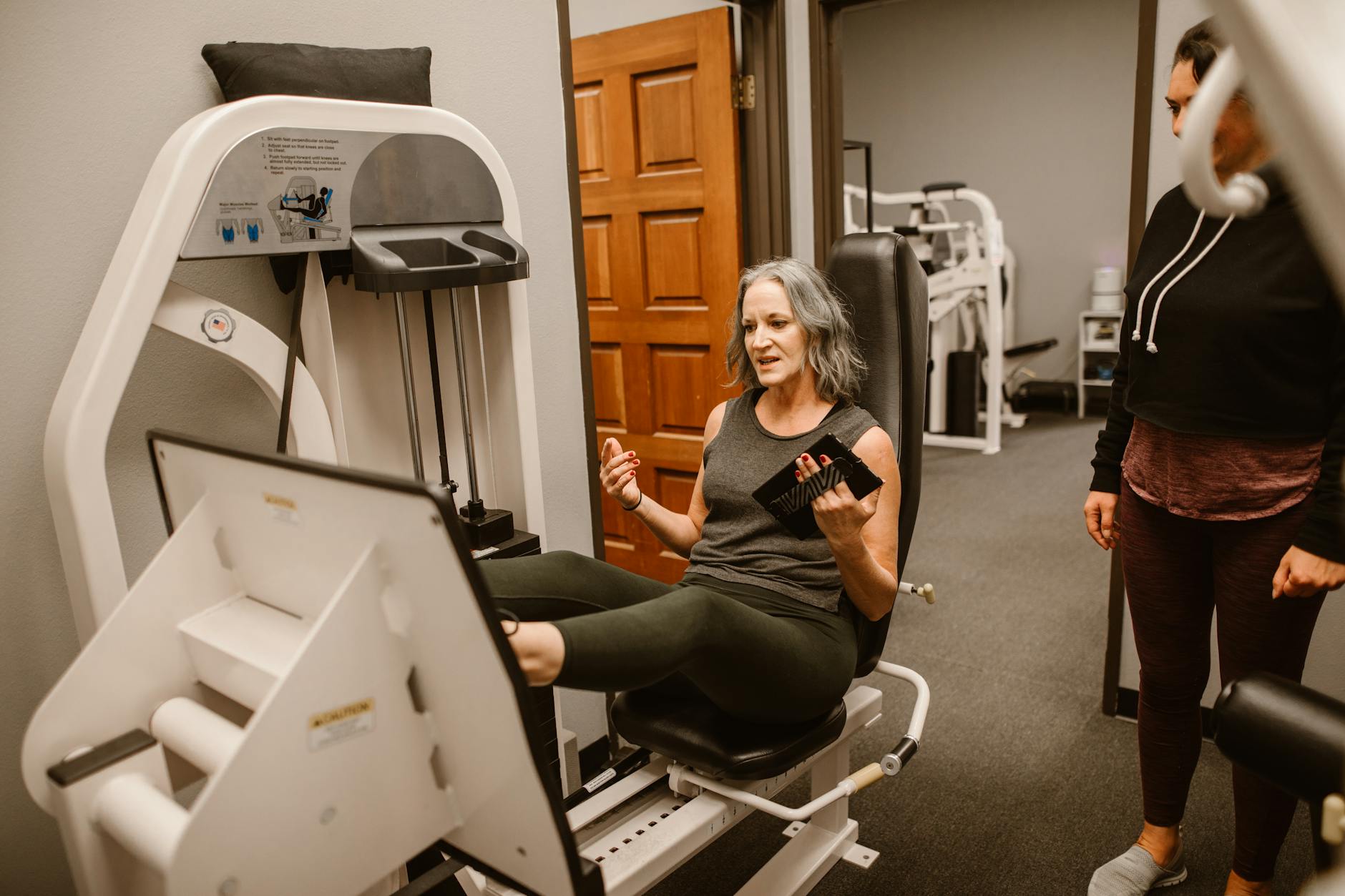
Photo by RDNE Stock project
Start at a level that feels safe. A physical therapist, qualified trainer, or clinician can help if you have joint pain, osteoporosis, or an old injury.
Bone loss needs its own attention
There is not enough direct research to say GLP-1 medications cause osteoporosis in menopausal women. Still, rapid weight loss, low food intake, and menopause can create a poor setup for bone loss.
Postmenopausal women at risk for low bone density or fractures should ask their clinician whether a DXA scan is appropriate. Guidance on osteoporosis care after menopause supports adequate protein, calcium, vitamin D, exercise, and bone-density assessment when risk is present.
Side effects to expect and symptoms not to ignore
Nausea, constipation, diarrhea, vomiting, bloating, reflux, and stomach discomfort are common side effects of semaglutide and tirzepatide. Symptoms often show up when treatment starts or when the dose increases.
The goal is not to push through severe symptoms. Work with your prescriber on a dose and routine you can tolerate.
Small food changes can make a big difference
Eat slowly and stop when you feel satisfied. Large, greasy meals and alcohol can make nausea worse for some people.
Smaller meals may make side effects easier to tolerate during the first weeks. Fluids matter, especially if constipation, vomiting, or diarrhea occurs. A gradual increase in fiber can help, but adding too much fiber too quickly can worsen bloating.
The official prescribing information includes the full list of warnings, side effects, and medication precautions.
Call your clinician for severe symptoms
Severe or persistent abdominal pain, repeated vomiting, signs of dehydration, or yellowing skin need prompt medical attention. GLP-1 medications also carry warnings related to pancreatitis and gallbladder problems.
The Wegovy label contraindicates its use in people with a personal or family history of medullary thyroid carcinoma or Multiple Endocrine Neoplasia syndrome type 2. The official Wegovy drug label covers those warnings in detail.
Eat enough protein, fiber, and real food
A GLP-1 medication can create space between hunger and eating. What you do with that space matters, especially for postmenopausal women.
Protein-first eating does not mean living on shakes or cutting out every carbohydrate. It means prioritizing protein intake and adding fiber-rich, minimally processed carbohydrates to meals. This combination may support steadier blood sugar levels.
Build meals around protein first
Eggs, Greek yogurt, cottage cheese, chicken, fish, tofu, beans, lentils, and lean meat are simple protein choices. Add vegetables, fruit, beans, whole grains, or potatoes based on what works for your appetite and digestion.
My cookbook, The Weight That Won’t Budge, includes simple hormone-smart recipes for women over 45 who want steady meals without strict dieting. The recipes focus on protein, fiber, practical ingredients, and meals that support stable energy.

Photo by Gustavo Fring
Do not let low appetite become under-eating
Some women experience strong appetite suppression on these medications. That may sound helpful, but consistently low protein intake, fluids, and nutrients can lead to fatigue, constipation, and reduced muscle mass. Eating enough also supports healthier body composition by helping preserve lean tissue.
A balanced breakfast or lunch can also reduce late-day sugar cravings. Calorie counting can help some people, but it is not the only way to lose weight. A regular pattern of protein, plants, water, and satisfying meals is often easier to maintain.
Dosing, insurance, and what happens if you stop
GLP-1 medications can be part of long-term weight management for many people. They aren’t a short reset followed by a return to old habits.
Before starting, discuss the commitment, budget, follow-up plan, and what treatment will look like if side effects become difficult.
Social-media microdosing is not a treatment plan
There is no standard, approved “microdosing” plan. Labeled medications use gradual dose increases to improve tolerability.
Don’t copy a dose schedule from social media. Some people need more time at a lower dose. Others may need to stop. Your prescriber should guide that decision.
Coverage can change without warning
Insurance coverage varies widely for weight loss medications, including Wegovy, Zepbound, semaglutide, and tirzepatide. Many plans require prior authorization, proof of body mass index, a weight-related health condition, or documented attempts at lifestyle changes.
Coverage may differ between obesity treatment and care for type 2 diabetes, and some plans exclude it entirely.
Before filling a prescription, call your insurer and ask about the exact brand, dose, prior authorization rules, deductible, copay, and renewal requirements. Manufacturer savings programs may have limits and often don’t apply to government insurance plans.
Weight regain after stopping is common
Stopping medication can bring hunger back. In the STEP 1 extension trial, participants regained about two-thirds of the weight they had lost during the year after stopping semaglutide. The semaglutide withdrawal study was not limited to menopausal women, but the lesson still applies.
A long-term plan may include ongoing medication, a lower maintenance dose when appropriate, continued food structure, strength training, and regular follow-up with a healthcare provider.
A practical first month on a GLP-1 medication
The first month is for learning how your body responds and starting a steady weight management routine. It is not the time for a crash diet or intense exercise plan.
- Track your starting weight, waist circumference, blood pressure, sleep, energy, digestion, and strength. Add blood sugar levels only if your clinician recommends tracking them. Together, these measures give a fuller picture than the scale alone.
- Choose two or three easy protein-rich meals you can eat even when your appetite is low. Keep simple foods in the house before nausea or fatigue makes planning harder.
- Add regular walking and daily physical activity, with two weekly sessions of resistance training. Consistency matters more than punishing workouts.
- Keep follow-up appointments and report side effects early. Dose changes are easier when your clinician knows what is happening.
Frequently Asked Questions
Can GLP-1 medications help with menopause weight loss after 45?
Yes, semaglutide and tirzepatide may help women in perimenopause or after menopause reduce appetite and lose weight. Menopause does not appear to prevent these medications from working, but individual results depend on factors such as dose, sleep, activity, insulin resistance, and medication tolerance.
Can I take hormone therapy with a GLP-1 medication?
Some women may be appropriate candidates for both, because the treatments have different purposes. Early observational research suggests hormone therapy may be associated with greater weight loss during tirzepatide treatment, but this does not prove that hormone therapy causes the difference.
How can I protect muscle and bone while taking a GLP-1 medication?
Prioritize protein-rich meals, adequate fluids, and regular resistance training two or three times each week. If you have risk factors for osteoporosis or fractures, ask your clinician whether a DXA scan or additional bone-health support is appropriate.
What side effects should I watch for?
Nausea, constipation, diarrhea, vomiting, bloating, reflux, and stomach discomfort are common, especially when treatment begins or the dose increases. Severe or persistent abdominal pain, repeated vomiting, dehydration, or yellowing skin requires prompt medical attention.
Will I regain weight if I stop taking a GLP-1 medication?
Weight regain is common because hunger may return after treatment stops. Discuss a long-term plan with your healthcare provider, which may include ongoing medication, a maintenance dose when appropriate, structured meals, strength training, and regular follow-up.
A steadier way to approach midlife weight loss
GLP-1 medications can help postmenopausal women reduce appetite and achieve meaningful weight loss. They are most useful within a sustainable weight management plan that includes enough protein, strength training, bone-health support, and realistic long-term goals.
The strongest result is not only a lower number on the scale. It is a body that feels stronger, better fed, and more supported through midlife, with a focus on lasting metabolic health.