If your usual healthy habits suddenly stopped working, that is not your imagination. The best foods for menopause weight loss are often different from the foods that worked in your 30s because your body is now responding to stress, carbs, hunger, and blood sugar in a new way. This is exactly why eating less and trying harder can leave you exhausted, hungry, and still stuck.
Midlife weight loss is less about eating perfectly and more about choosing foods that help stabilize insulin, preserve muscle, and keep you full long enough to reduce the constant mental tug-of-war around food. That means your plate needs more strategy than restriction. When your meals support hormones and blood sugar, fat loss tends to feel less punishing and more possible.
What makes a food menopause-friendly?
The best foods for menopause weight loss do not all have to be low-calorie, low-carb, or trendy. What matters most is how a food affects fullness, blood sugar, inflammation, and muscle maintenance.
In menopause and perimenopause, estrogen changes can influence where weight is stored, often increasing belly fat. At the same time, many women become more sensitive to blood sugar swings and insulin spikes. Add in poor sleep, stress, and age-related muscle loss, and it becomes much easier to gain weight while doing the same things you have always done.
That is why hormone-smart eating usually works better than old-school dieting. You want foods that give you protein, fiber, healthy fats, and slower-digesting carbs so your body is not constantly chasing energy.
12 best foods for menopause weight loss
1. Eggs
Eggs are one of the simplest high-protein foods you can build a meal around. They help with fullness, support muscle, and work at breakfast, lunch, or dinner. For many women, starting the day with toast or cereal leads to a midmorning crash. Starting with eggs often creates a very different day.
Pair them with vegetables and a little fruit or roasted potatoes if you want a balanced breakfast that feels steady instead of spiky.
2. Greek yogurt
Plain Greek yogurt gives you protein with very little prep, which matters when life is busy. It can also help reduce the urge to snack on convenience carbs later in the day. If you tolerate dairy well, it is an easy staple.
The trade-off is that flavored versions can be loaded with sugar. Plain Greek yogurt with berries, chia seeds, and cinnamon is usually a better option for blood sugar balance.
3. Salmon
Salmon checks several important boxes at once. It provides protein, supports fullness, and contains omega-3 fats that may help with inflammation and overall metabolic health. It is especially helpful for women who are trying to lose fat without losing muscle.
If salmon is not realistic every week, other fatty fish like sardines or trout can do similar work. Canned options count too.
4. Chicken breast or chicken thighs
You do not need exotic superfoods to lose weight in menopause. Consistent protein matters more. Chicken is practical, flexible, and easy to batch cook for salads, bowls, soups, or wraps.
Chicken breast is leaner, while thighs are richer and often more satisfying. It depends on your appetite and what helps you stay consistent. A meal that keeps you full is often more useful than one that just looks healthy.
5. Lentils
Lentils are one of the most underrated foods for midlife fat loss. They offer fiber and plant protein together, which makes them more satisfying than many other carb-based foods. They can help slow digestion and support steadier energy.
If bread or pasta tends to leave you hungry again quickly, lentils are worth using more often in soups, salads, and grain-free bowls.
6. Cottage cheese
Cottage cheese has made a comeback for a reason. It is high in protein, easy to portion, and can work in both sweet and savory meals. For women who struggle to hit enough protein during the day, this is a useful shortcut.
It is not glamorous, but it is effective. Sometimes the foods that help most are simply the ones you will actually keep in your fridge.
7. Berries
Berries are one of the best fruits for menopause weight loss because they offer fiber and antioxidants without the blood sugar hit that comes with juice, dried fruit, or oversized smoothies. They can satisfy a sweet craving while fitting into a more balanced meal plan.
That does not mean other fruits are bad. It just means berries tend to be especially helpful when you are trying to calm cravings and keep blood sugar steadier.
8. Leafy greens
Spinach, arugula, kale, romaine, and mixed greens add volume, fiber, and nutrients without making meals heavy. They are not magic on their own, and a plain salad is rarely enough to keep you full. But as a base for protein, healthy fat, and fiber, they are incredibly useful.
If you have been eating salads and still not losing weight, the problem may not be the greens. It may be that your salad is missing enough protein and substance.
9. Chia seeds
Chia seeds can help with fullness because they provide fiber and healthy fat in a very small serving. They are easy to add to yogurt, oatmeal, smoothies, or chia pudding. For women dealing with constipation, which can become more common in midlife, the extra fiber can also help.
Just be realistic. Chia seeds are a support food, not a fix-all. They work best as part of a meal pattern that is already balanced.
10. Avocados
Avocados are satisfying and rich in healthy fats and fiber, which can help reduce the constant search for snacks after meals. Fat is not the enemy in menopause. In fact, meals that are too low in fat often leave women feeling deprived and hunting for something sweet later.
Portion still matters, but fear is not helpful here. A few slices on eggs, a salad, or a protein bowl can make a meal much more satisfying.
11. Beans
Beans are affordable, filling, and better for blood sugar than many processed side dishes. Black beans, chickpeas, and white beans can help stretch meals while adding fiber and plant protein. They are especially useful if you are trying to build more balanced meals without spending a fortune.
If beans bloat you, start small and prepare them well. Some women do better with lentils than larger beans. This is one of those it depends areas, and your body gets a vote.
12. Oats
Oats can be a smart carb for menopause weight loss when they are paired correctly. On their own, a bowl of oatmeal may leave some women hungry quickly. But oats with protein and fat, such as Greek yogurt, chia seeds, or a side of eggs, can feel much more balanced.
This is a good example of why carbs are not the whole problem. The better question is what you eat them with.
How to build meals with the best foods for menopause weight loss
You do not need to memorize a perfect food list. What helps most is learning how to put meals together in a way that keeps your body out of the blood sugar roller coaster.
A practical formula is this: start with protein, add fiber, include healthy fat, and then choose a carb portion that works for your energy and hunger. That might look like eggs with sautéed spinach and berries, salmon with roasted vegetables and lentils, or Greek yogurt with chia seeds and berries.
This matters because many women overeat at night not from lack of discipline, but because breakfast and lunch were too light, too carb-heavy, or not satisfying enough. When your meals are built for stability, cravings often quiet down.
Foods that sound healthy but can stall progress
Some foods are healthy in a general sense but not especially helpful for menopause fat loss if they dominate your meals. Smoothies made mostly of fruit, low-fat granola, crackers, rice cakes, and giant salads with barely any protein can all leave you hungry fast.
That does not mean you can never eat them. It means they may not support your current goals unless they are balanced with enough protein and fat. Menopause changes the context. Foods that once felt light and virtuous may now be setting you up for rebound hunger.
The real goal is fewer crashes, fewer cravings, more consistency
If you take one thing from this, let it be this: your body is not asking for less food. It is asking for better signals. The best foods for menopause weight loss help send those signals by improving fullness, supporting muscle, and reducing the blood sugar chaos that keeps fat loss stuck.
You do not have to eat perfectly, and you do not need a punishing plan. Start with one or two swaps that make your meals more satisfying and more stable. Small changes, repeated often, are usually what finally gets the weight to move.
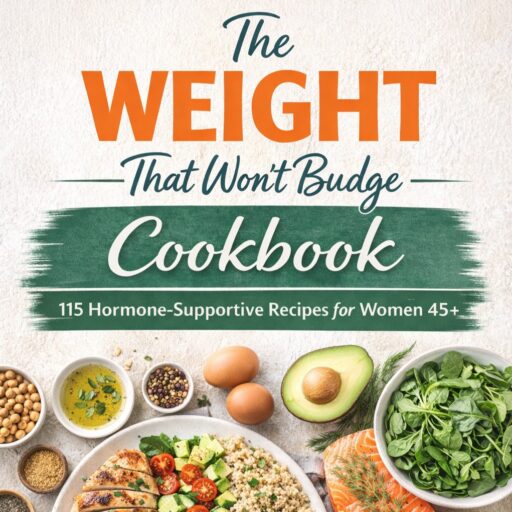
The Weight That Won’t Budge Cookbook
This content is for informational purposes only and is not intended as medical advice.