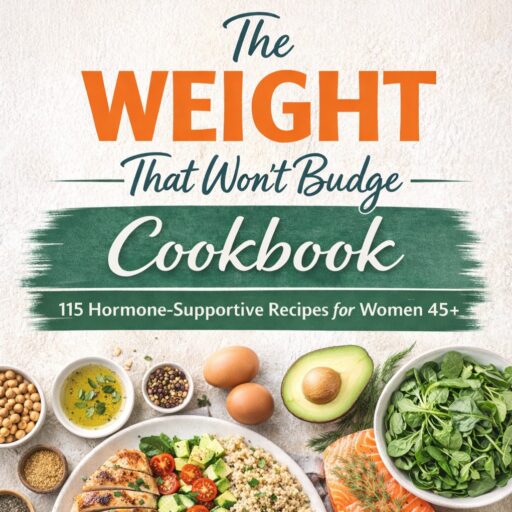
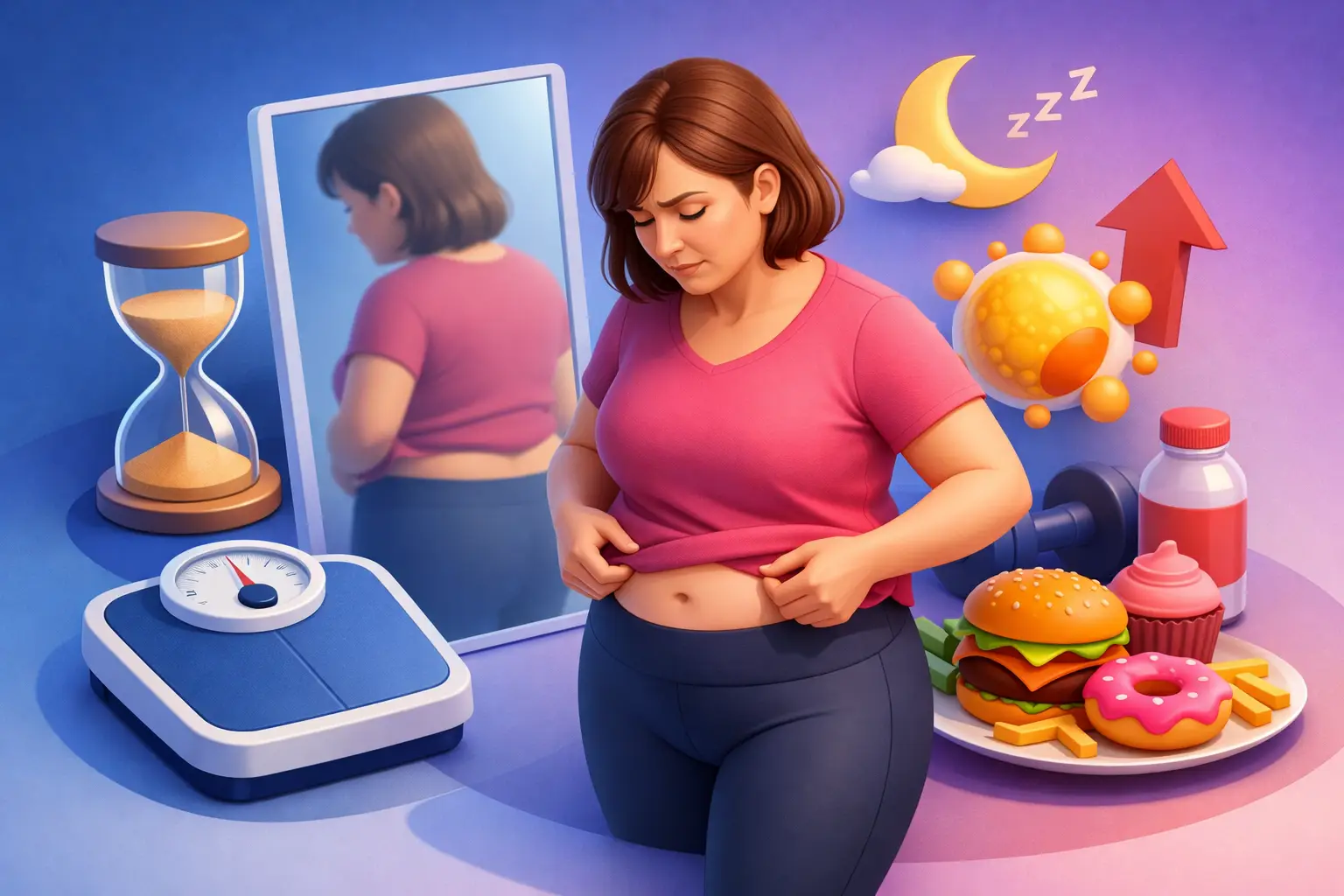
If you’re asking, why am I gaining weight after 45, even though you’re eating pretty much the same and trying to be careful, you’re not imagining it. This is one of the most common and most frustrating shifts women face in midlife. The rules that used to work can suddenly stop working, and that does not mean you are lazy, doing it wrong, or losing control. It means your body is changing, and it needs a different kind of support now.
For many women, weight gain after 45 feels like it came out of nowhere. Clothes fit differently. Belly fat shows up even if your habits have not changed much. Energy drops, sleep gets worse, cravings get louder, and the old calorie-cutting approach starts to backfire. That pattern is real, and it has more to do with hormones, blood sugar, stress, and muscle loss than with a lack of discipline.
Why am I gaining weight after 45 if I haven’t changed anything?
The short answer is that your internal chemistry may have changed even if your routine has not. Around perimenopause and menopause, estrogen and progesterone begin to shift. Those changes can affect where you store fat, how sensitive you are to insulin, how hungry you feel, how well you sleep, and how much energy you have to move through the day.
This is why so many women say, “I eat less than I used to, but I keep gaining.” Midlife weight gain is rarely about one single cause. It is usually a pileup of several smaller changes that start working against you at the same time.
The biggest reasons weight gain happens after 45
Hormone changes can change fat storage
As estrogen declines, the body often becomes more likely to store fat around the midsection instead of the hips and thighs. That can feel especially upsetting because even a small gain looks different on your body.
Estrogen also influences insulin sensitivity. When estrogen becomes more erratic or lower overall, blood sugar can become harder to manage. That means your body may be more likely to store energy instead of using it efficiently.
Progesterone shifts matter too. Lower progesterone can affect sleep, mood, and fluid balance. Some women notice more bloating, while others feel wired, tired, and more likely to reach for quick carbs just to get through the day.
Insulin resistance gets more common in midlife
This is one of the most overlooked reasons women gain weight after 45. If your meals are built around toast, cereal, crackers, smoothies, low-fat snacks, or “healthy” carbs without enough protein and fiber, your blood sugar may be spiking and crashing all day.
Those swings can leave you tired, hungry, and craving sugar. Over time, they can also push insulin higher. When insulin stays elevated too often, fat loss becomes harder. This is one reason traditional dieting fails so many women in midlife. Eating less food does not automatically fix unstable blood sugar.
You may be losing muscle without realizing it
After 40, women naturally begin to lose muscle mass if they are not actively working to maintain it. Muscle is metabolically active tissue. It helps your body use glucose well, supports strength, and makes it easier to maintain a healthy weight.
If you are doing lots of cardio, eating too little protein, or not doing any resistance training, muscle loss can quietly speed up. Then your body burns fewer calories at rest, feels softer, and becomes less resilient. You may weigh the same for a while and still feel like your body composition has changed.
Stress and poor sleep are not side issues
They are central. Midlife often comes with career pressure, caregiving, aging parents, financial stress, and the mental load of holding everything together. Add night sweats, 3 a.m. wakeups, or lighter sleep from hormone shifts, and you have a body under constant strain.
When sleep is poor and stress is high, cortisol can stay elevated. That can increase hunger, worsen blood sugar control, and make belly fat more stubborn. It can also drain the motivation needed to cook, exercise, or plan balanced meals. This is not about being dramatic. It is physiology.
The “healthy” foods you rely on may not be working for you anymore
Many women over 45 are trying very hard to eat well, but their version of healthy may still be too low in protein and too high in blood-sugar-triggering foods. A breakfast of oatmeal and fruit, a lunch salad with very little protein, and a dinner with pasta or rice can look balanced on paper while still leaving you hungry and metabolically unsupported.
This is where a hormone-smart approach matters. Your body may respond better to meals built around protein, fiber, healthy fats, and steady energy than to low-fat, low-calorie eating.
What actually helps when your body changes after 45
The goal is not to punish your body into losing weight. The goal is to make your body feel safe enough to respond again.
Start with protein. Most midlife women are not eating enough of it, especially earlier in the day. A protein-poor breakfast often leads to cravings, energy crashes, and overeating later. Eggs, Greek yogurt, cottage cheese, chicken, turkey, salmon, tofu, or a quality protein smoothie can all help create a steadier start.
Then look at meal balance. Instead of eating naked carbs and wondering why you are hungry an hour later, build meals with a clear protein source, non-starchy vegetables, healthy fat, and a smart portion of carbohydrate if it works for you. That could look like scrambled eggs with sautéed vegetables and avocado, or grilled chicken over a big salad with olive oil and berries on the side.
Strength training matters more than many women realize. You do not need to become a bodybuilder, but you do need to give your muscles a reason to stay. A few sessions a week using dumbbells, resistance bands, machines, or body weight can support muscle, insulin sensitivity, and metabolism. Walking is still excellent for stress, blood sugar, and consistency, but on its own it may not be enough to change body composition in midlife.
Sleep deserves real attention too. If your sleep is broken, your body will often fight fat loss no matter how “good” you are during the day. That does not mean sleep has to be perfect before anything else can improve, but it does mean it should be part of the plan. Reducing late-night snacking, limiting alcohol, eating balanced dinners, and creating a calmer evening routine can help more than you might expect.
What not to do when you’re gaining weight after 45
This is where a lot of well-meaning women get stuck. They panic, eat less, overexercise, and try to white-knuckle their way back to a body that no longer responds to stress the same way.
Skipping meals can raise the odds of a late-day crash. Living on salads can leave you underfed and snacky. Hammering your body with intense workouts while sleeping poorly can increase stress rather than improve results. And chasing every menopause supplement without addressing blood sugar basics usually leads to disappointment.
There is nuance here. Some women do well with intermittent fasting. Others find it worsens cravings, sleep, or cortisol. Some tolerate more carbs when they are active and pairing them with protein. Others need to be more strategic. This is why one-size-fits-all diet advice falls apart after 45.
A better question than “why am I gaining weight after 45?”
Once you understand the real drivers, the better question becomes, “What does my body need now that it did not need in the same way before?”
For many women, the answer is more protein, more muscle support, steadier blood sugar, less reliance on low-fat diet foods, and a lot more self-respect. Your body is not betraying you. It is asking for a different strategy.
That is the heart of what we believe at The Weight That Won’t Budge. Midlife weight gain is not a personal failure. It is a sign that the old advice was incomplete for this season of life.
If your weight has crept up after 45, let that be information, not shame. Start with one meal, one strength session, one better bedtime, one more balanced plate. Small shifts done consistently often work better than dramatic plans you cannot live with. Your body is still capable of change. It just needs support that matches what is actually happening now.